
AsiaCALL International Conference 2025 Embodies the Digital-Native Epistemology of UIN Siber Syekh Nurjati Cirebon: Prof. Dr. Jeremy White’s Keynote on Ethical AI Redefines the Boundaries of Language Learning in the Global South
Cirebon, November 16, 2025 — The second day of AsiaCALL International Conference 2025 at UIN Siber Syekh Nurjati Cirebon featured Professor Dr. Jeremy White’s transformative presentation on “Practical Integration of Generative AI in Higher Education.” As Vice-President for International Relations of AsiaCALL and Ritsumeikan University professor, Prof. Dr. Jeremy White transformed theoretical discourse into actionable strategies for educators worldwide. His session, held in Cyber Building’s main auditorium, drew packed attendance from global delegates and Indonesian academics alike. Prof. Jeremy White framed AI adoption through Gartner’s Hype Cycle, prompting deep reflection on where educational institutions truly stand in this technological evolution. He emphasized that AI tools like ChatGPT and Grammarly must serve as enhancers not replacements, for human pedagogy. This pragmatic approach resonated profoundly with attendees navigating similar challenges in their home institutions. The session exemplified AsiaCALL’s commitment to bridging global innovation with classroom realities.
Professor Jeremy White’s credibility stemmed from two decades of multilingual teaching experience in Japan and his editorship of leading applied linguistics journals. He humanized his expertise by sharing his multicultural journey: born in New Zealand to British parents, raising a family in Australia, and residing in Japan for 22 years. This personal narrative fostered immediate connection with the audience. Prof. Dr. Jeremy White demonstrated how AI could democratize feedback by inputting assessment rubrics into language tools for criterion-based evaluations beyond grammar correction. He simultaneously acknowledged critical barriers like the digital divide between free and premium AI tools, particularly affecting learners in developing nations. His presentation balanced technological optimism with ethical vigilance, setting the standard for responsible AI adoption in academia. The audience responded with sustained applause, recognizing the session’s exceptional scholarly depth.
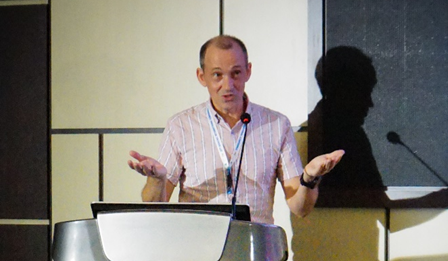
Practical applications formed the core of Professor Jeremy White’s discourse, showcasing solutions already implemented at Ritsumeikan University. He revealed how AI-generated avatar videos replaced rapidly declining YouTube content engagement, enabling consistent student learning and standardized material delivery across part-time instructors. He illustrated prompt engineering techniques for instantly generating quizzes, rubrics, and even essay evaluations, saving educators countless hours while maintaining academic rigor. In speaking classes, his students conduct AI-simulated job interviews using personalized CV data, building confidence in foreign language communication despite AI’s tendency toward overly positive feedback. He cautioned against uncritical adoption, sharing how AI hallucinations produced fictional bibliographies when prompts lacked precision. These real-world examples offered attendees transferable frameworks adaptable to diverse educational contexts. His evidence-based approach transformed abstract AI concepts into tangible teaching assets.
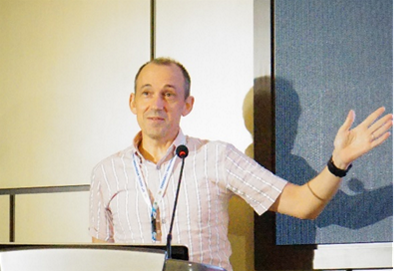
Ethical complexities dominated the latter segment of Professor Jeremy White’s presentation, addressing challenges UINSSC and partner institutions actively navigate. He highlighted students’ tendency to lose authentic academic voices through overreliance on AI, countering with handwritten summary requirements to verify comprehension. His signature “chocolate covered broccoli” metaphor captured AI’s paradoxical nature, “Innovation in education often feels unfamiliar at first, like sweet chocolate coating bitter broccoli. But when managed thoughtfully, it unlocks extraordinary potential for both teachers and learners.” This nuanced perspective positioned educators as guides rather than gatekeepers in the AI era. His solutions centered on continuous professional development and institutional investment in digital literacy.
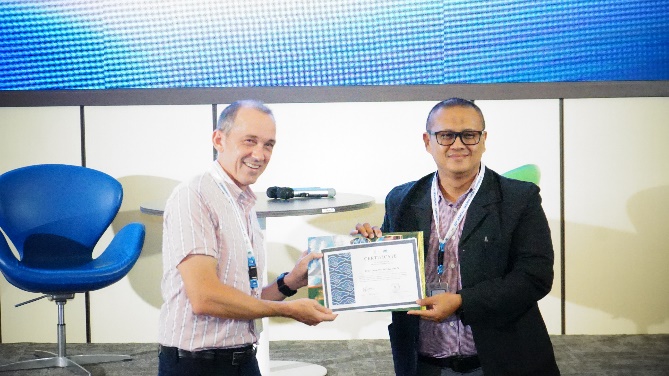
The conference venue hummed with intellectual energy as distinguished speakers including Prof. Dr. Andrew Lian, Ph.D. (President of AsiaCALL, Suranaree University of Technology, Thailand/University of Canberra, Australia – online), Assoc. Prof. Dr. Pham Vu Phi Ho (Vice President for Administrative Affairs and Publication, AsiaCALL/Industrial University of Ho Chi Minh City, Vietnam), Lala Bumela Sudimantara, Ph.D. (Director of International Office and Conference President, UINSSC, Indonesia), Ivo Dinasta Yanuar, S.S., M.Appling (Secretary of International Office, UINSSC), Ghina Amaliyah Sholihah, S.Sos (International Office Staff, UINSSC), Luqman Baehaqi, Ph.D. (UIN Palangka Raya, Indonesia - online), Wulan Rahmatunnisa, M.Pd. (Universitas Kuningan, Indonesia), Aries Endri Susanto, S.T., M.E., Eka Destarada Sesunan, S.E., and Nur’aeni, S.E., M.E. (Hakim Ventura International delegates), and many more. Student volunteers from the Global Engagement Team efficiently managed logistics, embodying the university’s operational excellence.
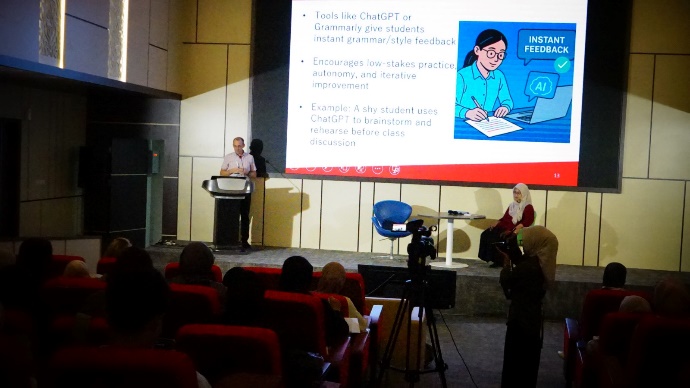
Reflecting on the day’s significance, Lala Bumela Sudimantara, Ph.D., President of AsiaCALL 2025 and Director of UINSSC’s International Office, observed: “Professor Jeremy White’s session crystallizes why Cirebon was chosen to host this conference, it demonstrates how tradition and technology can coexist to elevate human potential.” His remarks underscored UINSSC’s commitment to translating global discourse into local impact, particularly for Indonesian educators facing digital divides. This moment affirms UIN Siber Syekh Nurjati Cirebon’s emergence as a thought leader where Indonesian academic heritage meets frontier educational technology. The world now recognizes Cirebon as a birthplace of transformative pedagogical visions.
Author: Resa Diah Gayatri