
Building Bridges of Knowledge and Values: The International Office’s Holistic Approach to Transnational Education Through the UINSSC–ICCCM Mobility Initiative for Future Islamic Communication Leaders
Cirebon, October 16, 2025 – The International Office of UIN Siber Syekh Nurjati Cirebon (UINSSC) and the International Cultural Communication Center Malaysia (ICCCM) held a high-level strategic meeting to lay the groundwork for a groundbreaking International Mobility Program tailored for the Faculty of Dakwah and Islamic Communication (FDKI). This forward-looking initiative aims to foster deep academic, cultural, and professional exchange between Indonesian and Malaysian institutions, with UINSSC formally designated as co-organizer alongside ICCCM. The program is set to feature structured academic components including Focus Group Discussions (FGDs) and research presentations, all designed to be integrated with partner universities in Malaysia and relevant government ministries. Though details remain in development, the vision is clear: to cultivate a new generation of Islamic communication scholars equipped for transnational engagement, policy dialogue, and collaborative research in an increasingly interconnected world.
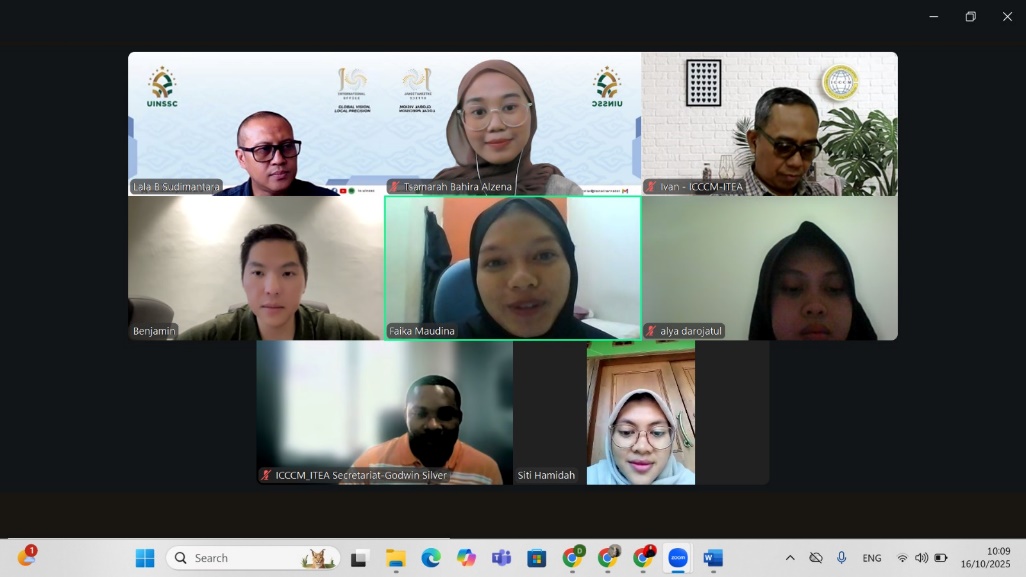
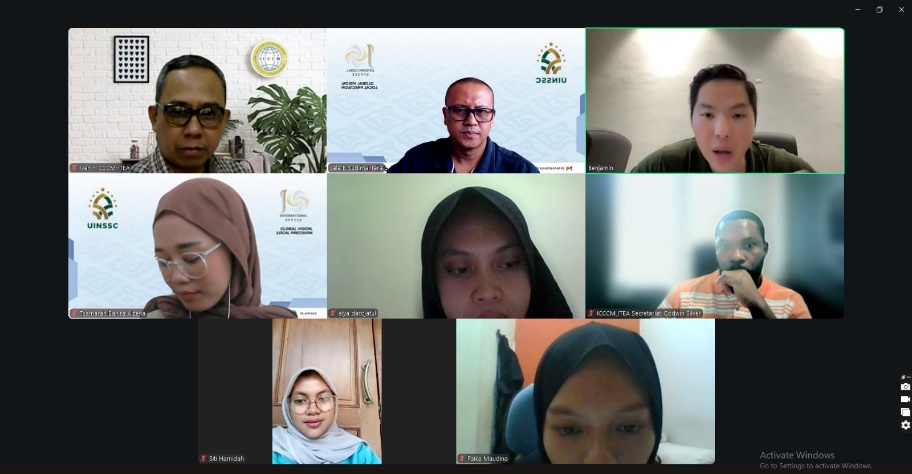
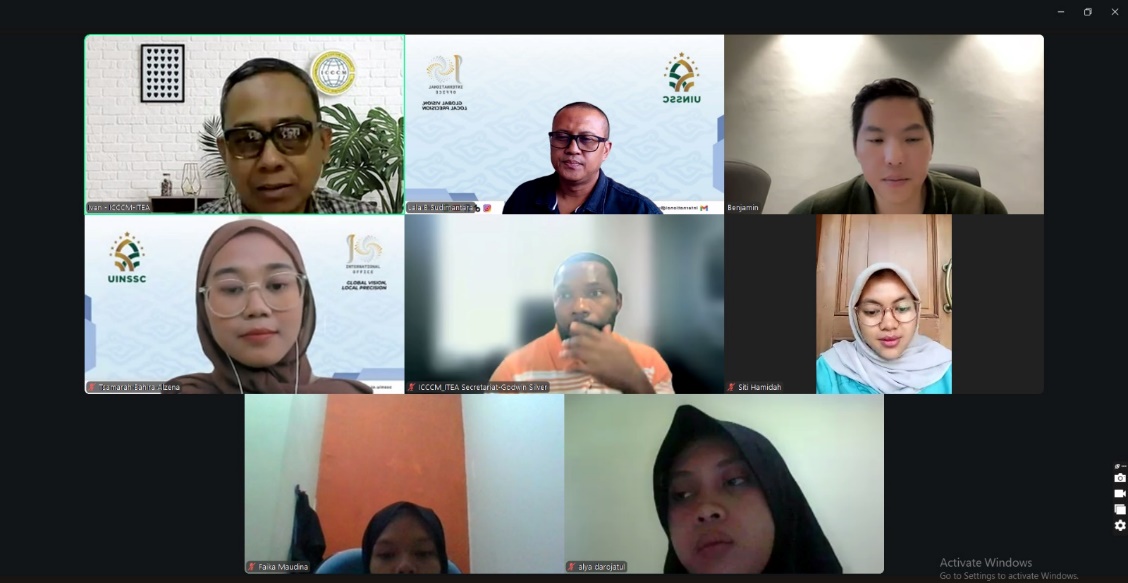
The meeting brought together key stakeholders committed to turning this vision into reality. Representing UINSSC was Mr. Lala Bumela Sudimantara, Ph.D., Director of the International Office, whose leadership continues to anchor the university’s global outreach. From ICCCM, the delegation included Mr. Benjamin Leong, Deputy Managing Director of the International Department, and Mr. Godwin Silver, Europe-Africa Region Manager, whose regional expertise underscores the program’s potential for future expansion beyond Southeast Asia. Mr. Ivan Chabibilah, Business Executive of ICCCM’s Indonesian Branch, provided critical coordination between local and international operations. On the academic side, Dr. Jaja Suteja, M.Pd.I., Deputy Dean II of FDKI, affirmed the faculty’s readiness to align curricula and learning outcomes with international standards, emphasizing that this mobility program would serve as a catalyst for innovation in Islamic communication pedagogy and research.
Notably, the planning process embraced a student-inclusive approach, with active participation from prospective mobility participants who also serve as interns at the International Office. Tsamarah Bahira Alzena, a member of the Global Engagement Team and participant in the upcoming mobility cohort, joined fellow International Office interns. Alya Darojatul, Siti Hamidah, and Faika Maudina joined the discussion to offer firsthand perspectives on student needs, cultural adaptation, and academic expectations. Their insights are instrumental in shaping support structures such as pre-departure training, mentorship pairings, and post-mobility reflection activities. By involving students at the design stage, UINSSC ensures the program remains grounded in real-world experiences while nurturing leadership, intercultural competence, and research awareness—core tenets of the university’s holistic mentorship philosophy. Their presence also underscores the institution’s belief that students are not just beneficiaries but co-creators of global learning ecosystems.
This initiative gains added momentum through its alignment with The International Transnational Education Association (ITEA), a global body dedicated to advancing collaboration among educational institutions, government agencies, and transnational education networks. As a co-organizer, UINSSC will leverage ITEA’s framework to ensure the program meets international quality benchmarks while remaining rooted in Islamic scholarly values. The team is also exploring how the program can contribute to UINSSC’s broader internationalization strategy, including its recently elevated Internal Quality Audit (AMI) status. Every element, from orientation modules to post-program impact assessment, is being designed with professionalism, cultural sensitivity, and academic integrity in mind. As Lala Bumela Sudimantara, Ph.D. emphasized during the meeting, “This program is about creating change-makers who can navigate global discourse while staying true to their Islamic intellectual heritage.”
The October 16 meeting thus marks not an endpoint, but a powerful beginning—a declaration of intent to position UINSSC as a regional leader in globally engaged Islamic studies. With strong institutional backing, student agency, and transnational partnerships taking shape, UIN Siber Syekh Nurjati Cirebon is poised to transform mobility from a logistical exercise into a transformative educational journey. In collaboration with ICCCM, this initiative promises to set a new standard for how Islamic universities engage with the world. Not by imitating global models, but by offering a distinct, values-driven contribution to transnational education. The road ahead is one of careful co-creation, but the destination is clear: a future where Cirebon-born scholars shape global conversations with wisdom, faith, and cross-cultural fluency.
Author: Resa Diah Gayatri