
Cross-Border Learning in Motion: UIN SSC and UPTM Malaysia Design a Transformative Internship and Cultural Exchange Program for Future Global Professionals
Cirebon, May 5, 2026—Lala Bumela Sudimantara, Ph.D., Director of the International Office of UIN Siber Syekh Nurjati Cirebon, held an online meeting with Ivan Chabibilah, S.S., M.Li. from the International Cultural Communication Center Malaysia (ICCCM) to discuss an upcoming international collaboration program. One of the key highlights of the discussion was the planned arrival of five students from Universiti Poly-Tech Malaysia (UPTM) to participate in an internship program at UIN SSC. This initiative reflects a growing effort to strengthen cross-border academic engagement. The program is designed to provide both academic and practical experiences for participating students. It also aims to foster intercultural understanding and professional development. From the beginning, the discussion reflected a shared commitment to creating meaningful learning opportunities.
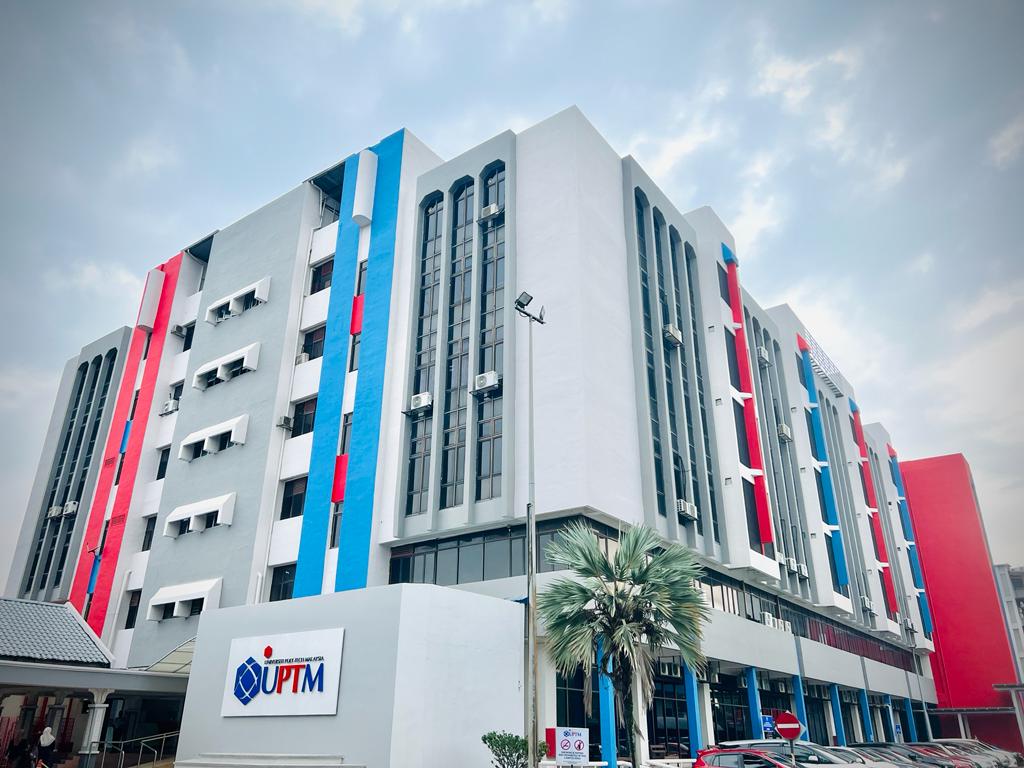
(Source: Official Website of Universiti Poly-Tech Malaysia)
During the meeting, Ivan Chabibilah S.S., M.Li. raised questions regarding the readiness of accommodation and itinerary arrangements for the incoming students. These logistical considerations were discussed as essential components of ensuring a smooth and supportive experience. The students, who come from an informatics major, are expected to engage in activities aligned with their academic field. This includes digital-based training and applied learning experiences. The conversation highlighted the importance of preparation in hosting international students. It also reflected a mutual understanding of the need for structured planning. This stage ensured that the program would be both organized and impactful.
As the discussion progressed, both parties agreed on the duration of the program. The internship will be conducted over a period of three months, with one and a half months spent physically at UIN SSC and the remaining time conducted through a hybrid system. This structure was designed to balance direct engagement and flexible learning. According to Lala Bumela Sudimantara, Ph.D., “A minimum duration of three months is important to build meaningful collaboration and ensure that students gain substantial experience.” This agreement reflected a shared commitment to quality rather than short-term engagement. It also demonstrated an understanding of how time influences learning outcomes. The structure aims to maximize both academic and cultural immersion.
Further discussion explored the design of activities that the UPTM students would undertake during their stay in Cirebon. Lala Bumela Sudimantara, Ph.D. proposed a combination of digital training, internship, and community service. Through these activities, students are expected to gain not only technical skills but also social awareness. He also suggested that participants would receive three international certificates upon completion of the program. This approach reflects a holistic learning model that integrates knowledge, skills, and experience. It also adds value to the students’ academic and professional profiles. The proposal demonstrated a strong commitment to meaningful program design.
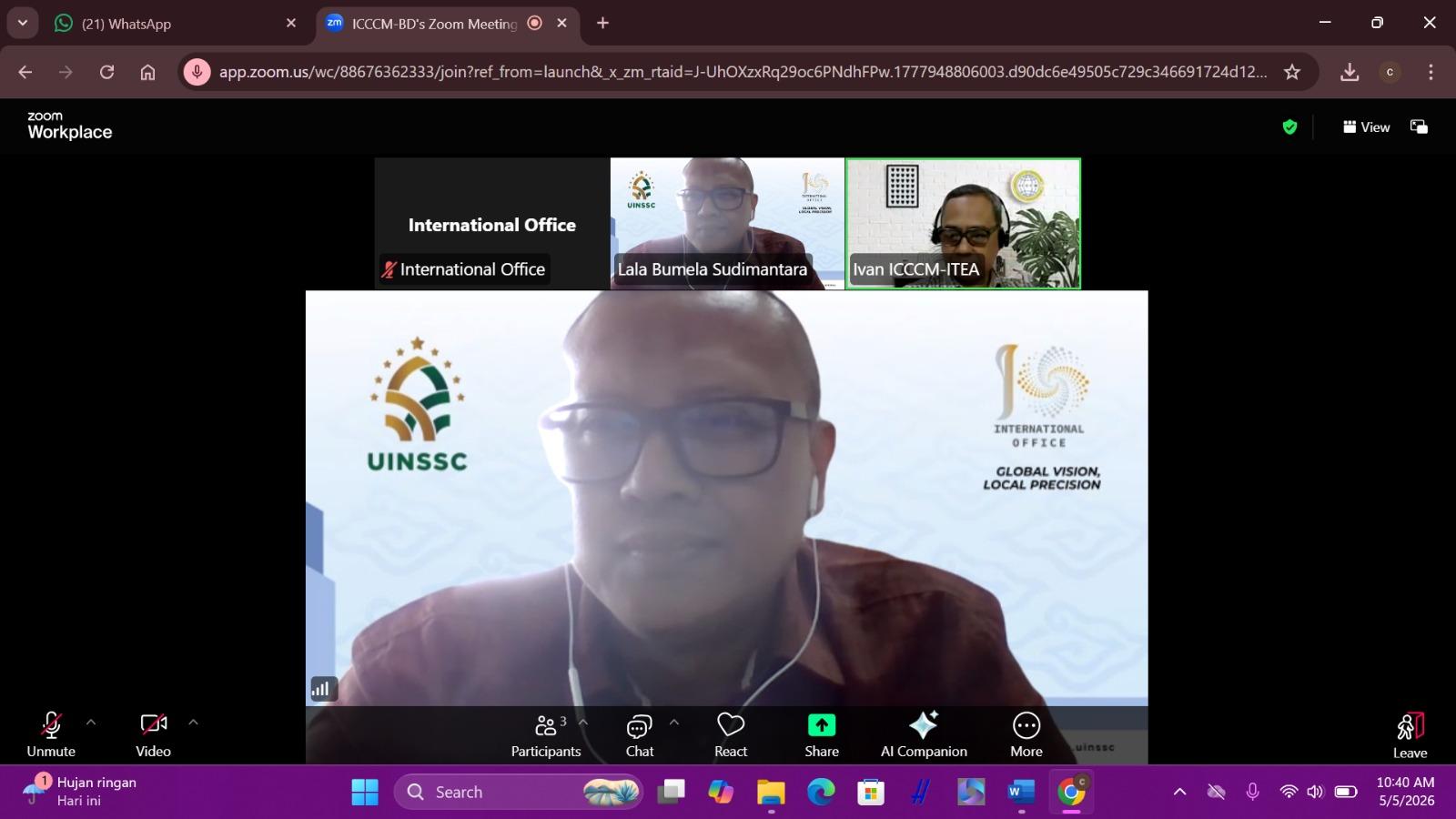
In addition to program structure, Ivan Chabibilah, S.S., M.Li. proposed that a formal Memorandum of Understanding (MoU) could be signed during the welcoming ceremony of the students. This proposal was not merely procedural, but positioned as a strategic step to formalize and sustain long-term institutional collaboration between UIN SSC and UPTM. Lala Bumela Sudimantara, Ph.D. responded positively, noting that the idea would be further discussed with faculty leadership to ensure alignment with institutional priorities and academic frameworks. The conversation then expanded into reflections on other international collaborations, allowing both of them to situate this initiative within a broader trajectory of global engagement. Ivan Chabibilah, S.S., M.Si. shared his experience working with the Sampoerna Foundation, particularly in facilitating mobility programs that connect institutions across borders. Meanwhile, Lala Bumela Sudimantara, Ph.D. reflected on his involvement with Global Tapestry of Alternatives (GTA), where collaboration is grounded in shared values and experiential learning through environment. These exchanges not only enriched the dialogue, but also demonstrated how past partnerships can inform more intentional, sustainable, and impactful collaboration moving forward.
In its closing moment, the meeting reaffirmed a shared vision of sustained international partnership. Both parties expressed their commitment to maintaining communication and continuously developing collaborative programs. Ivan Chabibilah S.S., M.Li. concluded with a reflective statement, saying, “Let us continue to update each other and keep strengthening our collaboration and synergy.” This statement captured the spirit of the discussion. It emphasized that collaboration is an ongoing process rather than a single event. The meeting ended with a sense of optimism and readiness for future steps. Ultimately, the initiative reflects a growing movement toward global, connected, and experience-based education.
Author: Salsabilla