
Cultivating Curiosity and Moderation: Ivan Chabibillah’s Framework for Wasathiyah and Interfaith Harmony at the International Seminar and Workshops 2025
Cirebon, December 3, 2025 — The International Office of UIN Siber Syekh Nurjati Cirebon successfully held the second day of the International Seminar and Workshops 2025 under the theme “Returning to the Circle: A Regenerative Pathway Beyond Technocratic Sustainable Development Goals.” During the first keynote session of the day, Ivan Chabibillah, M.Li from the International Cultural Communication Center Malaysia (ICCCM), delivered an engaging and energetic presentation on Wasathiyah—the concept of moderate Islamic perspective. Ivan opened his session by expressing his appreciation for the room’s energy, stating, “I can feel the atmosphere and the spirits from the audience transferring energy into me.” This remark set the tone for a highly interactive and immersive learning experience. The session was held at the International Office on the 5th floor of the Cyber Building, UIN Siber Syekh Nurjati Cirebon, and was attended by the Director of the International Office, Lala Bumela Sudimantara, Ph.D., along with the Global Engagement Team. Ivan’s presence immediately drew the audience in, establishing an environment that encouraged active participation and reflective thinking.
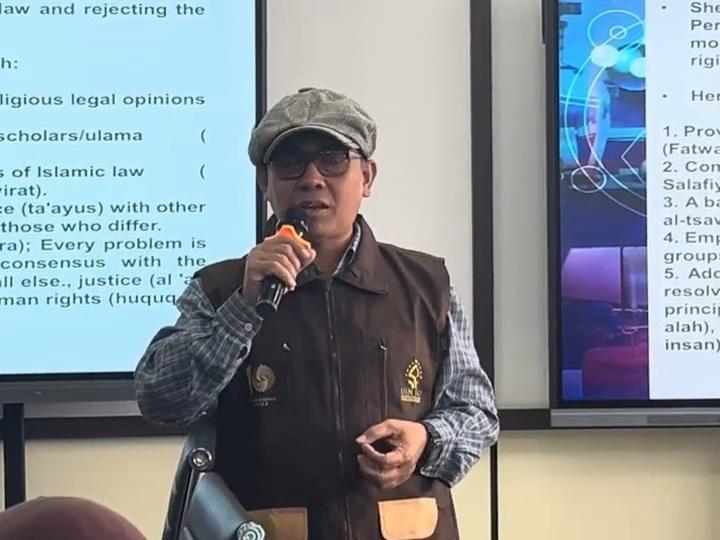
To cultivate curiosity, Ivan began by asking the audience a simple yet profound question: “What do you know about Wasathiyah?” The participants responded enthusiastically, offering interpretations based on their understanding. Ivan praised their answers and reminded them that curiosity building must always be encouraged, as it offers access to insights and understandings far greater than assumed. Returning to the main theme, he explained that Wasathiyah refers to a moderate perspective in understanding and practicing religion without leaning toward any extreme. This balance, he noted, is crucial in promoting harmony within increasingly diverse societies. He emphasized that moderation protects individuals from becoming rigid or intolerant, especially when engaging with differing viewpoints. The audience appeared highly receptive, nodding as he highlighted the relevance of moderation in contemporary interreligious encounters.
Ivan continued by warning against the tendency known as takriri, an ideology in which individuals believe that only their own opinions are correct while dismissing all others as wrong. This mindset, he explained, inevitably leads to judgmental behavior that harms social harmony and undermines efforts toward peaceful coexistence. To counter such tendencies, Ivan encouraged participants to learn how to accept changes that may not align with their expectations while still holding firmly to foundational principles. He described this process as a form of internal equilibrium, allowing one to remain grounded without becoming rigid. Ivan also introduced the participants to FKUB (Forum Kerukunan Umat Beragama), a platform designed to bridge extremist groups and facilitate constructive interfaith dialogue. He emphasized that systems like FKUB play a vital role in preventing polarization within plural societies. Through this framework, the values of Wasathiyah become not merely theoretical but actively practiced.
The core characteristics of Wasathiyah were then outlined in detail, giving participants a comprehensive understanding of its operational dimensions. Ivan described twelve key principles: prioritizing good news in preaching, adapting religious guidance to current needs, balancing permanent principles with those subject to change, emphasizing interfaith dialogue, and upholding deliberation that protects public interest (justice, freedom, and human rights). He also highlighted tawasuth (being in the middle), tawazun (avoiding excess), i‘tidal (straight and firm), tasamuh (tolerance), musawah (non-discrimination), ishlahl (reform), and tathawwur & ibtikar (being dynamic and innovative). These principles, he emphasized, form a holistic model that can guide communities toward sustainable peace and mutual respect. Ivan further explained that the absence of strong interfaith engagement often leads not to tolerance, but rather to the emergence of intolerance. Understanding these principles, he argued, requires practicing religion through appreciation and respect rather than through rigidity. Participants noted how these insights provided both clarity and practical relevance.
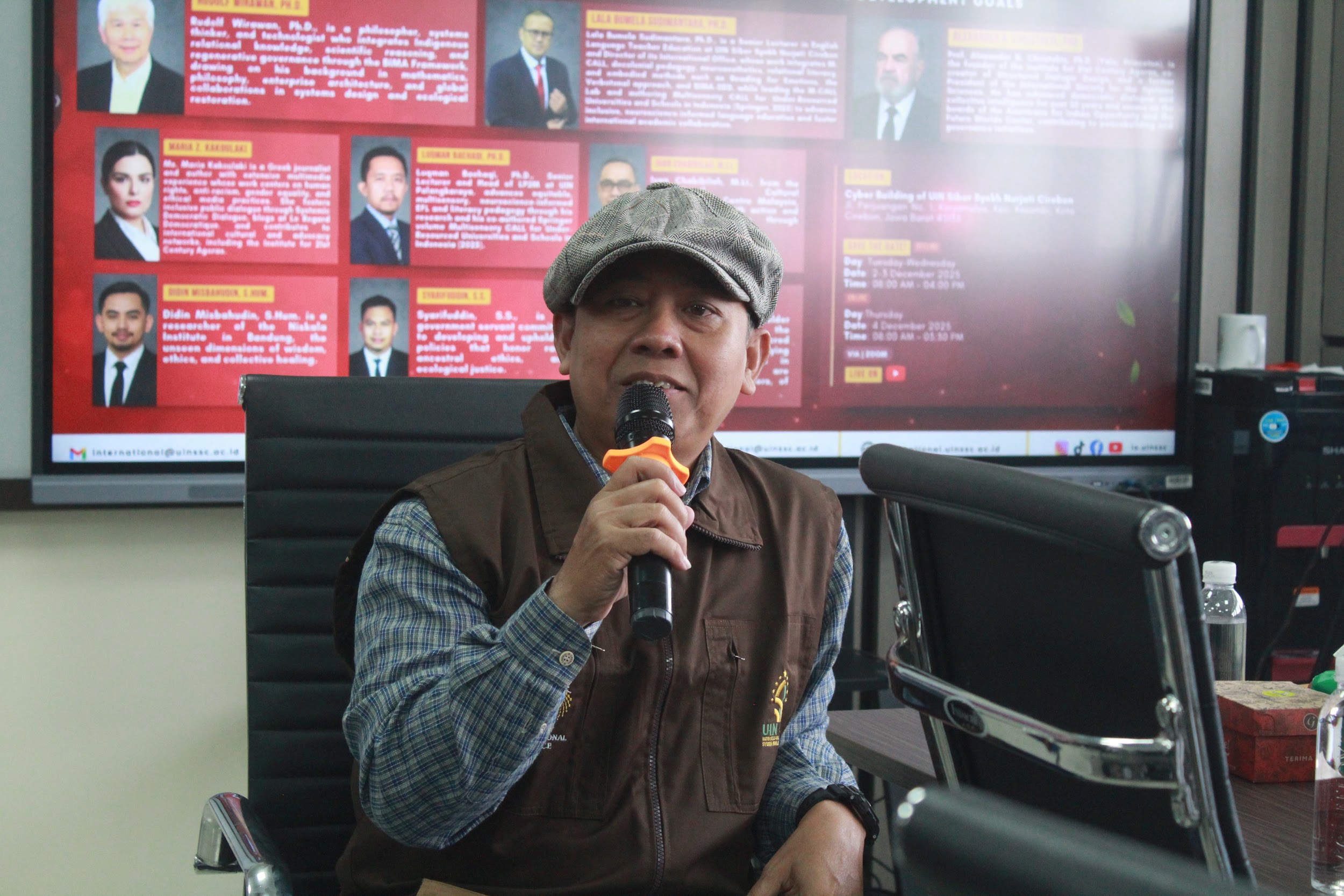
The discussion segment of the session was remarkably interactive, as Ivan encouraged the audience to analyze interfaith phenomena critically and empathetically. He divided participants into three groups and assigned each a different video clip depicting positive and negative religious interactions. The task required groups to articulate their perspectives on the videos, prompting deep conversation and reflection on real-world examples of coexistence and conflict. This method not only stimulated active engagement but also cultivated analytical thinking among students. Additionally, Ivan integrated mnemonic techniques to help the audience easily recall the core values of Wasathiyah. This approach added an element of creativity, making the learning process both enjoyable and memorable. The room grew increasingly lively as participants exchanged interpretations and insights.
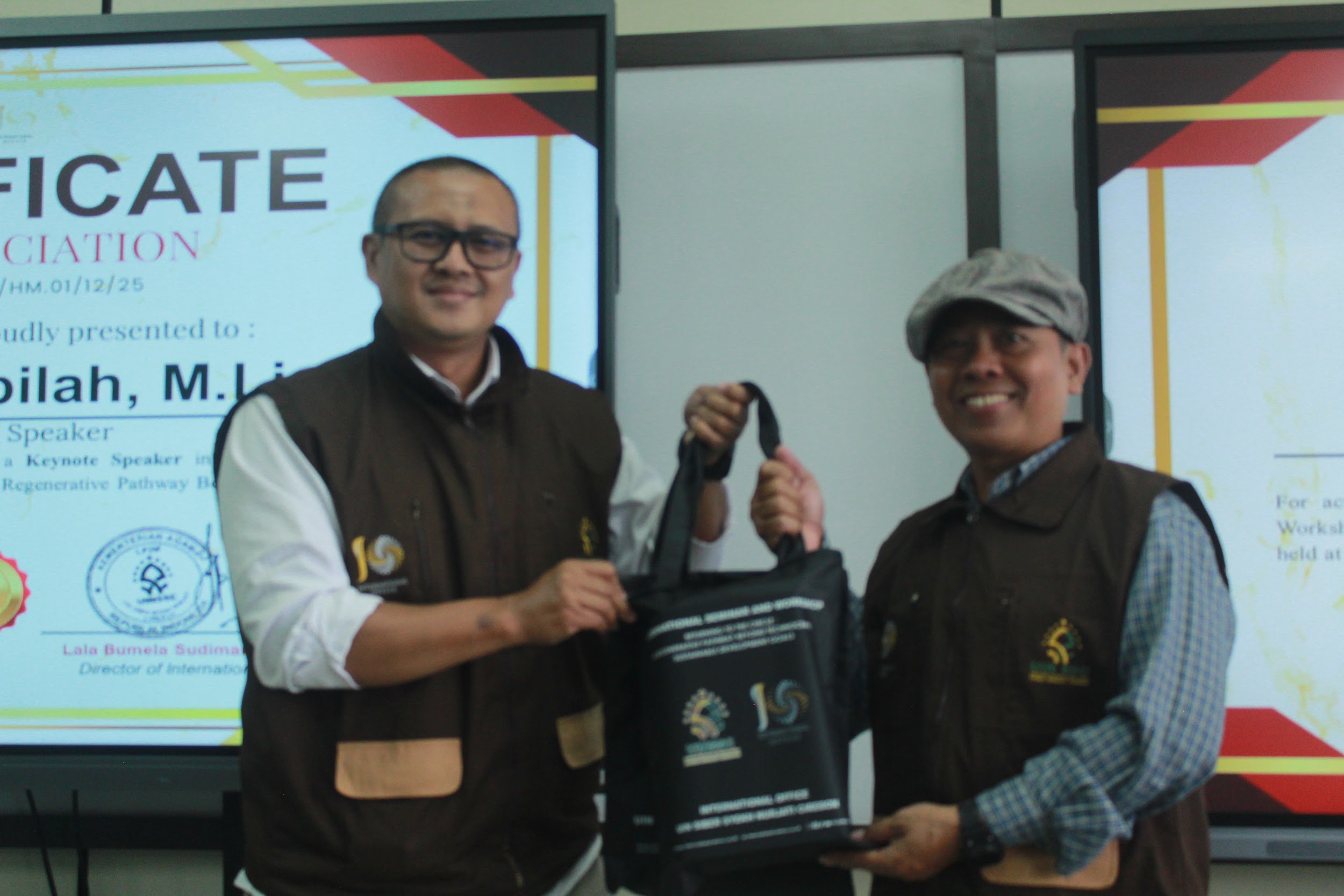
The session concluded with a passionate Q&A, with students eagerly raising questions and sharing reflections on moderation, interfaith relations, and the challenges faced by younger generations in practicing Wasathiyah. The enthusiastic atmosphere demonstrated how Ivan’s approach successfully sparked intellectual curiosity and emotional resonance among participants. Before closing, Ivan presented a final reflection on his slide—one that encapsulated the essence of his entire message. He reminded everyone, “Be religious, don’t be extreme! The most beloved religion to Allah is one that is firm but tolerant.” This closing remark left a deep impression, reinforcing the importance of moderation as both a spiritual and social imperative. The keynote session ultimately enriched the second day of the seminar, adding meaningful depth to the larger theme of returning to regenerative, balanced, and humane pathways beyond technocratic frameworks.
Author: Salsabilla