
Cultivating Undergraduate Research Capacity Through Systematic Literature Review Training: A Mentorship Initiative by the International Office of UIN Siber Syekh Nurjati Cirebon to Advance Student Engagement in Scholarly Writing and Academic Publication
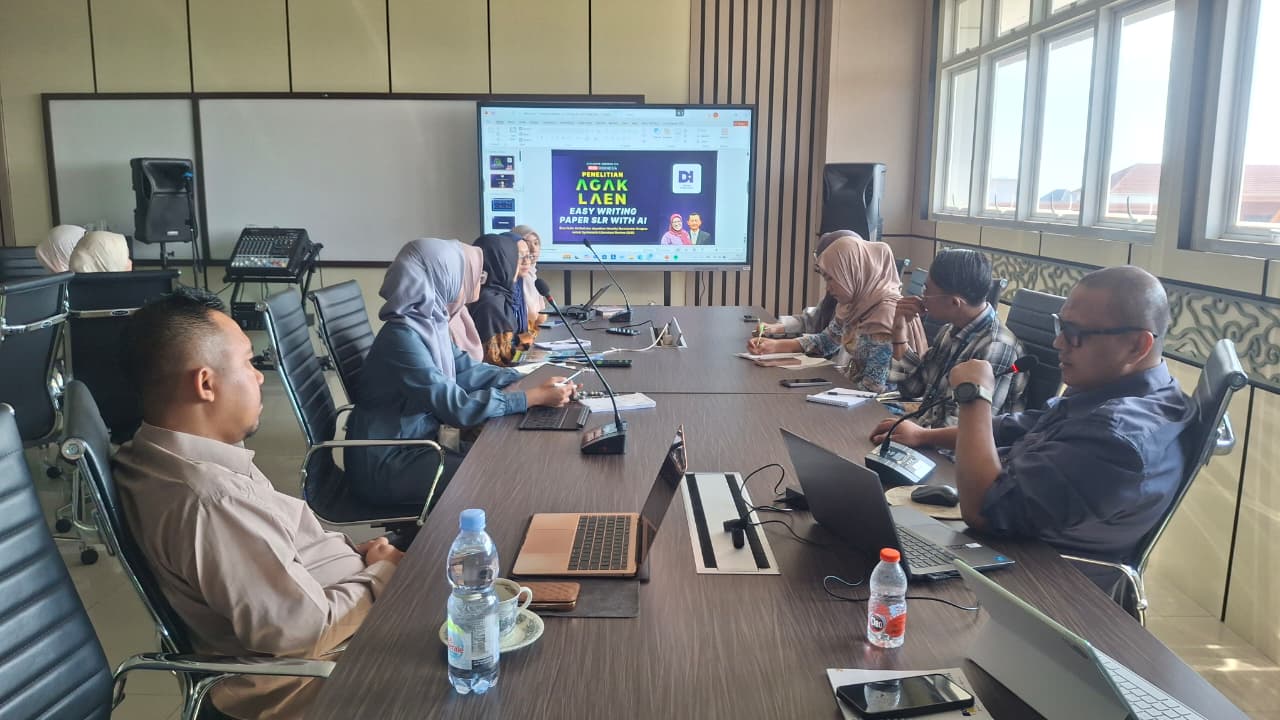
Cirebon, September 2, 2025 – The International Office of UIN Siber Syekh Nurjati Cirebon organized a focused workshop on Systematic Literature Review (SLR) as a strategic method for strengthening academic writing and research capacity. The event was initiated by Lala Bumela Sudimantara, Ph.D., and specifically designed for undergraduate students affiliated with the International Office. These students, who typically engage in administrative and operational tasks, were given a dedicated academic space to develop higher-level research competencies. The workshop aimed to transform their role from passive support to active contributors in scholarly discourse. It emphasized that SLR is not reserved for senior academics but is an accessible tool for students to build strong foundations for theses and publications. The session marked a significant step in creating a culture of intellectual growth within the office. This initiative reflects a commitment to nurturing the next generation of Indonesian scholars through structured mentorship.
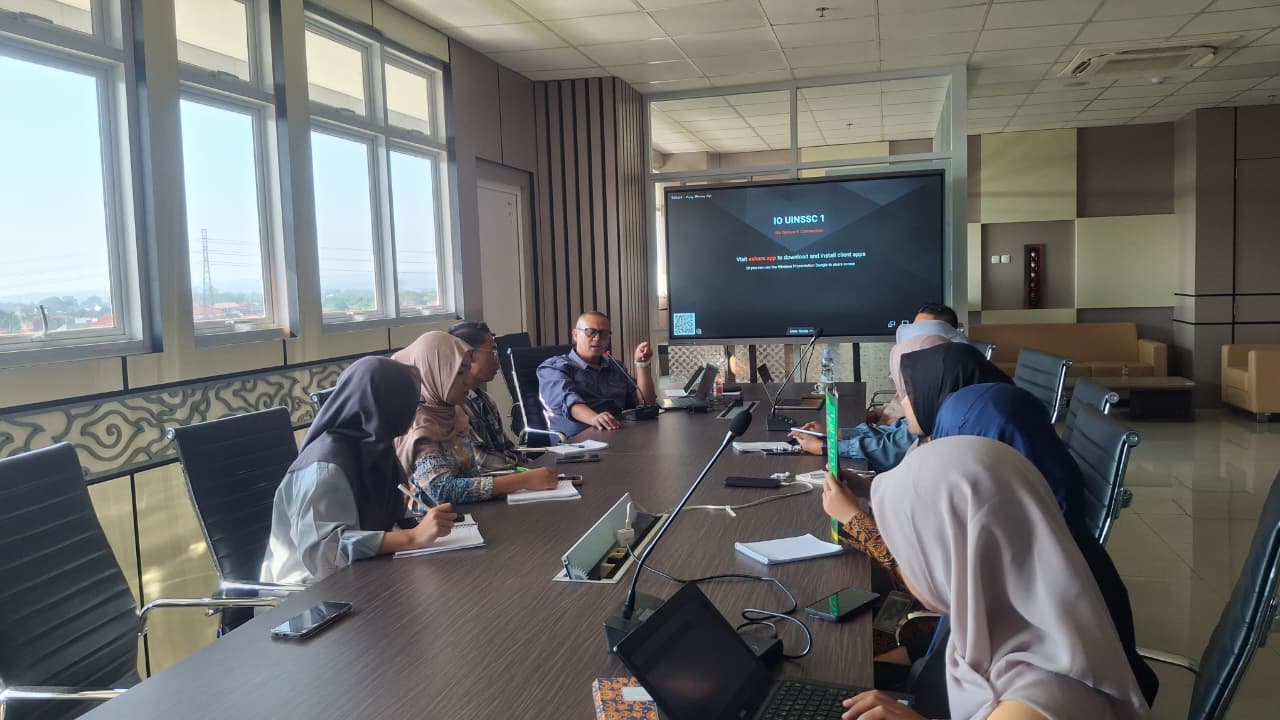
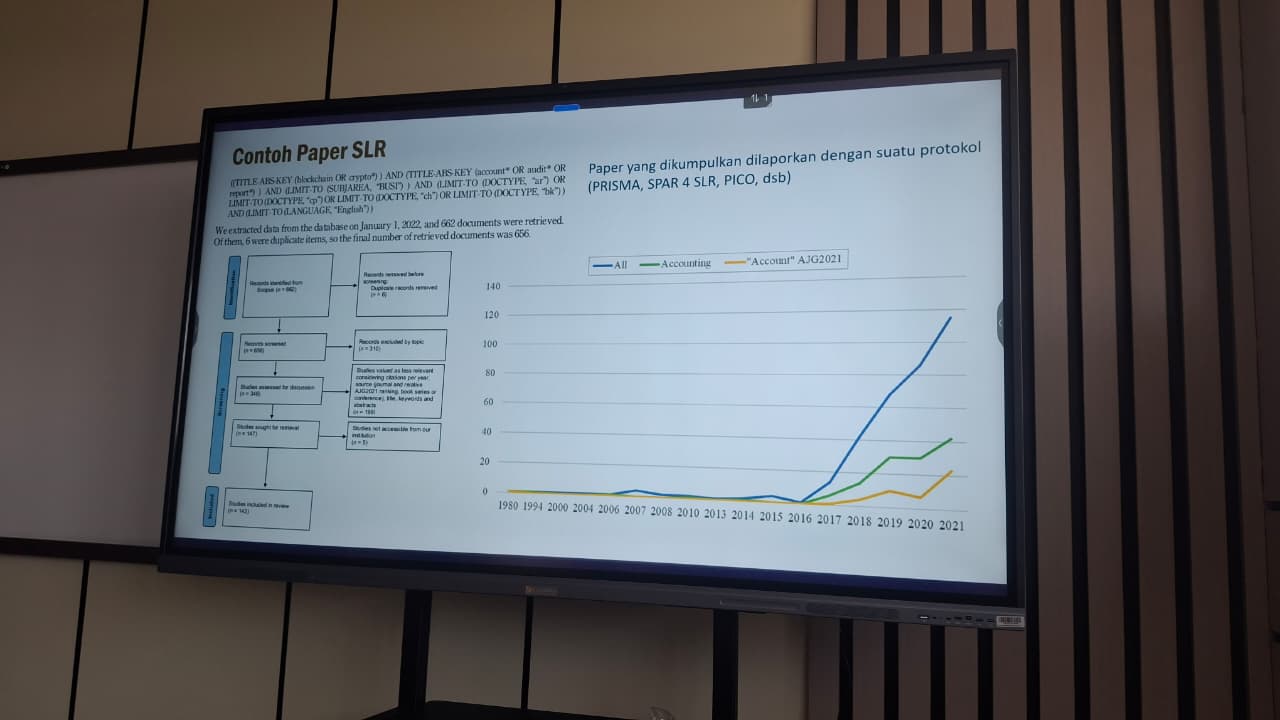
The workshop featured Luqman Baehaqi, Ph.D. from UIN Palangka Raya as the keynote speaker, whose expertise in research methodology and publication strategies provided a clear and practical roadmap for participants. He began by defining SLR as a rigorous, transparent process of synthesizing existing research on a specific topic, distinct from traditional narrative reviews. Unlike conventional literature reviews that may rely on fewer than 20 sources, SLR systematically analyzes hundreds or even thousands of studies using structured protocols. He introduced the PRISMA framework as a widely accepted method for ensuring clarity and replicability in the review process. This step-by-step demonstration helped demystify the process and showed how large volumes of data can be managed efficiently. The approach empowers students to conduct high-quality research even with limited prior experience. “With SLR, we can sort and group studies, then examine only those we consider truly relevant. So we remain inclusive, but with clear criteria, selecting only what is most pertinent and aligned with our research objectives,” he said.
A key message of the session was that SLR serves as both a research method and a powerful learning tool for academic development. Luqman Baehaqi, Ph.D. emphasized that SLR allows students to identify research gaps, understand scholarly trends, and position their own work within global academic conversations. He shared that SLR projects at UIN Palangka Raya have led to student co-authorship in journals like JEFL, which is currently ranked Sinta 2 with aspirations for Scopus accreditation. Participants learned how to conduct comprehensive searches across major databases such as EBSCO, ScienceDirect, SpringerLink, Scopus, and Google Scholar. The workshop positioned SLR as a practical and scalable pathway for students to contribute meaningfully to knowledge production.
The session also addressed the importance of critical engagement over passive summarization in academic writing. Students were taught to organize findings thematically, synthesize diverse perspectives, and analyze how research questions are answered across studies. Luqman Baehaqi, Ph.D. stressed the value of citing foundational works, even those beyond the 10-year limit, to ensure depth and historical continuity in their arguments. While AI tools can assist in identifying and analyzing articles, he cautioned against overreliance, noting that true understanding comes from reading and internalizing the material. One effective strategy introduced was benchmarking, where students study high-quality SLR articles as models for structure, language, and argumentation. By analyzing sentence-by-sentence how authors introduce topics, present evidence, and draw conclusions, students gain a concrete understanding of academic writing conventions. This method is especially valuable for those still developing their writing skills.
This initiative reflects a growing effort by the International Office to provide students with more than just administrative experience. Lala Bumela Sudimantara, Ph.D. emphasized that the office is not only a hub for international collaboration but also a learning community where students are mentored in research, writing, and digital scholarship. The goal is to equip them with skills that are relevant for their theses, future careers, and potential publications. By integrating SLR into their academic journey, students are being prepared to become active creators of knowledge rather than passive consumers. The workshop encouraged participants to begin drafting their own SLR outlines and to engage in peer feedback and collaborative writing. This approach fosters a culture of shared learning and collective growth. It also aligns with broader efforts to elevate the quality of academic output at the university level.
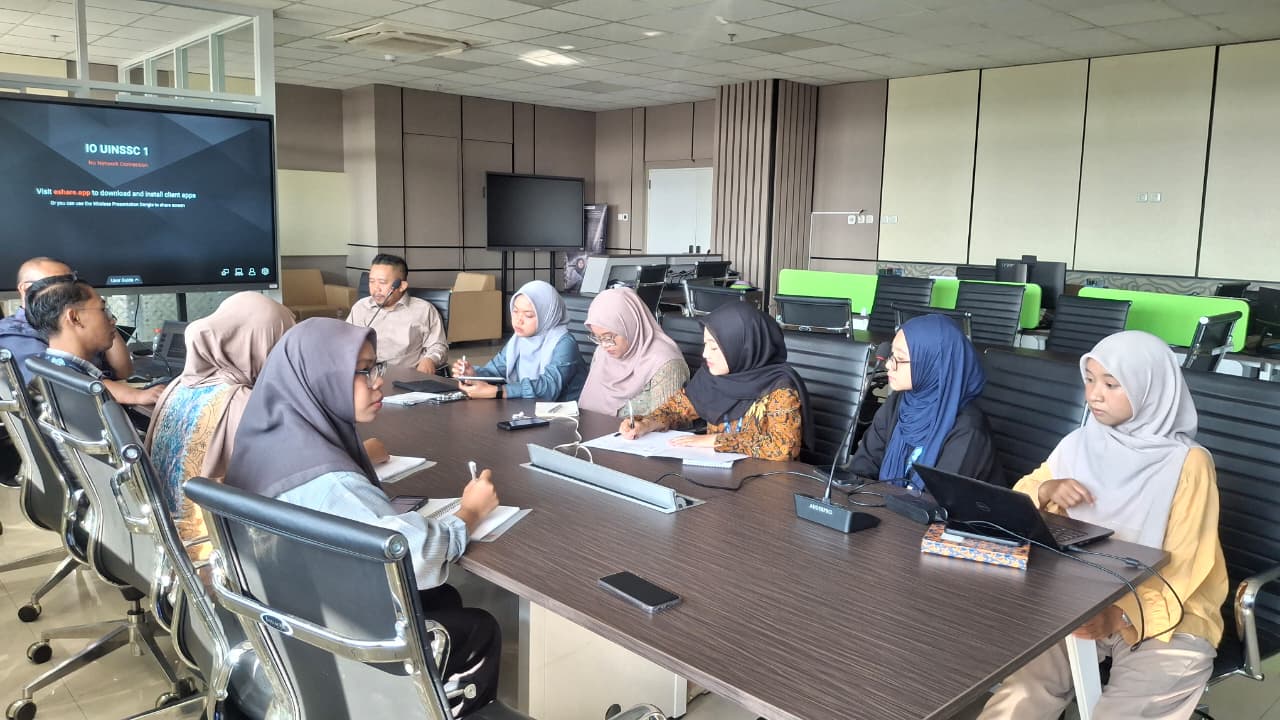
One of the most impactful moments came when Luqman Baehaqi, Ph.D. reminded participants that writing a literature review is not a burden but an opportunity to deeply engage with a field. The workshop concluded with a call to action: to move from merely supporting research to conducting and publishing it. With increasing access to digital tools and international databases, the ability to perform systematic reviews has never been more attainable. As the International Office continues to facilitate such capacity-building initiatives, it reinforces its role as a nurturing ground for young scholars. The event was about transformation, turning potential into practice. This marks a promising direction for student development at UIN Siber Syekh Nurjati Cirebon.
Author: Resa Diah Gayatri