
Designing Structure, Vision, and Impact: Strategic Preparations for the Global Engagement Team’s Capacity Building Seminar and Workshop
Cirebon, November 27, 2025 — Lala Bumela Sudimantara, Ph.D., Director of the International Office of UIN Siber Syekh Nurjati Cirebon (UIN SSC), led a strategic coordination meeting to prepare for the 2025 International Seminar & Workshop titled “Innovative Global Collaboration through International Engagement.” The event, scheduled for the first week of December, also serves as a capacity-building program for the Global Engagement Team (GET), who will participate not only as attendees but also as the organizing unit responsible for executing the event. This meeting was held on the 5th floor of the Cyber Building, UIN SSC, and attended by several GET members who actively contributed their thoughts, marking this session as the starting point of structured planning. Because the event will unfold across several sessions, Lala Bumela, Ph.D. identified task distribution as a core requirement to ensure smooth execution. The meeting aimed to calibrate goals, establish aligned procedures, and anticipate expected intellectual outcomes. Discussions also included early identification of risks to prevent technical obstacles during implementation. Every point raised was reviewed carefully to ensure accuracy and comprehension. The atmosphere throughout the meeting remained dynamic, respectful, and highly participatory, with each member bringing considerations forward openly. This opening session set a tone of seriousness and commitment, forming a confident beginning to the entire planning cycle.
During the discussion, Lala Bumela, Ph.D. emphasized that, “The capacity building initiative is designed not merely as a formal event, but as a structured space to elevate professional and intellectual competencies.” He highlighted the necessity of designing sessions that stimulate critical reflection and encourage participants to ask meaningful questions. Rather than receiving information passively, all of the Global Engagement Team members are expected to engage actively and collaboratively. This approach positions the event not only as a platform for knowledge delivery, but as a process of shared construction of understanding. Both conceptual and technical components of the program were assessed to nurture deep, sustainable learning. Suggestions voiced during the meeting will be further refined into structured decision points in subsequent sessions. This directional clarity strengthens the foundation for planning and ensures that the program evolves with focus and purpose. With this guiding principle, the event aims to create educational impact rather than temporary engagement.
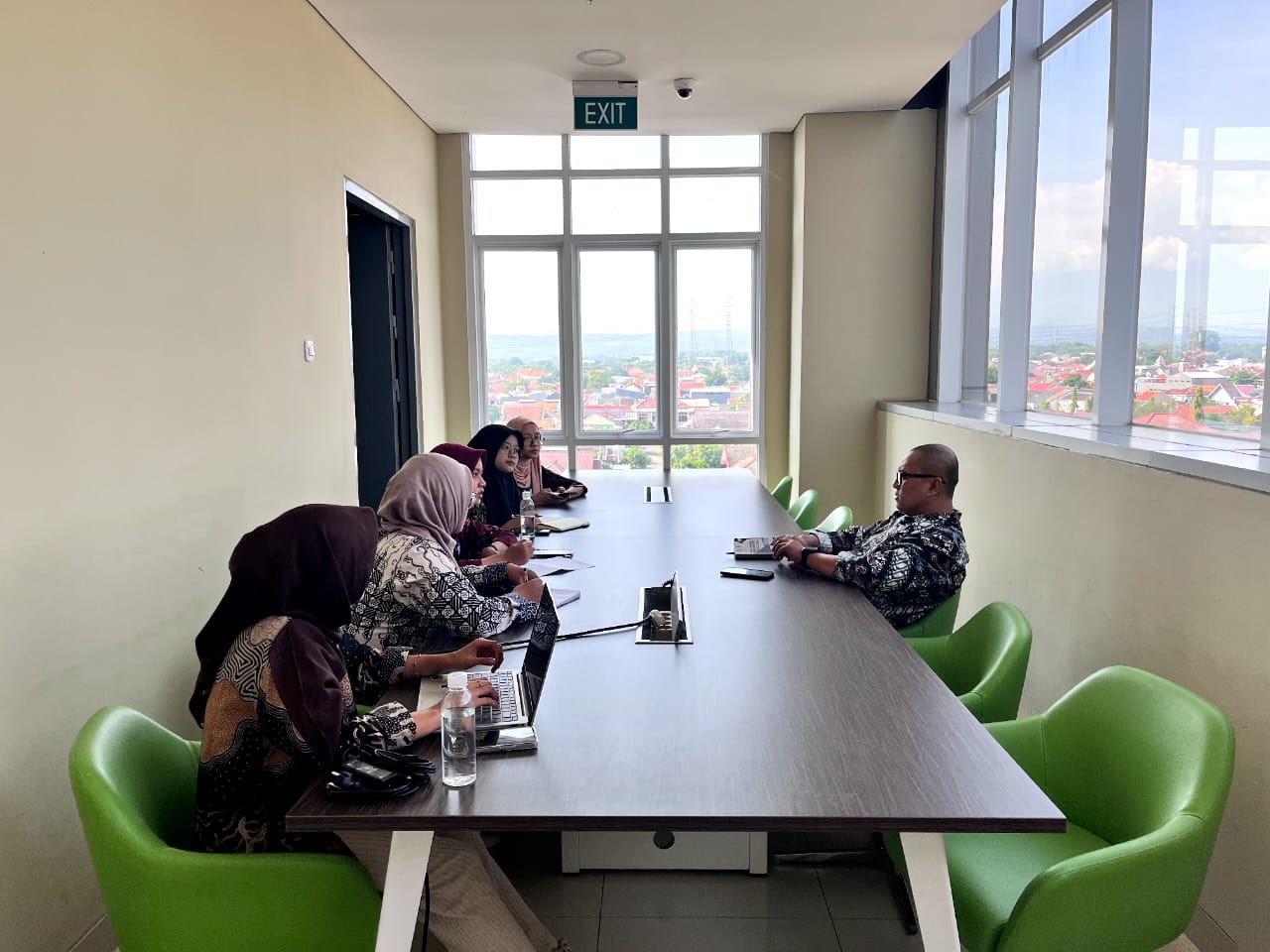
As conceptual structuring continued, Lala Bumela, Ph.D. reiterated the importance of dialogue-oriented sessions rather than linear, one–directional presentations. Participants are expected to question, respond, and generate interpretive tension that leads to richer insights. The meeting stressed the importance of documentation, not just as record keeping, but as intellectual preservation. Post-event reports should articulate breakthroughs, conceptual patterns, and theoretical implications rather than merely summarize activities. Through structured recording, knowledge produced during discussions can be referenced, revisited, and expanded upon long after the event ends. This standard reinforces the vision of the program as an academic investment rather than a singular occurrence. With such emphasis, the event aspires to produce learning outcomes with longevity and growing academic relevance.
Parallel to conceptual planning, logistical and technical arrangements were examined with great attention to detail to ensure maximum readiness. The team evaluated venue needs, equipment availability, seating structure, and time coordination for each agenda block. Comfort and accommodation for speakers were identified as priorities to maintain professionalism and ensure smooth progression of sessions. The documentation team was recognized as a crucial component in capturing powerful statements, intellectual arguments, and shifts in understanding that emerge throughout the event. Punctuality was underlined as a shared responsibility that safeguards session rhythm and learning momentum. Even small delays, it was noted, may disrupt cognitive flow and weaken the reflective environment. To prevent this, members collectively committed to strict adherence to scheduled timing. Such preparation demonstrates the team's intent to produce a disciplined, well–orchestrated event.
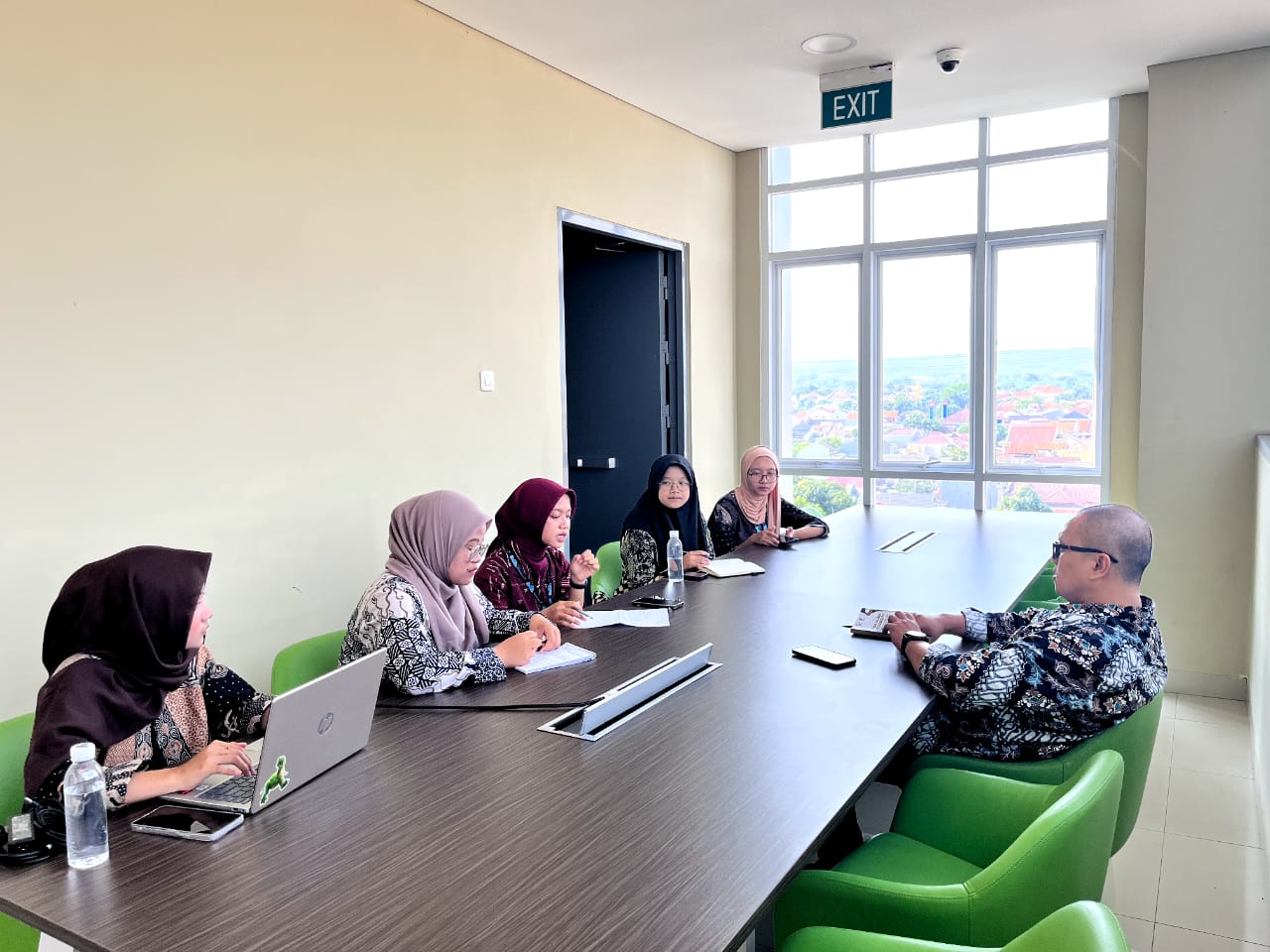
The meeting continued with planning for the next working phases, which will refine structural frameworks and complete essential components. Outcomes from future meetings will be synthesized and transformed into a knowledge brief, serving as a reference document for the conceptual backbone of the program. Alongside this, the workshop structure began to take clearer shape — particularly in the arrangement of interactive dialogue, participant engagement style, and framing mechanisms for idea synthesis. The workshop is envisioned as the culminating space where knowledge does not stop at theoretical formulation but extends into practical interpretation. This sequence of preparation illustrates a cohesive direction rather than isolated planning segments. Through this continuity, the event takes form not only as a schedule but as a thoughtfully engineered intellectual experience.
The meeting concluded with a collective expression of optimism and intention. The GET members were asked to recheck materials, tools, pending needs, and conceptual elements before entering the finalization stage. The group acknowledged that precision in preparation will strongly determine both execution quality and intellectual impact. The session strengthened internal coordination, clarified duties, and energized members with renewed motivation. Everyone left with clear follow-up assignments and a sense of shared responsibility. With this established momentum, the capacity building program is expected to proceed meaningfully, offering constructive knowledge exchange and collaborative growth. The planning session stands as more than a meeting, it represents the first building block of a carefully designed intellectual journey.
Author: Salsabilla