
Expanding International Employability Pathways for Indonesian Students: Lala Bumela, Ph.D. Advances International Office UIN Siber Syekh Nurjati Cirebon through Strategic Gig Academic Collaboration
Cirebon, February 13, 2026– Driven by a strategic vision to align higher education with evolving global labor ecosystems, Lala Bumela Sudimantara, Ph.D., Director of the International Office at UIN Siber Syekh Nurjati Cirebon, advanced a structured Gig Academic collaboration aimed at expanding international employability pathways for Indonesian students. This initiative reflects the university’s proactive response to shifts in global employment patterns, where digital competence, verified skills, and international exposure increasingly define graduate success. Rather than positioning employability as a post-graduation concern, the International Office frames it as an integral component of the academic journey. Emphasizing this institutional stance, Lala Bumela Sudimantara, Ph.D. stated,“Universities must consciously design systems that allow students to translate learning into globally recognized competence while they are still within the academic ecosystem.”
Despite growing access to higher education, many students encounter persistent structural limitations when transitioning from campus to global professional environments. Conventional employability pathways often rely on domestic labor markets, unverified credentials, and limited exposure to international standards of work. In parallel, global industries increasingly prioritize demonstrable skills, adaptability, and digitally mediated work experience over formal qualifications alone. This mismatch creates a critical tension for universities: while academic knowledge continues to expand, students frequently lack credible mechanisms to showcase their competencies in ways that resonate with global employers and digital platforms.
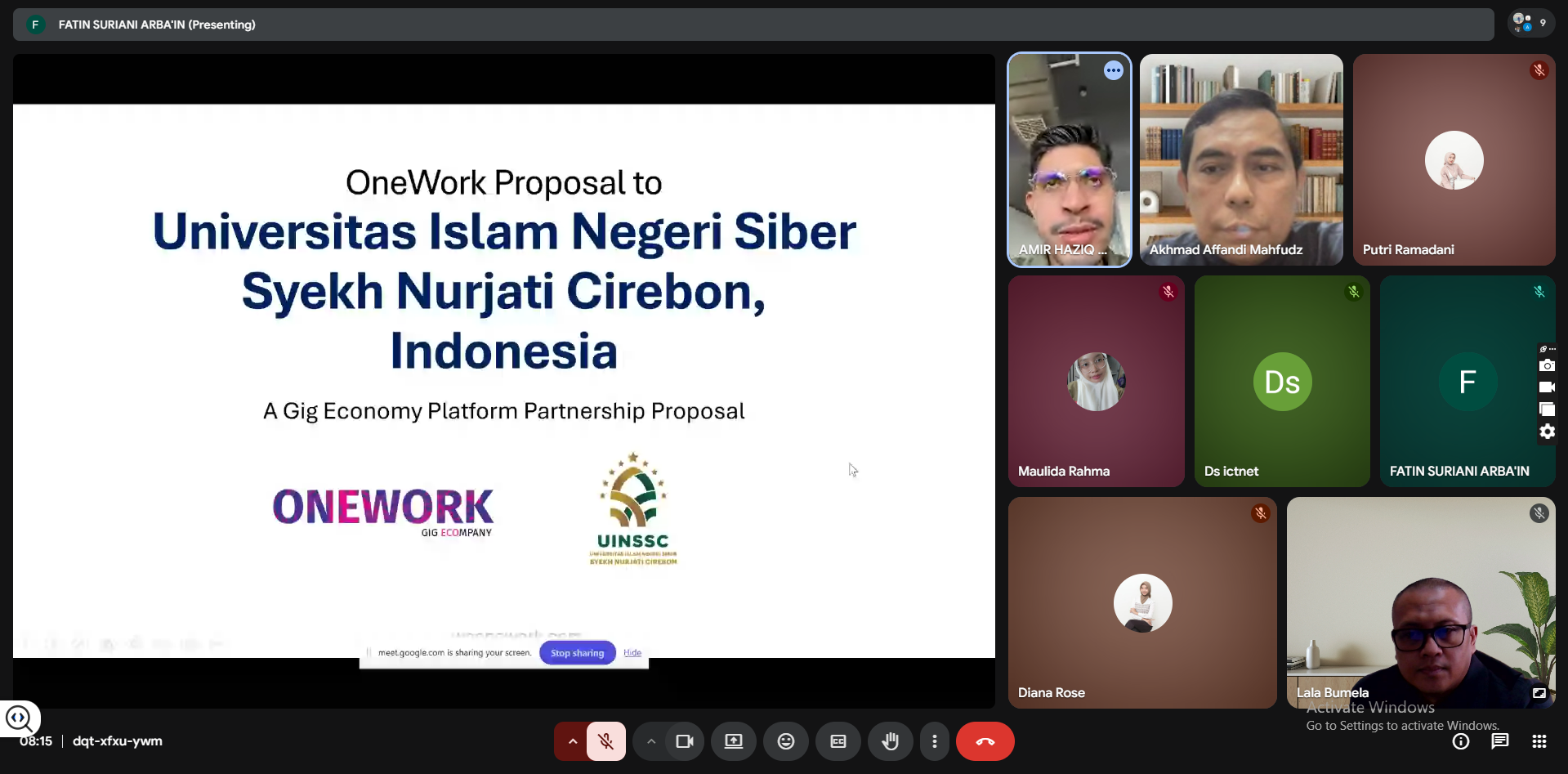
Responding to this challenge, the International Office initiated in-depth institutional dialogue surrounding the adoption of a Gig Academic Platform model through WeOneWork, which bridges higher education and global industry participation. The discussions focused on key mechanisms such as AI-based skill testing, blockchain-backed certification, assisted job bidding, and structured access to remote international internships. These components were examined not merely as technical features, but as instruments of academic credibility and global trust. Reflecting on the strategic value of this model, Lala Bumela Sudimantara, Ph.D. explained,“Global employability requires more than opportunity; it requires verification, transparency, and academic alignment so that skills are trusted beyond institutional and national borders.”
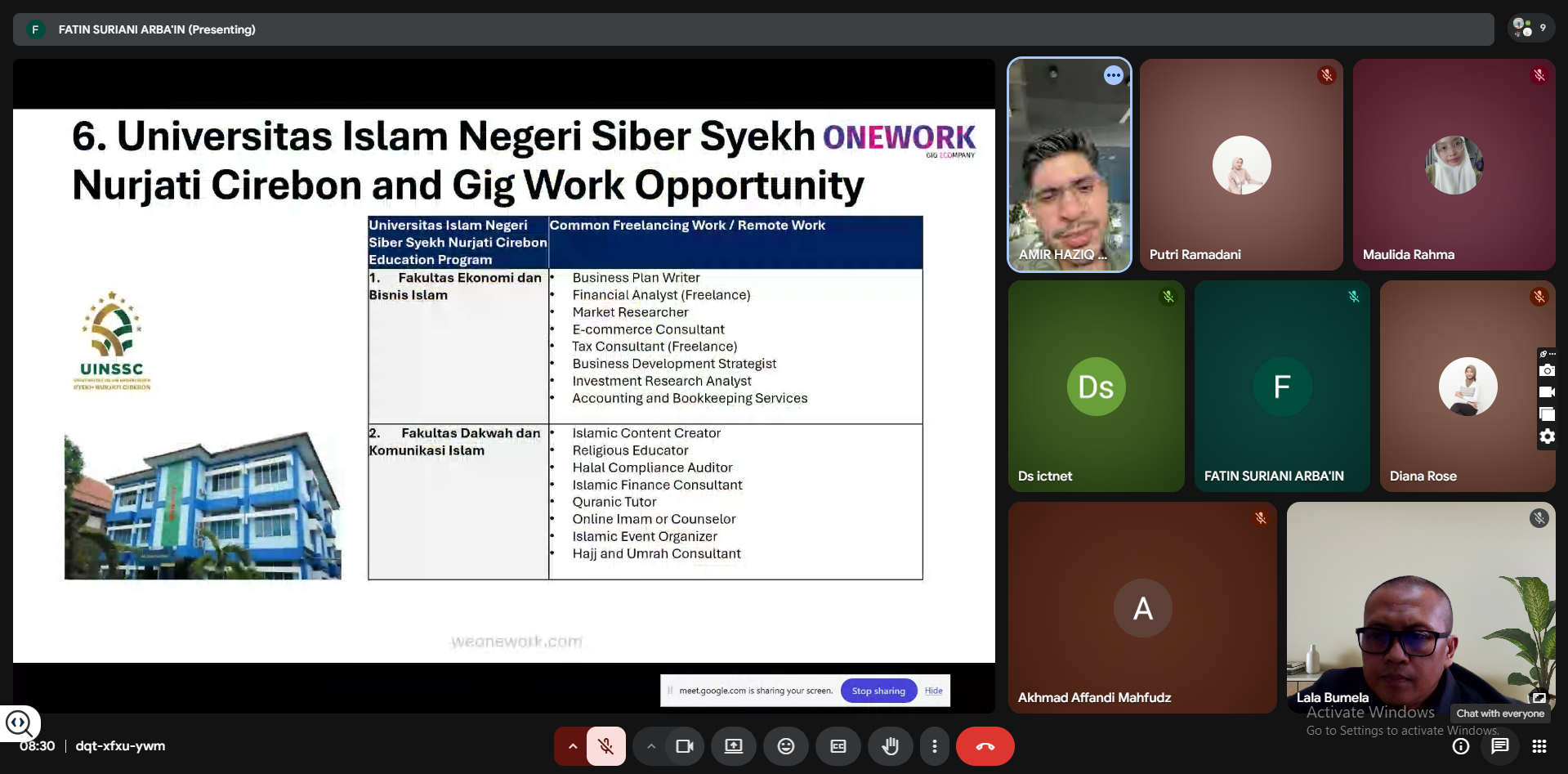
Within this collaborative framework, students are offered access to a comprehensive ecosystem that integrates academic learning with real-world professional engagement. Opportunities include participation in global freelance projects with flexible working arrangements, AI-driven competency assessments linked to international benchmarks, and remote internship placements with multinational organizations. The model also incorporates relevance assessment to ensure that students’ selected professional pathways align with their academic disciplines. Through this process, students cultivate essential capacities such as digital literacy, analytical problem-solving, professional communication, self-management, and accountability within global work environments. Importantly, these experiences are designed to complement, rather than replace, academic learning outcomes.
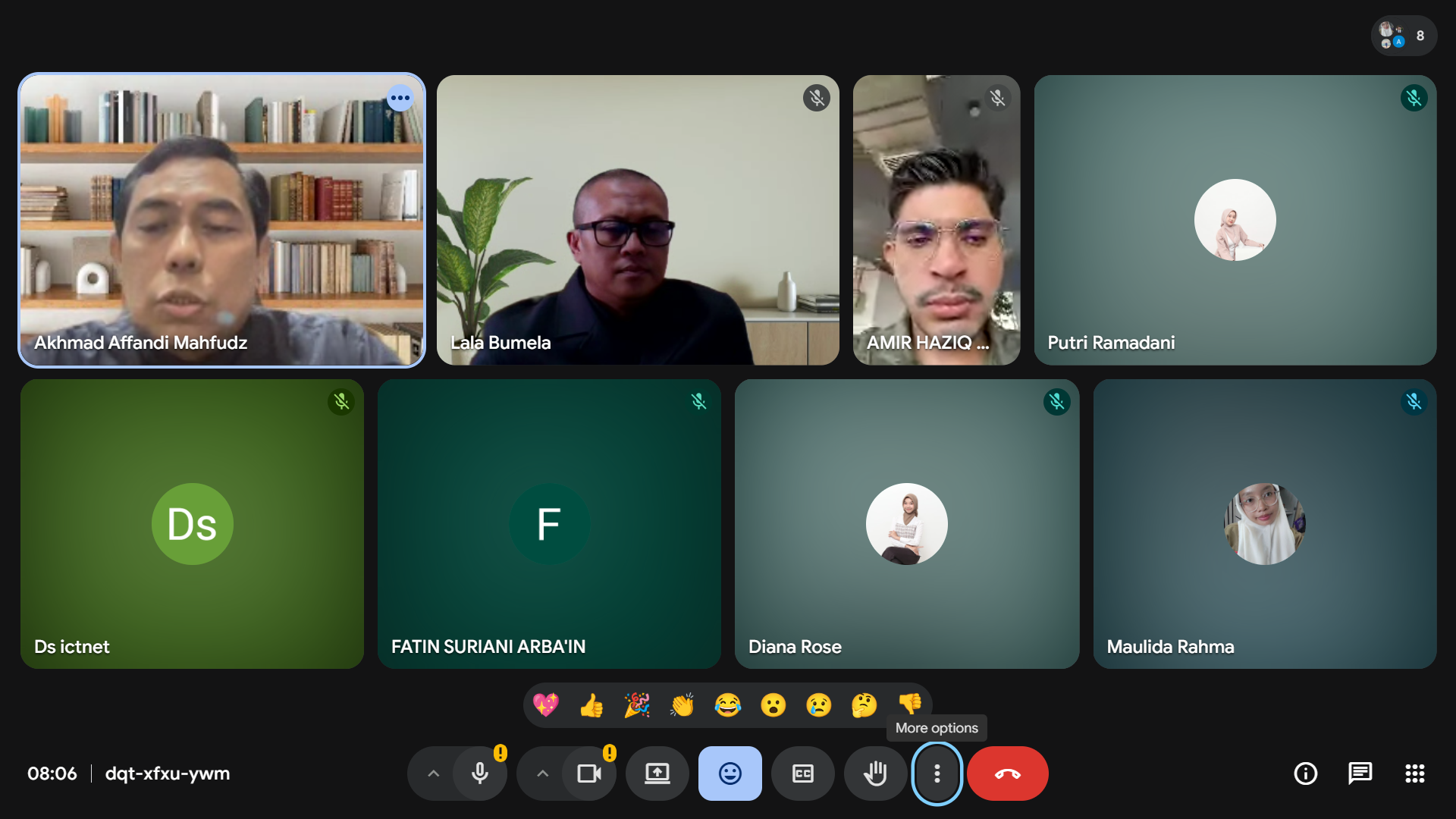
For UIN Siber Syekh Nurjati Cirebon, this collaboration represents a tangible step in strengthening its internationalization agenda and operationalizing MBKM-oriented learning models. The initiative enables academic recognition through SKS conversion, supports students’ financial independence via access to foreign-currency income streams, and enhances graduate portfolios through internationally acknowledged certifications. At the institutional level, the program is reinforced by campus-based administrative governance, including participant monitoring, policy control, and academic oversight. This ensures that innovation in employability remains accountable, inclusive, and aligned with the university’s educational mission.
Ultimately, this strategic Gig Academic collaboration reflects UIN SSC’s commitment to preparing students not only for graduation, but for sustainable participation in the global knowledge economy. It positions employability as an ethical responsibility of higher education, one that balances academic integrity, economic resilience, and global relevance. Concluding this initiative, Lala Bumela Sudimantara, Ph.D. affirmed,“Our duty is to ensure that students emerge as individuals whose skills are credible, whose work is valued, and whose contributions matter in a global context.” Through such initiatives, the International Office continues to advance UIN Siber Syekh Nurjati Cirebon’s role as a cyber university that translates education into meaningful global opportunity.
Author: Muhammad Azkiya Bahtsulkhoir