
Film as a Bridge to Internationalization: Lala Bumela Commends International Office Internship Students for Their Creative Initiative
Cirebon, September, 24th 2025 — At the International Office of UIN SSC, innovation and creativity drive every micro decision toward advancing the university’s internationalization agenda. Under the leadership of Lala Bumela, Ph.D., Director of International Office and Partnerships, internship students, also known as GET members, launched a creative initiative: the production of a film. The project was spearheaded by Muhammad Azkiya Bahtsulkhoir, involving over 40 students from UIN SSC, including Muhammad Ridho, Muhammad Fatih, Gus Samas, Tri Cakra Prawira, and Istiqomah Islamiyah. The film, Tamyiz Season 3, integrates John Dewey’s progressive educational theories with Sufi philosophy inspired by Maulana Jalaluddin Rumi, aiming to combine reflection, learning, and emotional depth. Lala Bumela stated, “This film is more than a creative project; it is a bridge for our students to engage internationally, showcasing their talent, cultural insight, and intellectual creativity on a global stage.”
Muhammad Azkiya Bahtsulkhoir shared his perspective on the initiative, highlighting the learning journey embedded in the production process. “Through this project, students experience every stage of filmmaking—from concept development to post-production—while exploring philosophical and Sufi themes. It’s an opportunity to cultivate both technical skills and critical thinking,” he explained. The collaborative nature of the project encouraged students to combine diverse talents in storytelling, directing, cinematography, and visual effects, fostering a holistic learning environment that extends beyond the classroom.
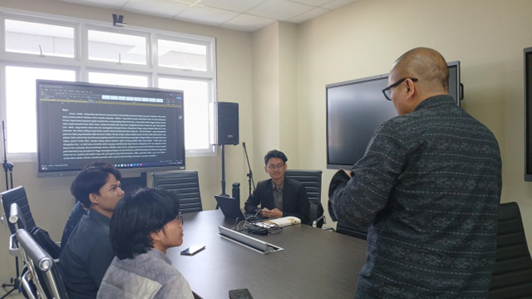
The internship film project reflects the International Office’s commitment to experiential learning as a tool for global engagement. By merging creative practice with theoretical foundations, the students developed skills that are relevant not only for artistic expression but also for cultural representation and international collaboration. The process required meticulous planning, time management, and peer coordination, challenging participants to adapt, innovate, and maintain high standards throughout the production. Observers noted that the project created a unique platform for students to demonstrate leadership, creativity, and teamwork in a highly immersive context.
Lala Bumela emphasized the broader significance of the film initiative within the university’s internationalization strategy. “This project exemplifies how student-driven creativity can align with institutional goals, enhancing our global presence while nurturing talent that is reflective, innovative, and culturally aware,” he said. He further highlighted that such initiatives serve as a model for integrating academic learning with practical, real-world applications, offering students a transformative experience that bridges local knowledge with global perspectives.
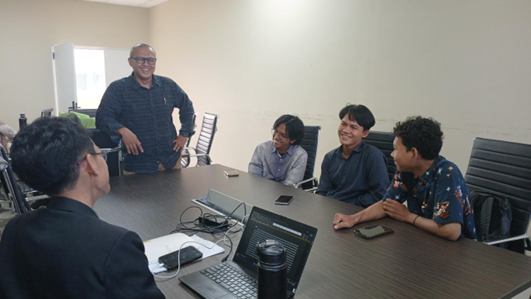
The production of Tamyiz Season 3 also fostered a sense of community and shared purpose among participants. Students reported that collaborating on the project strengthened their understanding of interdisciplinary approaches, combining insights from education theory, Sufi philosophy, and media production. The experience not only enriched their technical and analytical skills but also deepened their appreciation for creative processes as a means of intellectual and emotional expression. The project became a platform for mentorship, peer learning, and cross-functional collaboration, demonstrating the power of student initiative in driving meaningful outcomes.
Reflecting on the initiative, Lala Bumela underscored its role as a stepping stone for future international engagement. “Our students have shown that creativity, dedication, and thoughtful collaboration can produce work that resonates beyond our campus. With projects like Tamyiz Season 3, we are preparing a generation of learners and creators who can contribute to global dialogues and showcase the intellectual and cultural richness of UIN SSC,” he affirmed. The initiative illustrates how student creativity, guided by institutional support, can serve as a bridge toward international recognition and cross-cultural exchange.
Author: Muhammad Azkiya Bahtsulkhoir