
Fostering Tolerance and Understanding: UIN Siber Syekh Nurjati Cirebon Hosts Religious Moderation Workshop for SN-GES 2025 Awardees
Cirebon, September 12, 2025 — UIN Siber Syekh Nurjati Cirebon welcomed international students from Thailand, Senegal, Yemen, and the Philippines to a specially designed Religious Moderation Workshop, part of the SN-GES 2025 scholarship orientation. This event introduced participants to Indonesia’s unique religious and cultural diversity. Facilitated by Alfian Febriyanto, M.AT, and coordinated by the International Office, the session was attended by Arif Yeekajik, Babou Seck, Hamdi Mujeb Thabet Sharaf, Jadene Querod Zainal, Nadja Querod Cabuayo, Paojia Cabuayo Sucatan, Maja Asleah Lindongoan Salisipan, and Tasneem Wado. The warm and enthusiastic atmosphere reflected the strong spirit of cross-cultural learning that defines the university's global mission.
Led by Lala Bumela Sudimantara, Ph.D, Director of the International Office, the session aimed not only to introduce the concept of religious moderation but also to equip students with the ability to engage meaningfully within Indonesia's plural society. “Moderation is not a passive stance,” said Alfian during his presentation. “It is an active practice of balance, justice, and tolerance in our daily lives.” Students were introduced to the importance of Pancasila, particularly its first principle—Belief in One Supreme God—as the spiritual and national foundation of Indonesia.
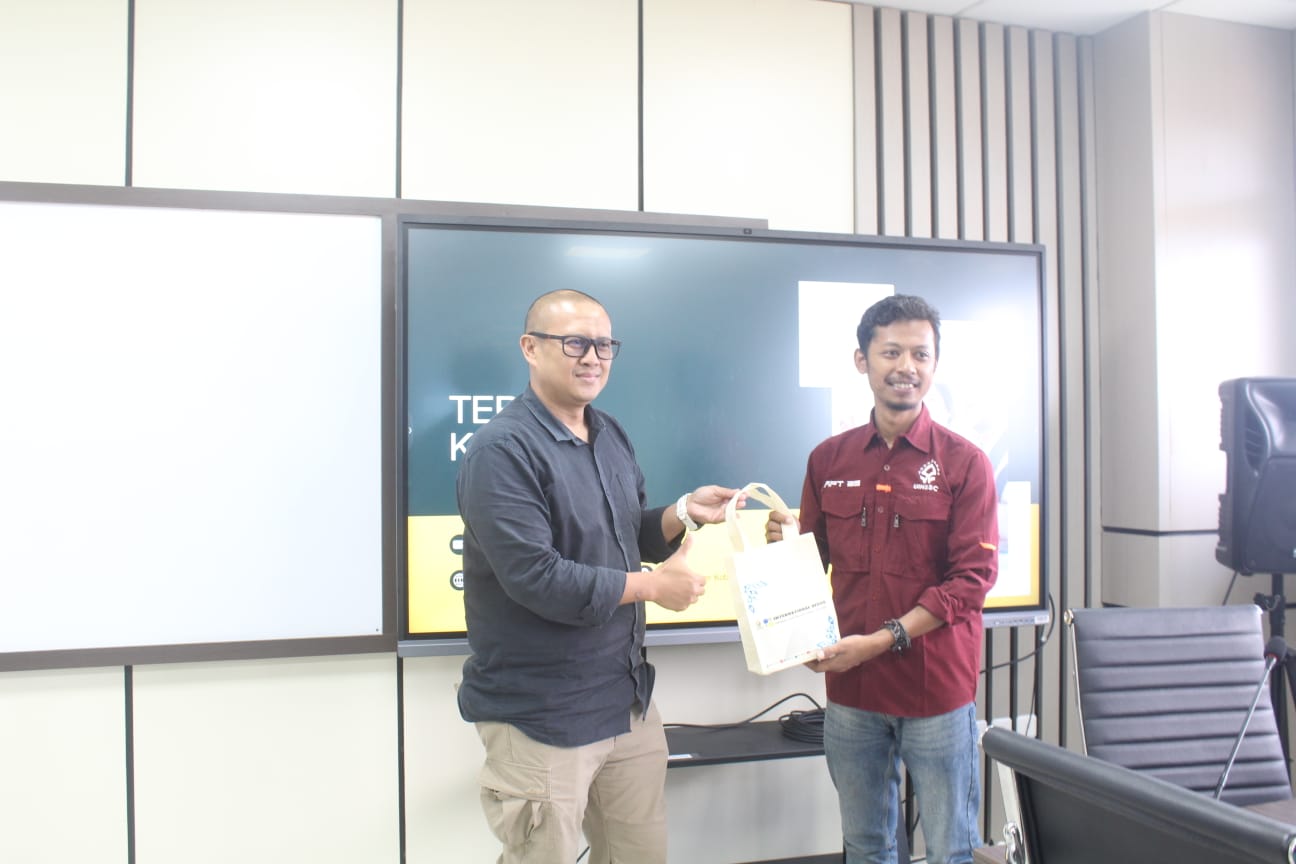
During the session, participants explored Indonesia's vast religious landscape, which includes seven official religions and over 180 local belief systems. The discussion highlighted real-world examples of tolerance—such as churches offering iftar meals, mosques lowering speaker volumes, and Buddhist monks resting at mosques during their thudong pilgrimage. At the same time, the conversation also addressed exclusivity, such as the presence of faith-specific housing or facilities, prompting critical reflection on inclusivity in public life.
Religious moderation was presented not merely as a middle-ground position, but as a mindset grounded in ethical and intellectual integrity—anchored in fairness, humility, and respect. Various linguistic roots were discussed, from moderatio (Latin) meaning balance, to moderation (English) as a standard, and wasathiyah (Arabic) as the practice of justice and equilibrium. Students were encouraged to view tolerance not as an option, but as a necessary skill in a diverse society.
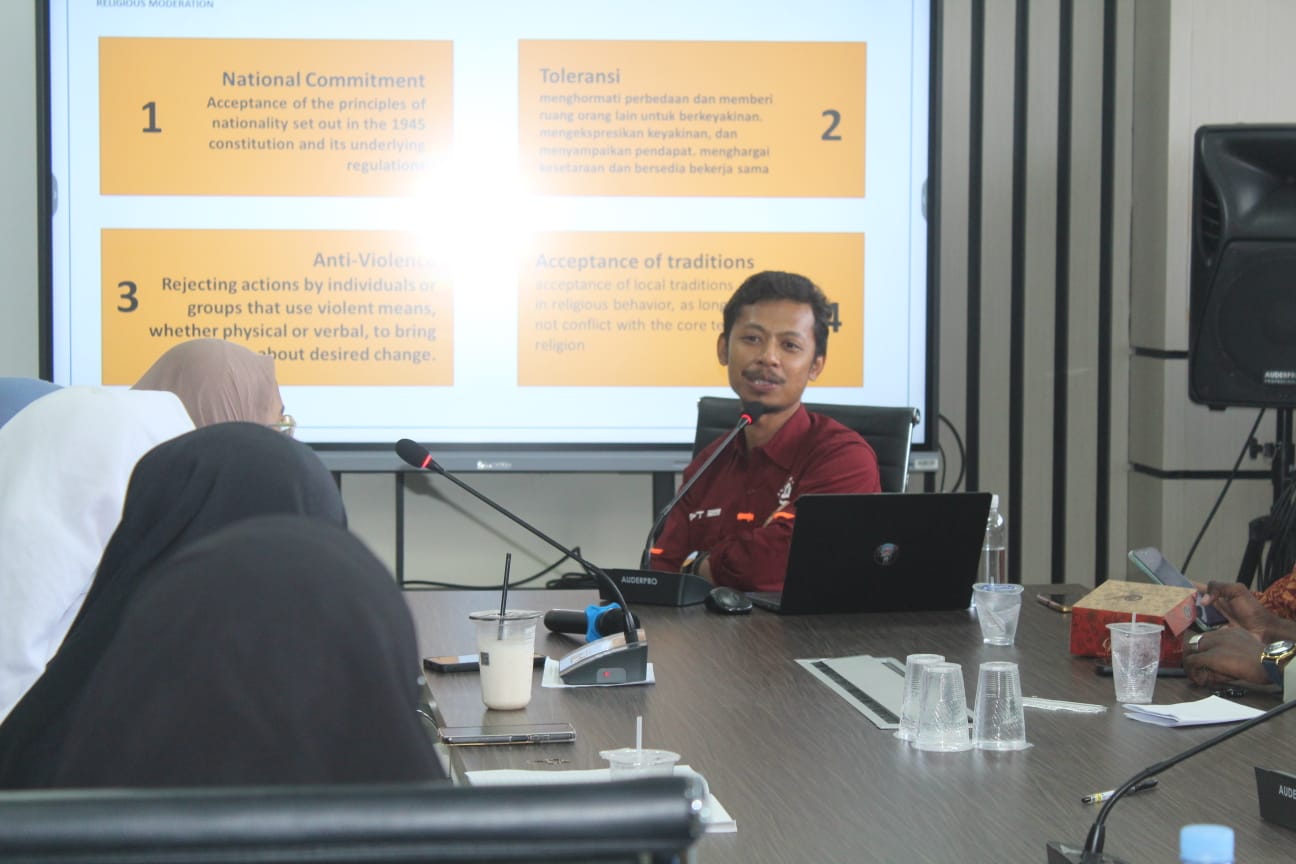
Group discussions and reflection sessions allowed SN-GES scholars to express their thoughts and explore their evolving perspectives in Indonesia. Staff from the International Office helped facilitate these exchanges, connecting the principles of moderation to students’ academic and social experiences. The presence of the Global Engagement team further enriched the session, reinforcing UIN Siber Syekh Nurjati’s commitment to fostering intercultural understanding and inclusive learning environments.
Participants were reminded that diversity, while enriching, also comes with challenges—especially in societies where truth is interpreted through multiple cultural and religious lenses. This potential for conflict makes social cohesion essential. Religious moderation, framed within Indonesia’s national motto Bhinneka Tunggal Ika (Unity in Diversity), was offered as a solution that bridges differences and promotes harmony through mutual respect.
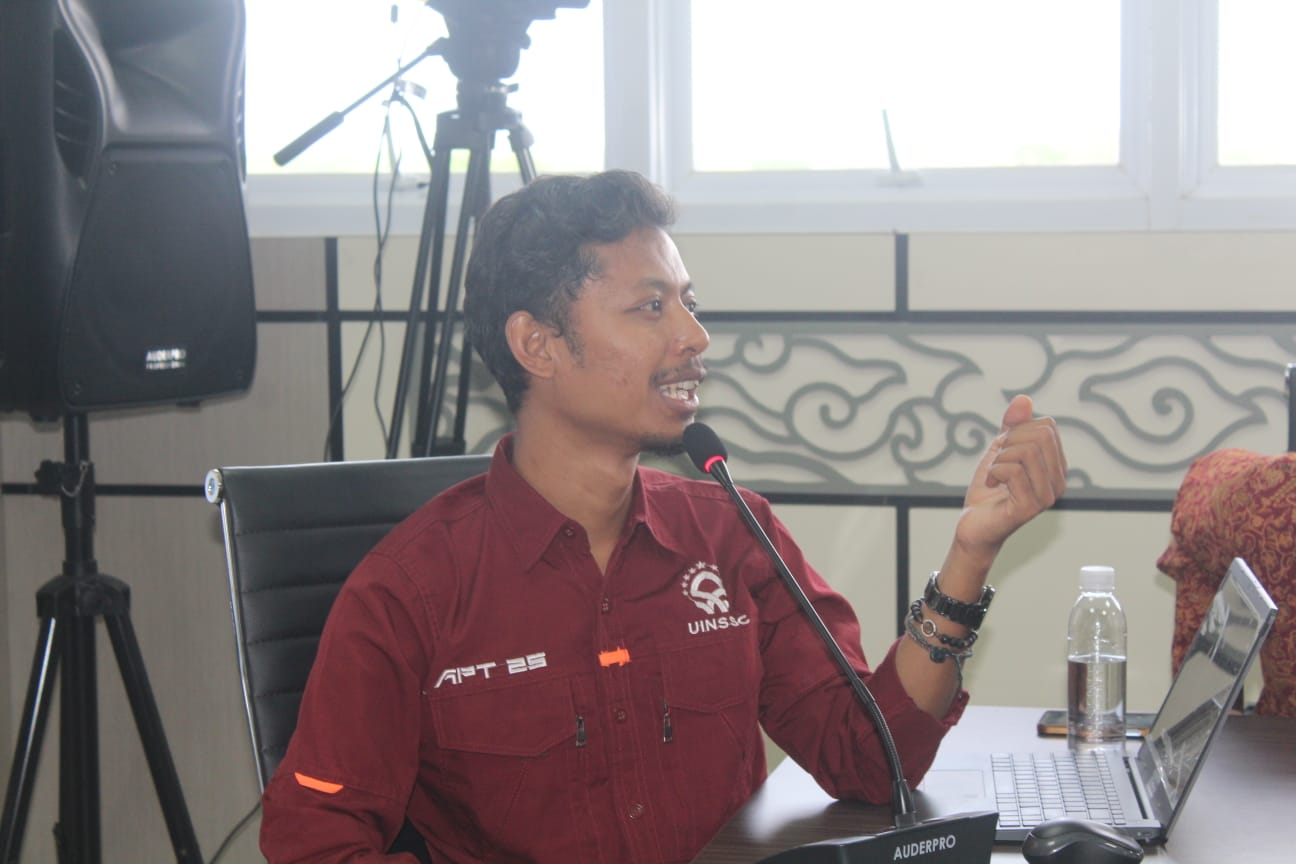
The session concluded with a powerful message: religious moderation is not simply the opposite of radicalism, but a proactive stance against all forms of extremism—whether ultra-liberal or ultra-conservative. Indicators of moderation—such as national commitment, tolerance, rejection of violence, and acceptance of tradition—were emphasized as key to maintaining peace in a plural society. International students left the session with deeper insight into their role as respectful, tolerant members of the global academic community.
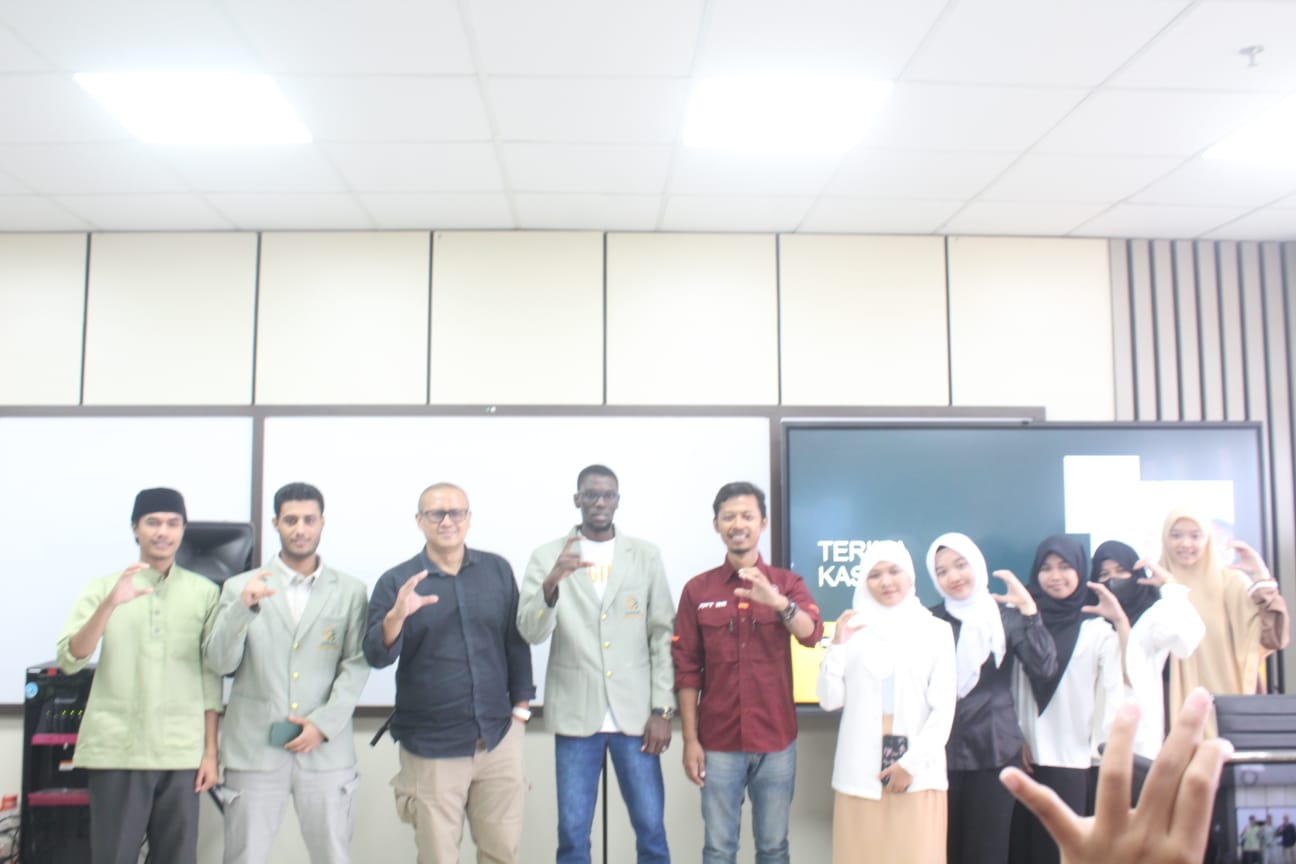
Through this initiative, the International Office reaffirmed its role not only in supporting international students administratively, but also in nurturing globally minded individuals with strong intercultural and civic values. UIN Siber Syekh Nurjati Cirebon continues to strengthen its position as a hub for inclusive and humanistic education, where students from around the world can grow together in shared values of peace, justice, and mutual respect.
Author: Cindi Aulia