
From Sustainable Development Goals Critique to Regenerative Praxis: The International Office of UIN Siber Syekh Nurjati Cirebon Assumes Epistemic Stewardship by Institutionalizing the BIMA Framework Through the International Seminar and Workshop “Returning to the Circle”
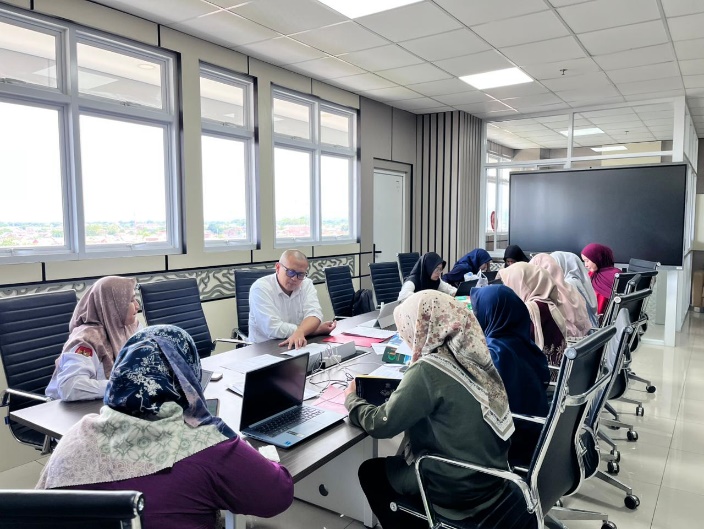
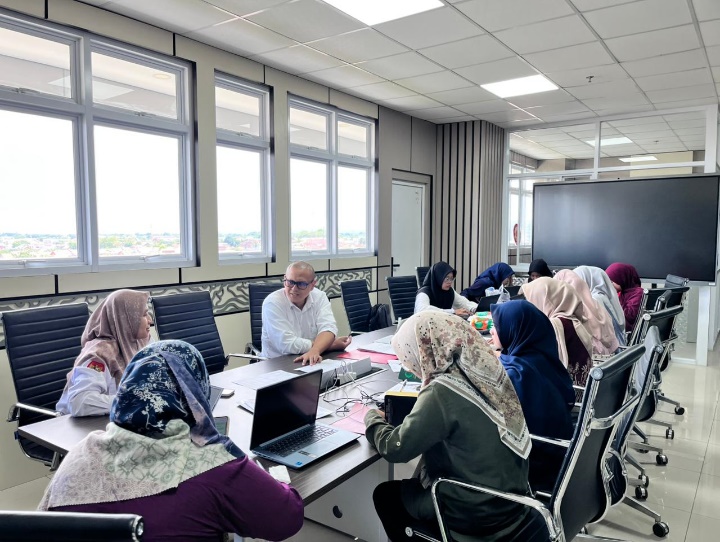
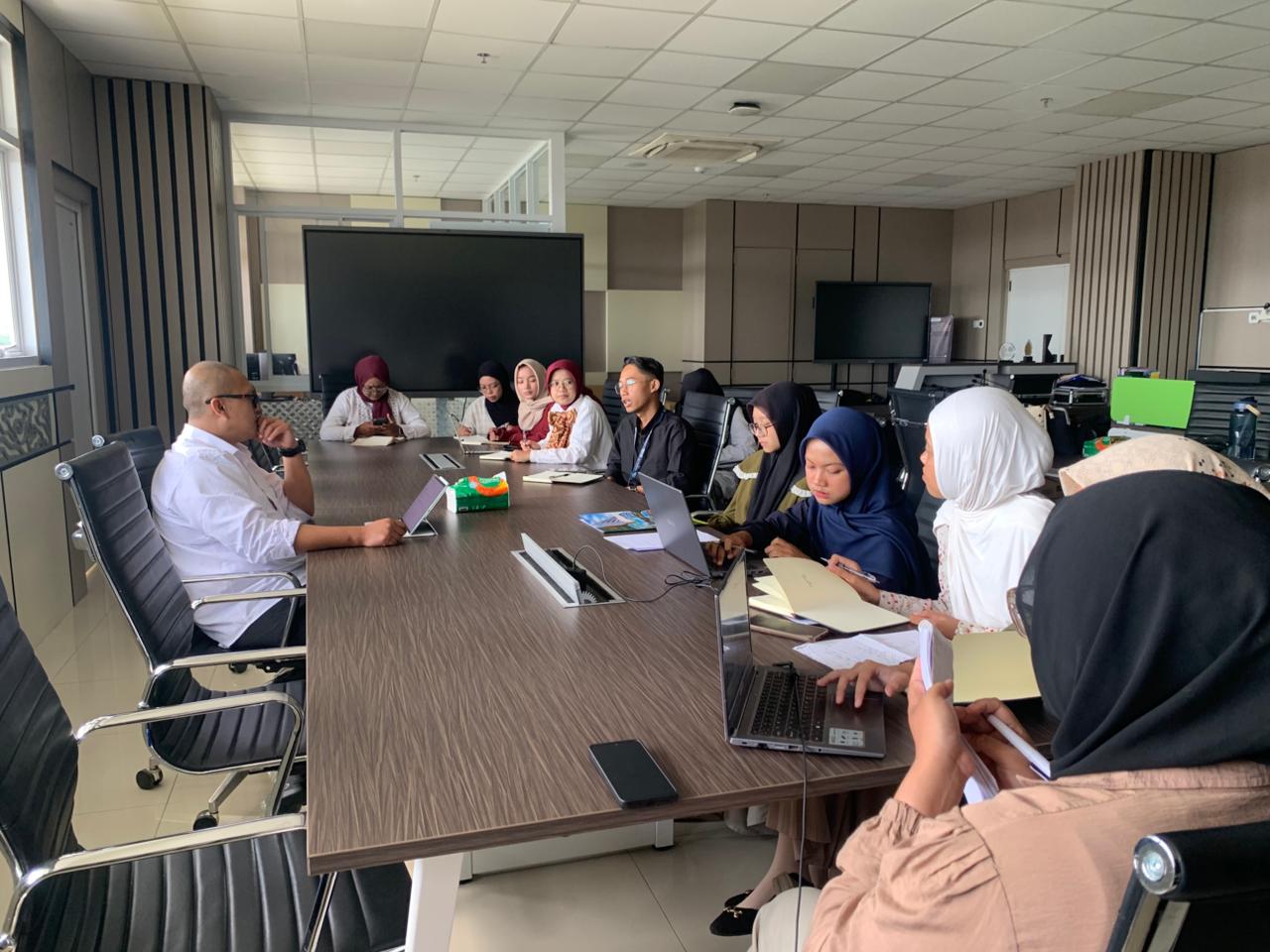
Cirebon, November 24, 2025 – The International Office of UIN Siber Syekh Nurjati Cirebon held a strategic internal meeting to finalize preparations for the International Seminar and Workshop: Returning to the Circle: A Regenerative Pathway Beyond Technocratic Sustainable Development Goals. Director Lala Bumela Sudimantara, Ph.D., led discussions with staff and the Global Engagement Team (GET), emphasizing this event’s significance as the university’s first institutional initiative to critically transcend conventional sustainability frameworks. Confirmed speakers include Alexander N. Christakis, Ph.D. (Greece), Prof. Dr. Rudolf Wirawan (Adelaide University, Australia, sole developer of the BIMA Framework), Luqman Baehaqi, Ph.D. (UIN Palangka Raya), Bapak Sukad, Syarifuddin, S.S., Ivan Chabibilah, M.A., and Didin Misbahudin, S.Hum. Lala Bumela Sudimantara, Ph.D. highlighted that the International Office stands as UINSSC’s pioneering unit in deeply examining SDGs, now advancing toward regenerative alternatives. This seminar will challenge GET members to re-evaluate knowledge creation and dissemination models within education systems. The meeting solidified the office’s commitment to intellectual leadership beyond administrative coordination.
The BIMA Framework (Bridging Intelligence, Mindfulness, and Awareness), exclusively developed by Prof. Dr. Rudolf Wirawan of Adelaide University, represents a paradigm shift from output-driven SDGs toward circular wisdom ecosystems. Lala Bumela Sudimantara, Ph.D. explained how UINSSC’s International Office became Prof. Dr. Rudolf Wirawan’s primary academic partner in Asia after recognizing its alignment with Indonesian epistemologies. Unlike SDGs’ compartmentalized targets, BIMA centers human dignity within ecological and social regeneration cycles. The framework’s theological dimensions will anchor curriculum transformation discussions. IO UINSSC’s adoption marks the first institutional implementation of BIMA in Southeast Asia, positioning the university at the forefront of post-technocratic sustainability discourse. This initiative challenges educators to audit whether teaching methods cultivate intellectual depth or merely academic compliance.
Central to the workshop is its interrogation of curriculum design that privileges traditional credentialing over transformative learning. Lala Bumela Sudimantara, Ph.D. critiqued how current systems conflate academic rigor with intellectual rigor, producing graduates skilled in examinations but unprepared for systemic crises. The BIMA approach replaces linear knowledge transfer with cyclical wisdom cultivation, where students co-create regenerative community projects instead of memorizing isolated facts. GET members will facilitate dialogues on decolonizing syllabi through local wisdom integration, such as Sundanese silih asih (mutual care) principles. This requires reimagining classroom spaces, assessment metrics, and even graduation criteria to measure students’ capacity for ecological and social healing. The seminar will produce concrete frameworks for Indonesian universities seeking meaningful sustainability integration beyond superficial SDG checkboxes.
The speaker lineup exemplifies intentional interdisciplinary curation, with each expert connecting specialized knowledge to theological foundations. This initiative builds upon organic collaborations sparked during Prof. Dr. Rudolf Wirawan’s 2025 visit to Cirebon, where conversations with Lala Bumela Sudimantara, Ph.D. revealed profound synergies between BIMA and UINSSC’s cyber-campus philosophy. The International Office facilitated Prof. Dr. Rudolf Wirawan’s first dialogue with Alexander N. Christakis, Ph.D., where their shared critique of technocratic sustainability models crystallized the framework’s expansion into Asian contexts. This partnership exemplifies UINSSC’s strategic role as a global convener of paradigm-shifting collaborations. This organic growth from hallway conversations to institutional transformation, validates the International Office’s patient cultivation of intellectual ecosystems.
Lala Bumela Sudimantara, Ph.D.’s unique positioning as the bridge between Prof. Dr. Rudolf Wirawan and Alexander. N. Christakis, Ph.D. enables unprecedented synergy. This trust allowed Prof. Dr. Rudolf Wirawan to entrust UINSSC with adapting his framework for Muslim-majority contexts, a responsibility the office fulfills through rigorous theological calibration. The upcoming seminar formalizes insights from grassroots experiments like mountain classrooms. Lala Bumela Sudimantara, Ph.D. emphasized: “True innovation emerges not from importing Northern frameworks but from nurturing Southern wisdom until it blossoms into global solutions. At UINSSC, we measure excellence not by how much we adopt, but by how deeply we regenerate knowledge ecosystems.” His words capture the university’s journey from regional institution to thought leader.
The seminar’s legacy will manifest through concrete institutional transformations, beginning with UINSSC’s curriculum reform. GET members will lead campus-wide “Circle Dialogues” adapting these tools to Indonesian contexts. This initiative positions UIN Siber Syekh Nurjati Cirebon as an architect of education’s next renaissance. As preparations intensify, the International Office reaffirms its commitment to making Cirebon the birthplace of a global movement where technology serves ancestral wisdom rather than erasing it.
Author: Resa Diah Gayatri