
Holding Ground in Oral Tradition Research: A Follow-Up Research Meeting at UIN Siber Syekh Nurjati Cirebon Advances the Interpretive Translation and AI-Enhanced Emotional Analysis of Sundanese Carita Pantun Lutung Kasarung in Collaboration with UIN Palangka Raya
Cirebon, September 3, 2025 — The International Office of UIN Siber Syekh Nurjati Cirebon held a follow-up research meeting to advance its ongoing study on Carita Pantun Sunda, focusing on the emotional and aesthetic dimensions of oral indigenous literature. The session was initiated by Lala Bumela Sudimantara, Ph.D., head of the International Office, and brought together the core research team, including Luqman Baehaqi, Ph.D. from UIN Palangka Raya, along with student interns from the International Office who are actively involved in digital scholarship and research support. This meeting served as a critical continuation of the field visit conducted on August 31, 2025, to Pasir Batang in Karangsari Village, Darma District, Kuningan Regency—the actual landscape associated with the Lutung Kasarung narrative. The discussion centered on the team’s efforts to translate and analyze fragments of the oral pantun based on field recordings and contextual insights.
The research began with direct engagement at the physical and spiritual site of the Lutung Kasarung story, where the team met with two key local knowledge holders: Didin Mishbahuddin, S.Hum., a philology and archaeology expert from Niskala Institute, and Sukad, a respected elder from Sagarahiang Village. During the visit, the team did not access a written manuscript but instead listened to oral recitations and narrative explanations rooted in lived tradition. The absence of a formal written text underscored that pantun Sunda kuno is primarily an oral and performative art form, preserved through memory, rhythm, and ritual. The landscape itself—rivers, sacred groves, and mountainous terrain—was treated as a living text, in which every feature carries symbolic and pedagogical meaning. This experiential approach aligns with the concept of tatahar, or direct engagement with the environment, as essential to understanding the deeper layers of the story.
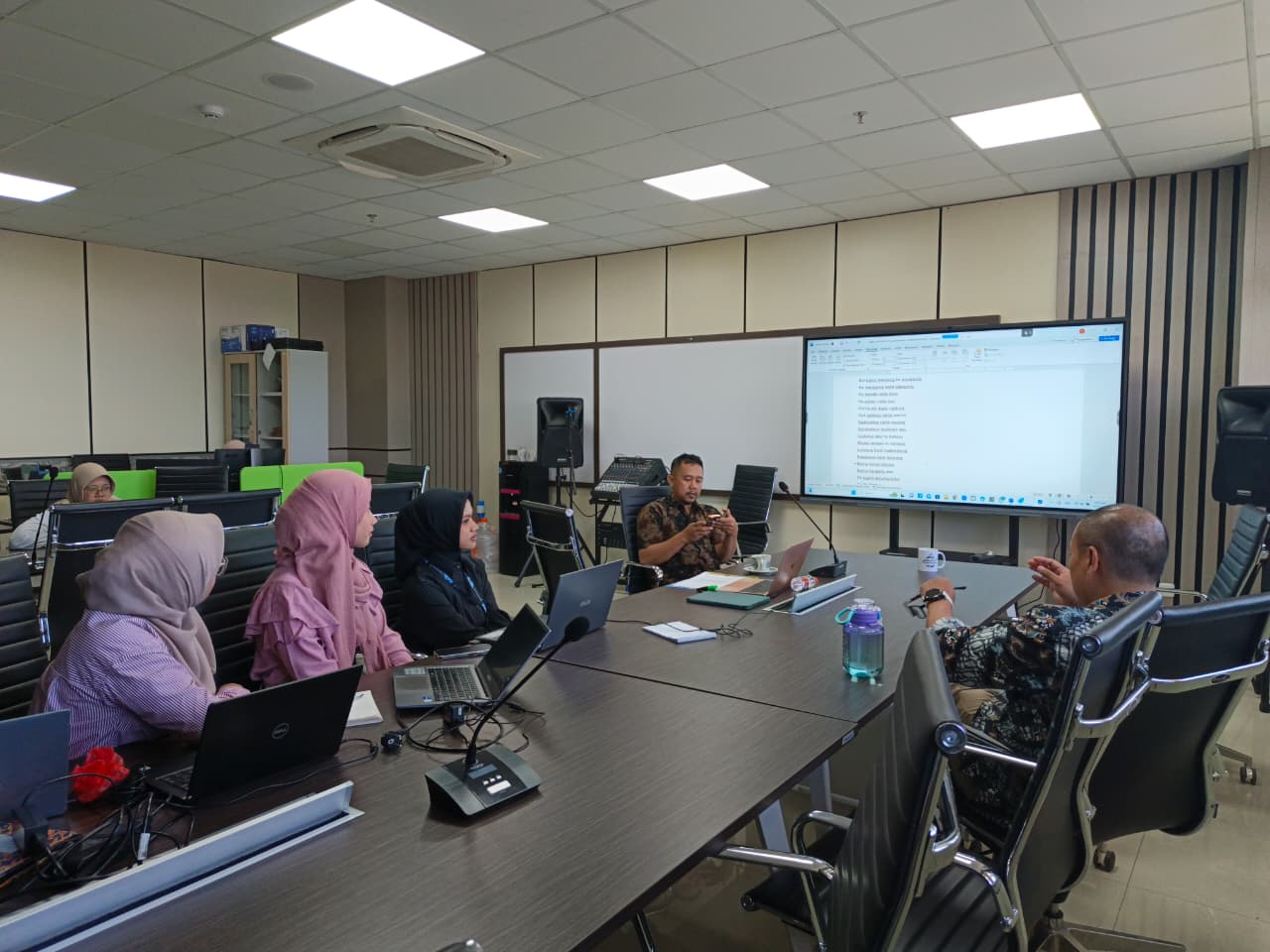
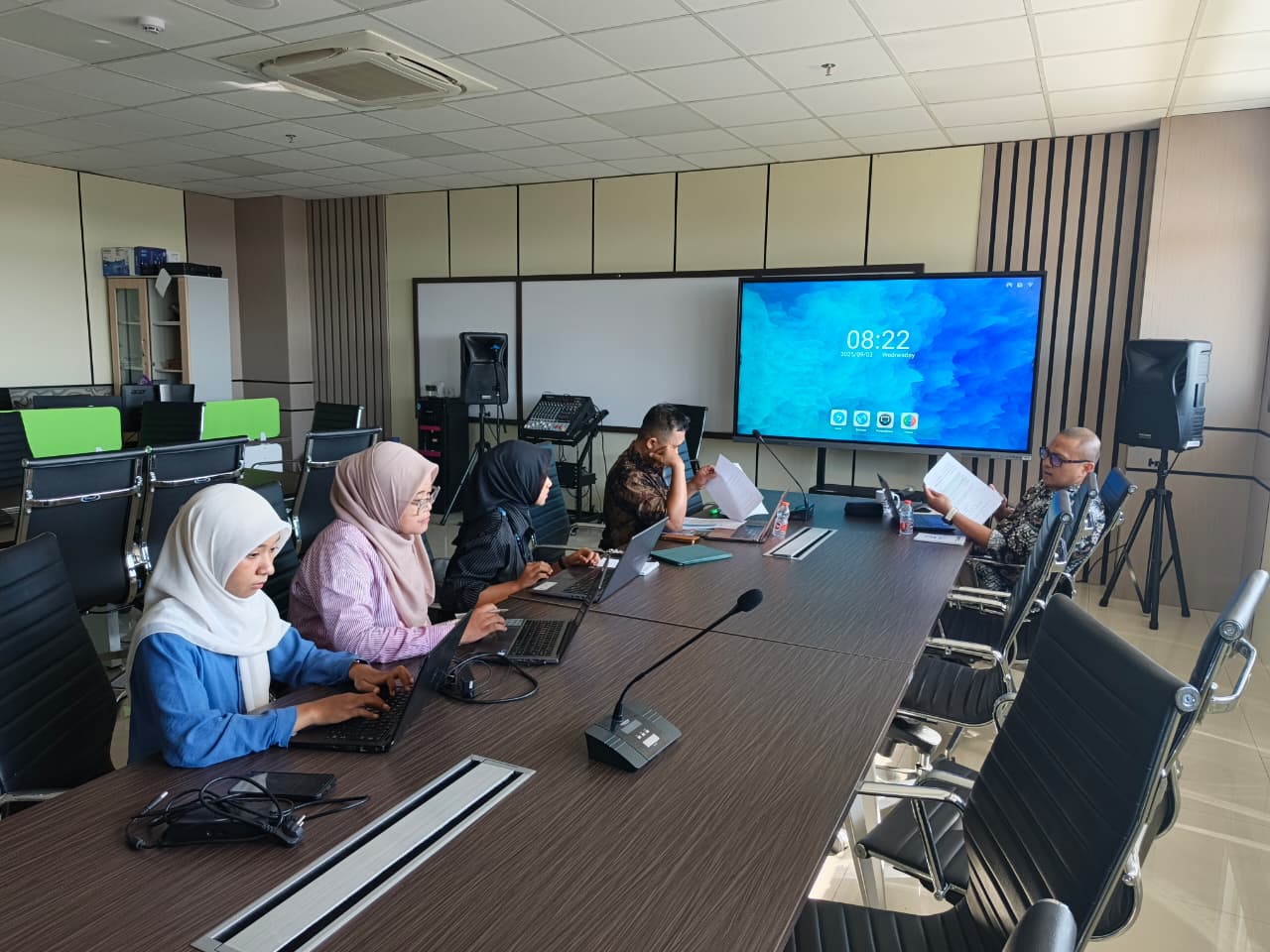
Following the field visit, the research team began the process of transcribing and translating selected segments of the oral pantun into both Indonesian and English. These translations were not literal but interpretive, aiming to preserve the poetic structure, emotional tone, and cultural nuances of the original performance. The student interns played a central role in this process, guided by Luqman Baehaqi, Ph.D., who emphasized the importance of contextual understanding over word-for-word accuracy. The goal was not only to render the text into another language but also to capture its aesthetic and philosophical essence. This effort marks a significant step in making an otherwise inaccessible oral tradition available for academic study and global dialogue.
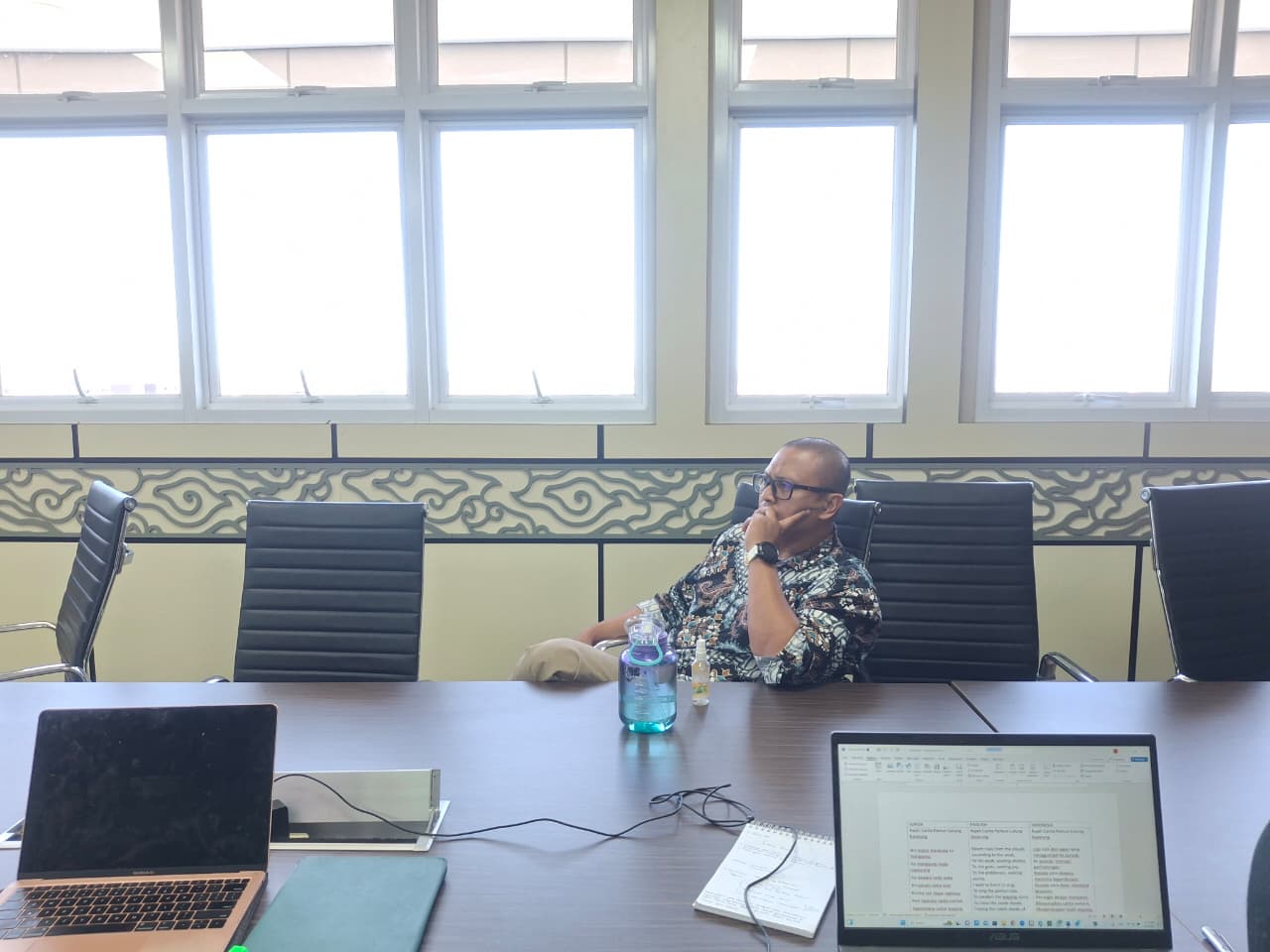
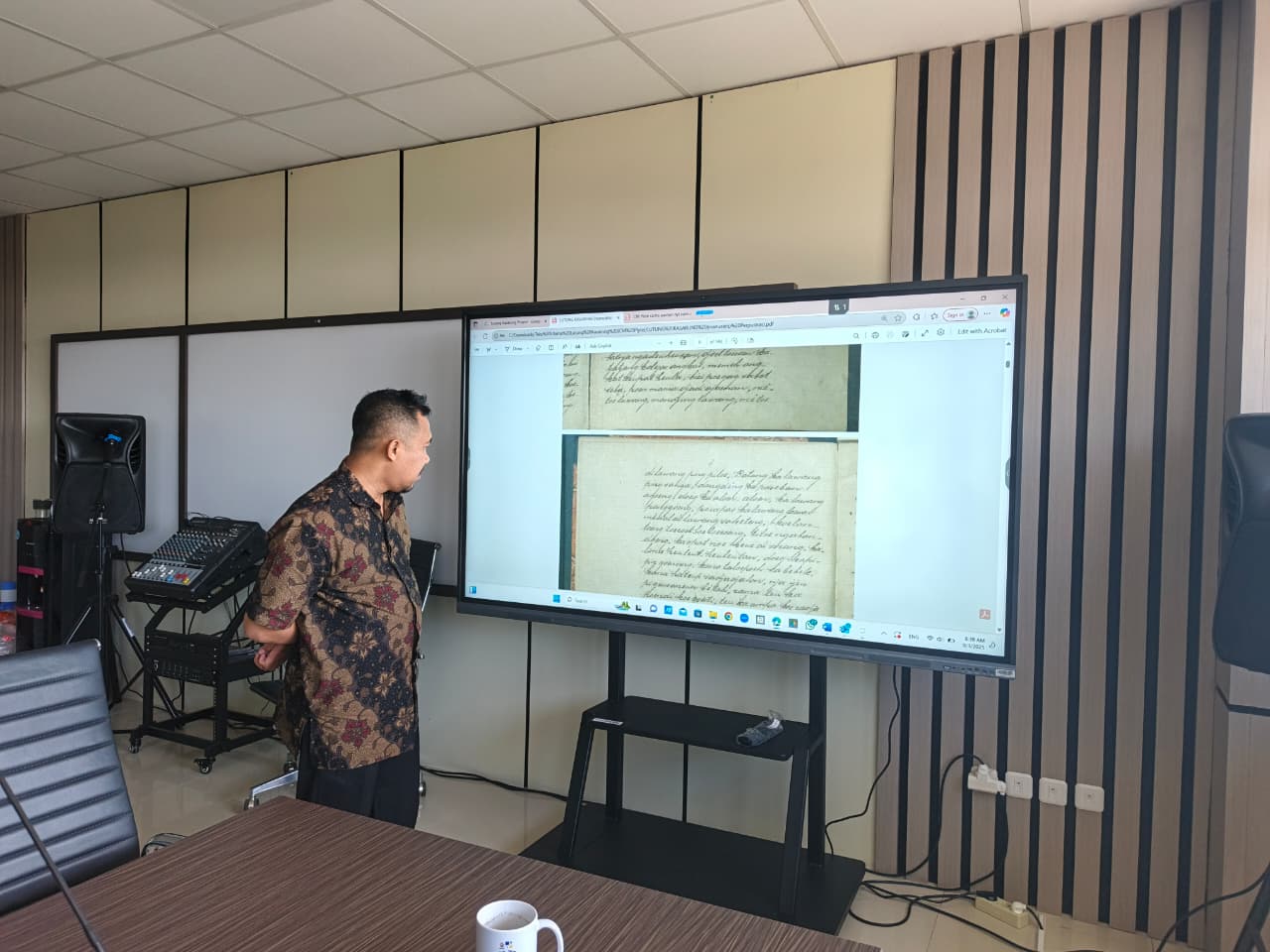
A key focus of the September 3 meeting was the use of artificial intelligence to assist in emotional and linguistic analysis of the translated texts. The team began experimenting with AI tools to identify emotional patterns, tonal shifts, and rhythmic structures embedded in the narrative. By feeding the translated segments into sentiment analysis platforms, the team visualized the story's emotional arc, which revealed moments of tension, reverence, longing, and resolution. This method complements traditional hermeneutics by providing a data-informed layer to interpret how the story affects its audience on a psychological and emotional level. Lala Bumela Sudimantara Ph.D. emphasized that AI is not replacing human interpretation but enhancing it, allowing the team to ask more precise research questions and validate their insights.
Luqman Baehaqi, Ph.D. highlighted the broader implications of this research for education and cultural preservation. He noted that the emotional depth of carita pantun is not incidental but intentional—crafted to leave lasting impressions through rhythm, repetition, and symbolic imagery. The team is exploring how these elements can be integrated into the BIMA Framework (Bridging Intelligence, Mindfulness, and Awareness), an interdisciplinary model for education that fuses indigenous wisdom with contemporary learning technologies. The AI-assisted analysis helps identify which parts of the narrative evoke the strongest emotional responses, offering clues for designing immersive learning experiences that replicate the power of oral storytelling.
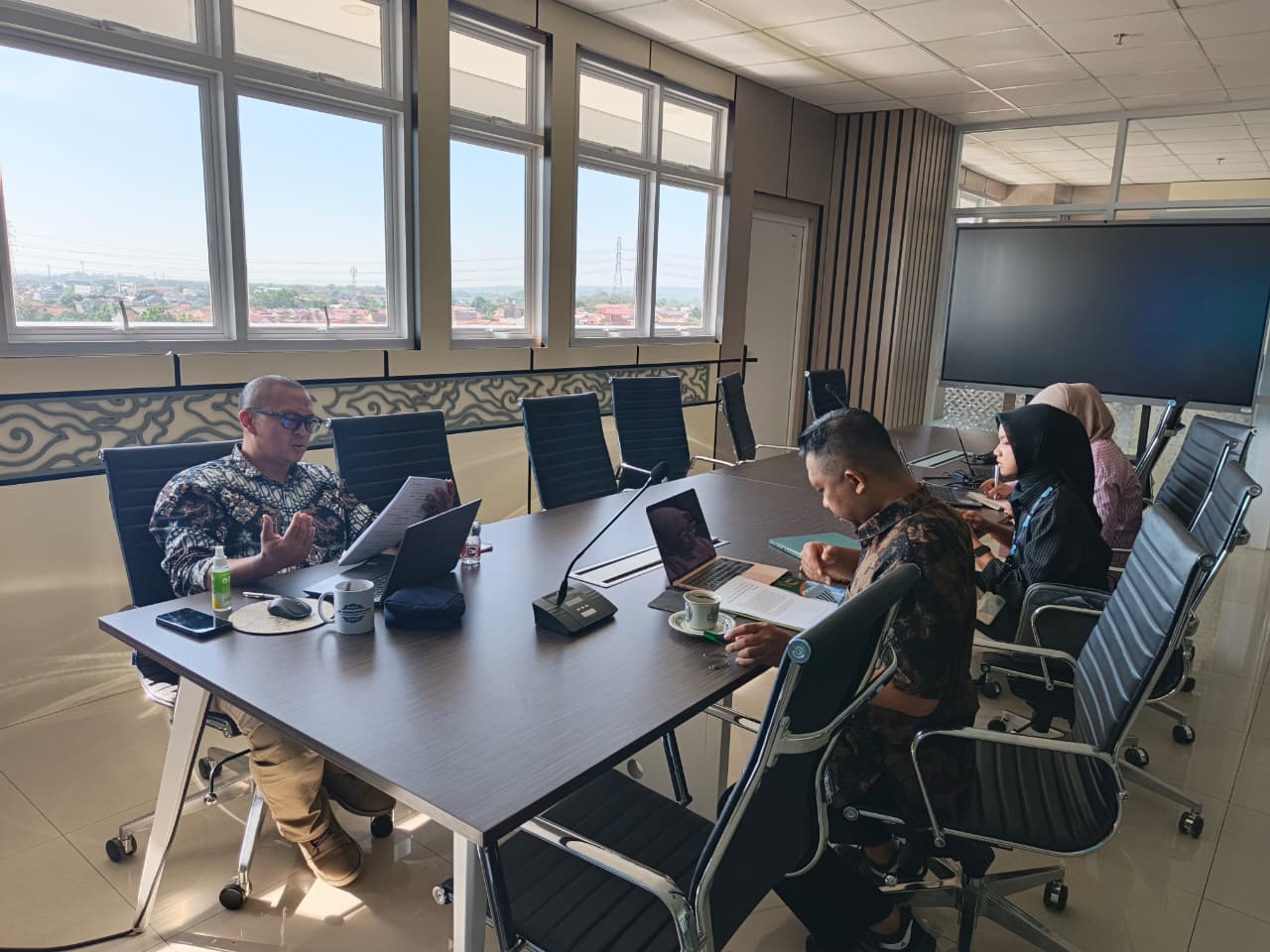
The meeting concluded with a shared commitment to continue refining the translations and expanding the analysis to include more segments of the pantun. Lala Bumela Sudimantara, Ph.D. encouraged the student interns to take ownership of the research, emphasizing that their contributions are vital to the project’s success. He also reminded the team that the ultimate goal is not just academic publication but the revitalization of Sundanese cultural heritage in modern education. The team also plans to develop multimedia learning modules inspired by the Lutung Kasarung narrative. These will integrate sound, visual storytelling, and interactive elements to recreate the immersive experience of tatahar. This research continues to affirm that Carita Pantun Sunda is not merely folklore but rather a living, holistic system of knowledge worthy of global academic attention.
Authors: Resa Diah Gayatri and Salsabilla