
Lala Bumela’s Welcoming Speech in Pre-AsiaCALL 2025 Workshop Inspires the Participants to Think Critically about AI and Education
Cirebon, October 11, 2025 — Lala Bumela Sudimantara, Ph.D, Director of the International Office, opened the workshop titled “Voicing Critical Perspectives: AI Research Workshop and Public Speaking Bootcamp for AsiaCALL 2025 Student Presenters” with an inspiring welcoming speech. The event took place at the International Office, 5th floor of the Cyber Building, UIN Siber Syekh Nurjati Cirebon, from 8 a.m. to 3 p.m., attended by the Global Engagement Team (GET) who joined both onsite and online via Zoom Meeting. “It is both an honor and a responsibility to host this workshop,” Lala Bumela, Ph.D. stated as he officially began the program before the first session with keynote speaker Emma Schuberg, Ph.D., from Charles Darwin University.
As a pre-conference activity for AsiaCALL 2025, the workshop was designed to equip members of the Global Engagement Team with the necessary knowledge and mindset to navigate the intersection of artificial intelligence and language education. It specifically aimed to prepare several student presenters for the upcoming international conference by deepening their understanding of AI integration and critical pedagogical perspectives. Beyond technical preparation, the event sought to cultivate participants’ critical and reflective thinking through interactive discussions and collaborative exchanges. By providing a supportive academic environment, the workshop encouraged students to develop innovative research ideas and strengthen their presentation skills. In essence, it served as both a training ground and a collaborative platform for future educators to engage with global perspectives on education and technology.
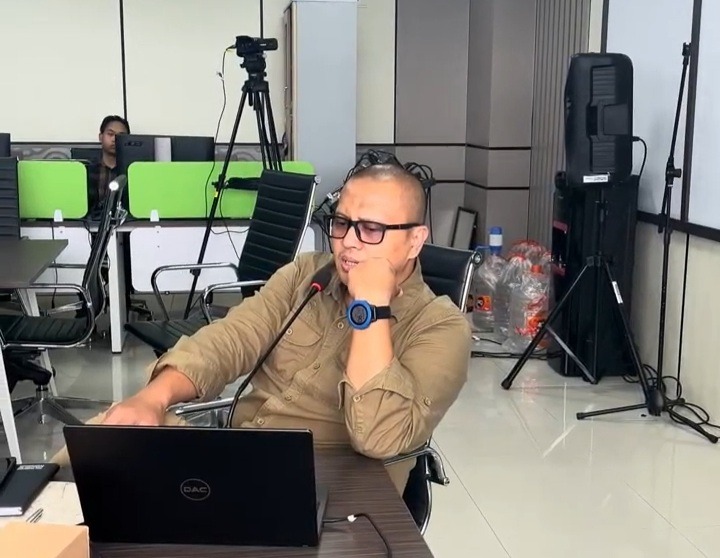
In his welcoming speech, Lala Bumela, Ph.D. highlighted that the workshop carried a deeper purpose beyond academic preparation and public presentation. He reminded participants that “this workshop is not only about showcase, but about building more curiosity, especially for pre-service English teachers in the 21st century.” His message invited students to engage in deeper intellectual exploration by asking critical questions about the nature of learning, teaching, and technology. Rather than treating the event as a performance, he encouraged them to view it as an opportunity to develop analytical perspectives and genuine curiosity toward educational phenomena. Through this reminder, he established an atmosphere of reflection and inquiry that guided the tone of the entire session.
Seven student presenters were selected to deliver their research ideas through short, focused presentations that reflected their ongoing academic projects. The presenters were Farah Syifa Mutiara Riyadi, Indah Fitri Nurhidayah, Resa Diah Gayatri, Cyrila Tsania Zahra, Muhammad Azkiya Bahtsulkhoir, and Indra Maulana Arfan Azis from the English Language Teaching Department, along with Tsamarah Bahira Alzena from the Islamic Community Development Department. Each of them presented their research to one of the conference’s keynote speakers, Emma Schuberg, Ph.D., who provided thoughtful insights and constructive feedback. Her comments helped the students refine their ideas, strengthen their arguments, and identify new angles for further exploration. This interactive exchange not only enhanced the participants’ academic competence but also gave them a taste of how scholarly dialogue operates in an international academic setting.
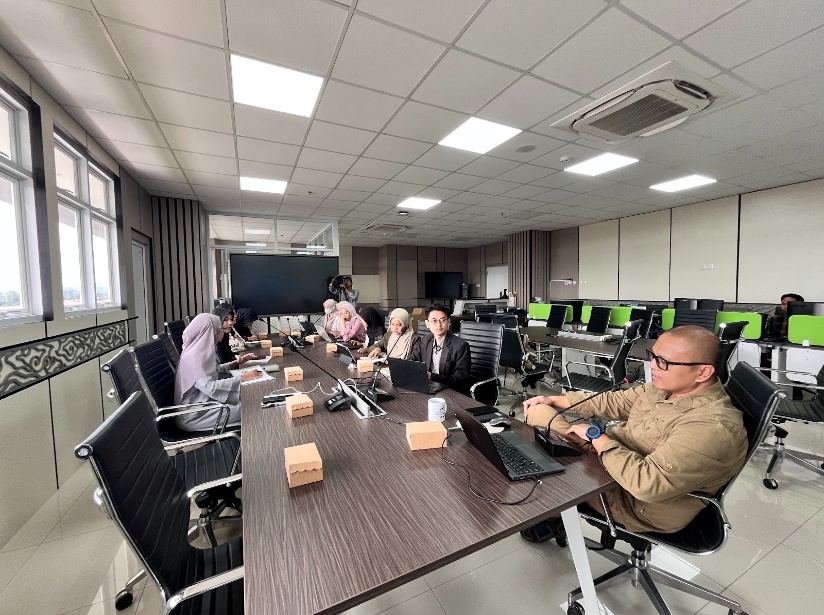
The workshop discussions centered on the integration of Artificial Intelligence in education and its broader implications for teachers, curriculum design, and creative learning practices. Lala Bumela, Ph.D. emphasized the importance of maintaining critical awareness amid rapid technological advancement, reminding educators to remain reflective rather than reactive. “We should see AI not as a magic solution,” he asserted, “but as a mirror,” highlighting the need to use technology as a means of self-examination and growth. His statement captured the workshop’s central message—that while AI offers immense potential, it must be guided by ethical considerations and pedagogical insight. Through this perspective, participants were encouraged to balance innovation with humanity, ensuring that technology enhances rather than replaces meaningful educational engagement.
In closing, Lala Bumela, Ph.D. expressed his hope that the event would serve as a catalyst for ongoing dialogue about the challenges and realities of education in Indonesia. He envisioned the workshop as an interactive forum where both students and educators could critically examine tensions within the national education system, particularly in pedagogical and curricular aspects. “I hope this workshop becomes an interactive discussion where everyone can feel the tension within Indonesia’s educational system,” he remarked, underscoring the need for awareness and transformation. His concluding words resonated deeply with participants, both those attending online and those present onsite. The session ended with a sense of enthusiasm and inspiration, motivating the students to think critically, communicate confidently, and contribute meaningfully to the evolving landscape of education.
Author: Salsabilla