
On Its Last Day, AsiaCALL 2025 Presents Groundbreaking Innovations in Artificial Intelligence and Advanced CALL Methodologies That Will Revolutionize English Language Education, Setting New Global Standards in Language Learning and Teaching
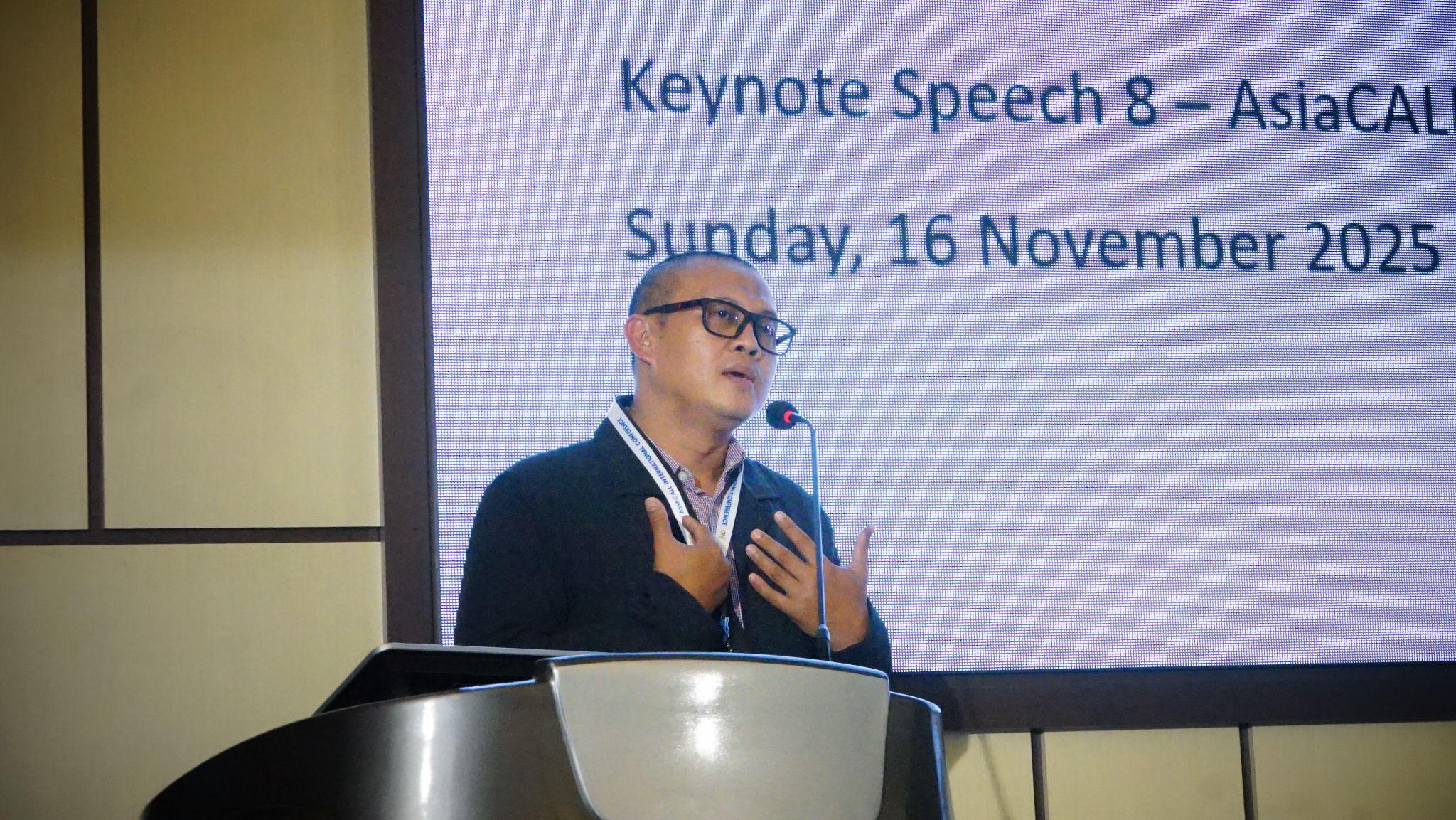
Cirebon, November, 16th 2025 — The third and final day of the 22nd AsiaCALL International Conference, held from November 14–16, 2025 at UIN Siber Syekh Nurjati Cirebon, Indonesia, marked a historic milestone in the field of Computer-Assisted Language Learning. Under the guidance of Lala Bumela, Ph.D., Director of the International Office at UINSSC and President of AsiaCALL International Conference 2025, and with the leadership of Prof. Andrew Lian, President of AsiaCALL (Suranaree University of Technology, Thailand; University of Canberra, Australia), the event brought together world-class scholars and educators for three days of immersive academic exchange. The closing day, November 16, featured workshops led by keynote speakers including Prof. Dr. Jeremy White (Ritsumeikan University, Japan), Ania Lian, Ph.D. (Charles Darwin University, Australia), Lala Bumela, Ph.D., and Luqman Baehaqi, Ph.D. (UIN Palangkaraya, Indonesia), followed by two parallel sessions. The conference concluded with a closing symposium led online by Prof. Andrew Lian. This year’s event also celebrated a historic leadership transition with Assoc. Prof. Dr. Pham Vu Phi Ho, Ph.D. (Industrial University of Ho Chi Minh City, Vietnam) officially taking on the role of AsiaCALL President. Reflecting on the day, Lala Bumela, Ph.D. remarked, “AsiaCALL 2025 has not only brought together exceptional minds, but also created a platform where collaboration, innovation, and inspiration converge for all participants.”
Despite the excitement and academic brilliance of the closing day, participants were immersed in intellectually rigorous discussions that highlighted the challenges of integrating AI into language education. Assoc. Prof. Dr. Pham Vu Phi Ho, Ph.D., emphasized the delicate balance between opportunity and responsibility in his reflections: “Over the past three days, we have listened, discussed, shared, and learned together, exploring both the opportunities and responsibilities that AI brings to language education.” The closing symposium prompted participants to consider how technological innovation can be harnessed ethically, how AI complements rather than replaces human teaching, and how educators and students alike can navigate a rapidly evolving academic landscape with accountability and creativity.
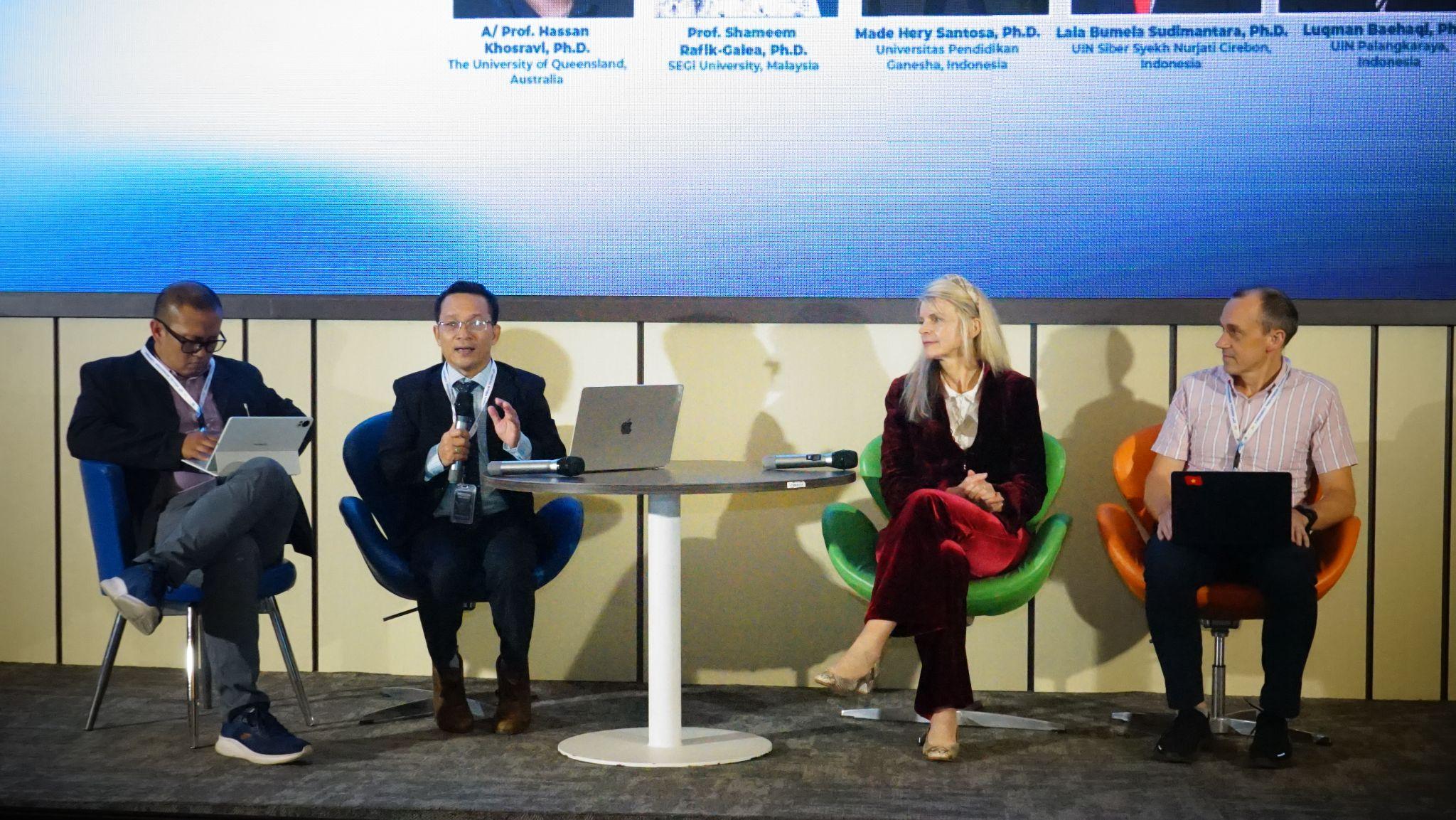
Throughout the day, participants engaged in lively exchanges, drawing from diverse perspectives from Japan, Vietnam, Australia, Thailand, and Indonesia. The sessions provided a platform for sharing research, debating methodologies, and reflecting on the practical implementation of AI-enhanced CALL. These discussions highlighted the global nature of language education today, emphasizing collaboration and knowledge exchange as essential tools for addressing contemporary challenges. The dynamic dialogue between scholars and practitioners transformed the conference hall into a hub of critical thought, mutual learning, and inspiration.
As the final sessions concluded, the conference’s impact on participants became evident. Insights gained from workshops, presentations, and symposiums sparked new ideas, encouraged innovative thinking, and strengthened professional networks. Lala Bumela, Ph.D., reflected on the significance of the gathering: “Thank you all for sharing this teaching and learning journey with me; may the experiences and connections from this conference continue to inspire your work for years to come.” Her words captured the essence of AsiaCALL 2025: a transformative event fostering both knowledge and collaboration, leaving participants equipped to advance their institutions and communities in the field of language education.
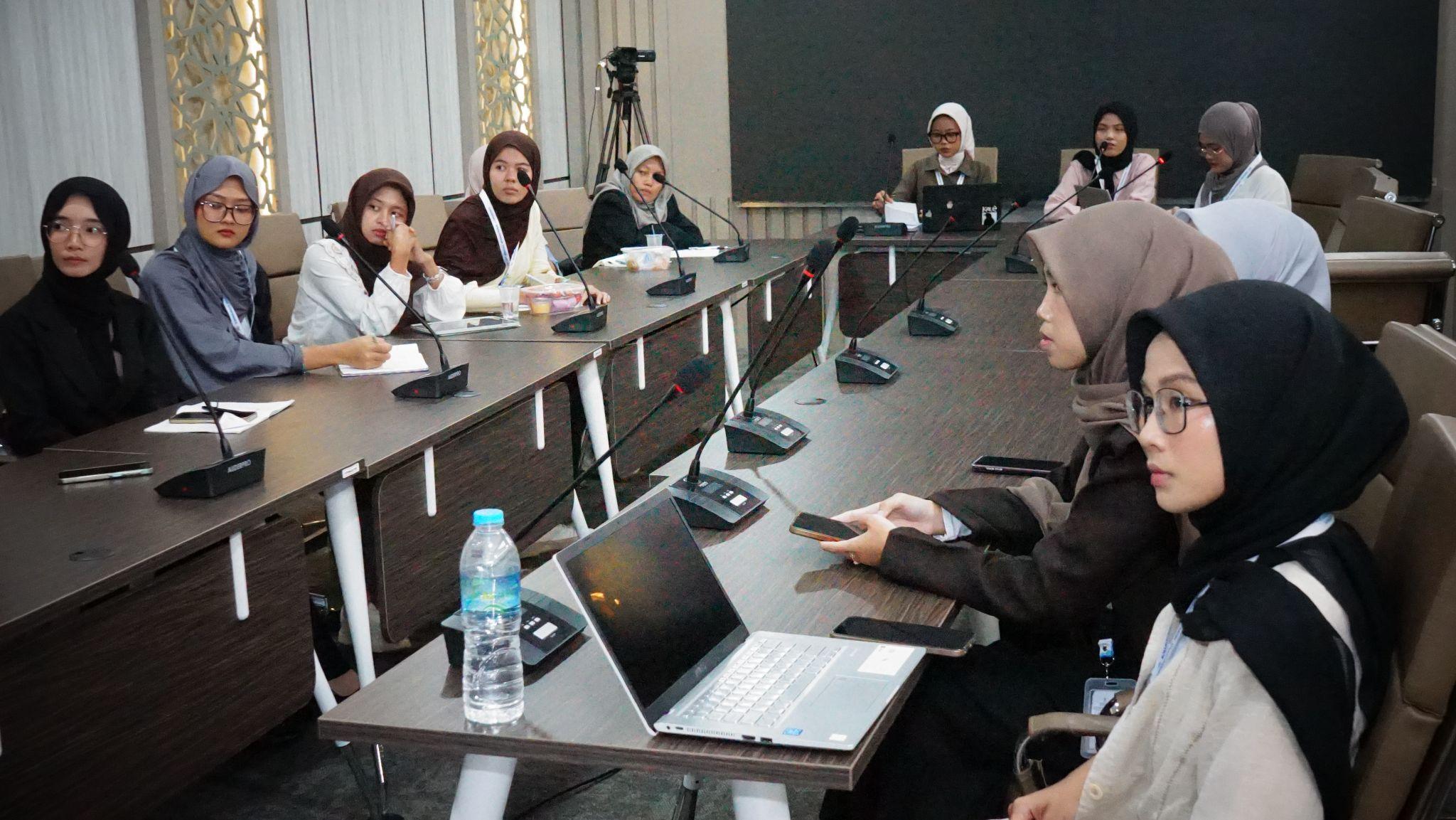
By the close of AsiaCALL 2025, participants departed with a renewed sense of purpose and direction. The conference had successfully combined intellectual rigor, practical insights, and international networking, leaving a lasting impression on educators, students, and administrators alike. The leadership transition underscored AsiaCALL’s ongoing commitment to innovation and collaboration, signaling a future where AI-driven tools enhance rather than replace human pedagogy. Attendees carried with them not only knowledge, but also a shared vision for advancing English language education across borders.
The legacy of AsiaCALL 2025 rests in its ability to inspire and unite the global CALL community. It demonstrated that innovation, responsibility, and collaboration are intertwined pillars of educational progress. Lala Bumela, Ph.D., concluded with a vision for the future: “This conference will leave lasting memories and serve as a meaningful academic milestone for everyone. Together, we have set a new standard for excellence in language education and global engagement.” With this milestone, AsiaCALL 2025 closes its doors, leaving a roadmap for future scholars, educators, and leaders to continue shaping the evolving landscape of AI-enhanced language learning.
Author: Muhammad Azkiya Bahtsulkhoir