
Reimagining Creative Writing through Pantun Sunda: Lala Bumela Advances Transformative Pedagogy by Linking Eco-Poetry, Oral Sacred Knowledge, and Life Curriculum for Agricultural Literacy and the BIMA Framework
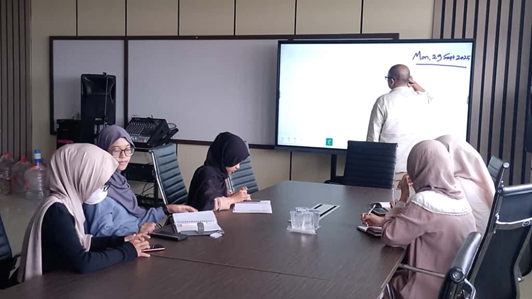
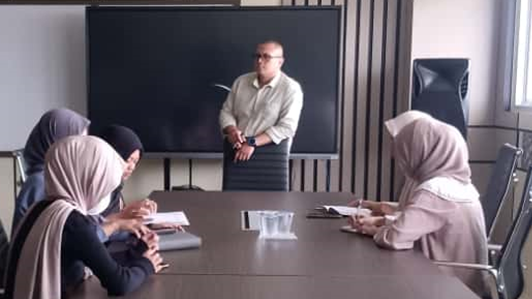
Cirebon, September, 29th 2025 — Students from the English Language Teaching Department (ELTD) in Creative Writing class, embarked on a hiking session to Sagarahiang, Kuningan, under the guidance of Lala Bumela, Ph.D., director of the International Office at UIN Siber Syekh Nurjati Cirebon. This fieldwork served as an immersive introduction to a curriculum in which Pantun Sunda functions as eco-poetry, carrying centuries of ecological wisdom, agricultural knowledge, and moral guidance. During the preparatory meeting, Lala Bumela emphasized that the initiative was far more than conventional writing exercises: “We are creating a life curriculum that teaches students to read the environment, understand ancestral knowledge, and internalize lessons that shape long-term awareness and creativity.” Participants, including the PICs, were thoroughly briefed on logistics, site safety, and how sacred locations such as Sangiang and the lingga stones would serve as a living database for observation, reflection, and poetic inspiration.
As students traversed the mountain field, the landscape itself became a classroom. The rice terraces, streams, and sacred stones were not merely scenic elements, but carriers of knowledge embedded in eco-poetic Pantun Sunda. Each verse reflected agricultural rhythms, environmental harmony, and cultural ethics, allowing students to experience the interplay between human activity and nature. By interpreting and composing Pantun, learners practiced translating sensory experiences and ecological observations into creative expression, bridging traditional oral knowledge with contemporary reflective writing.
The curriculum emphasizes how Pantun Sunda operates as both literature and life technology, teaching ecological literacy, sustainability, and ethical engagement. Lala Bumela notes, “These verses are living guides. Every line carries ancestral wisdom about how to cultivate land, respect natural cycles, and maintain harmony with the environment. Students internalize these lessons through writing and reflection, connecting themselves to generations of knowledge.” Local myths, such as Lutung Kasarung, further enrich the learning experience, offering allegorical frameworks for understanding ecological and social balance while inspiring eco-poetic compositions.
The BIMA Framework structures the educational approach, fostering Bridging Intelligence, Mindfulness, and Awareness throughout all field activities. Observing the flow of rivers, the tilt of terraces, and the patterns of vegetation, students engage intellectually and emotionally with the landscape. By reflecting on the interactions between natural processes and human practices, learners develop a holistic understanding of ecological systems, agricultural rhythms, and ethical responsibility. This immersive pedagogy transforms the mountain into a living laboratory, merging creative practice with environmental and cultural literacy.
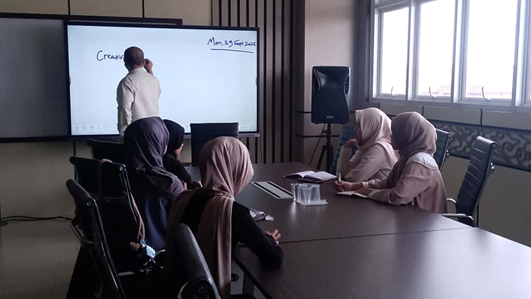
Collaboration enhances the transformative nature of the course. Students engaged in discussions, interpreting Pantun, co-creating eco-poetry, and exchanging reflections on the ecological and moral insights embedded in the verses. Lala Bumela facilitated these interactions, guiding learners to strengthen connections between ancestral wisdom, personal reflection, and contemporary ecological consciousness, making learning both participatory and deeply experiential. Lala Bumela emphasizes, “Knowledge is not solitary; it grows through shared observation, discussion, and creative engagement. Students learn to listen to the land, to each other, and to the voices of the past.”
By positioning Pantun Sunda as eco-poetry, integrating oral sacred knowledge, agricultural literacy, and field-based life curriculum, Lala Bumela has reimagined Creative Writing as a transformative journey of mind, heart, and environment. “Our goal,” he reflects, “is to cultivate individuals who are attuned to nature, honor cultural legacies, and translate these insights into conscious action. Pantun Sunda teaches us that creativity, ecological awareness, and ethical reflection are inseparable.” Through this initiative, UIN SSC demonstrates a pioneering approach to pedagogy, nurturing writers capable of engaging creatively, responsibly, and reflectively with both culture and environment.
Author: Muhammad Azkiya Bahtsulkhoir