
Reviving the Wisdom of Lutung Kasarung to Create Emotionally Engaging and Culturally Rooted Interactive English Language Learning Through Collaboration Between UIN Siber Syekh Nurjati Cirebon and UIN Palangka Raya
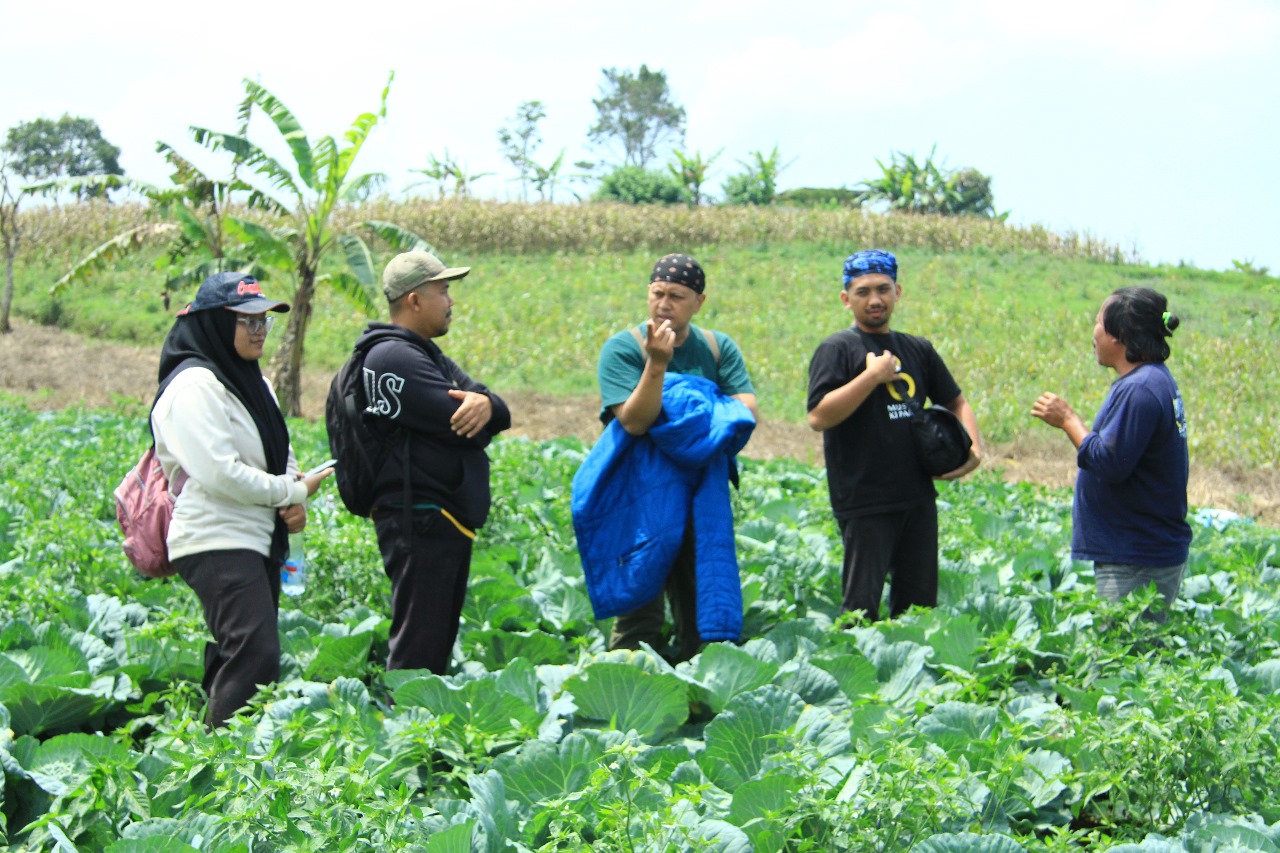
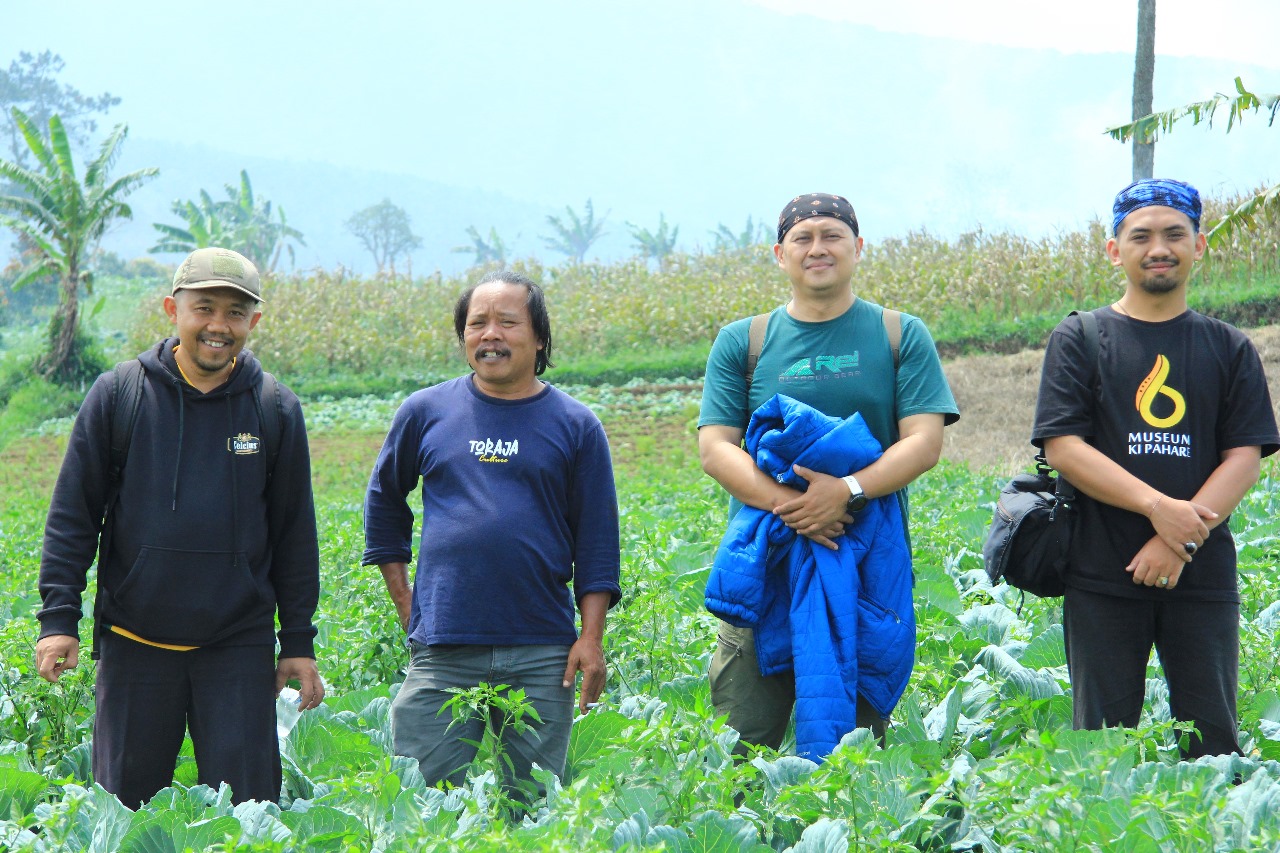
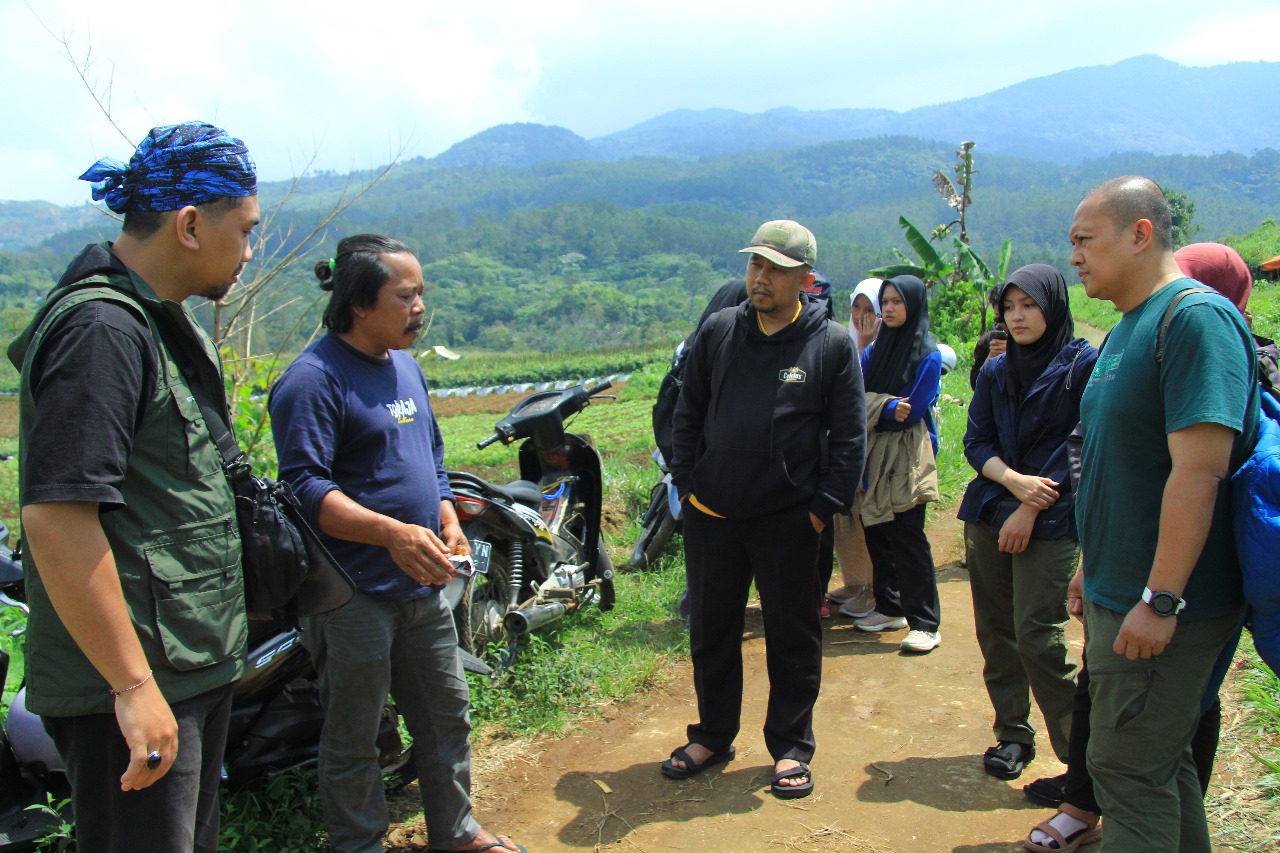
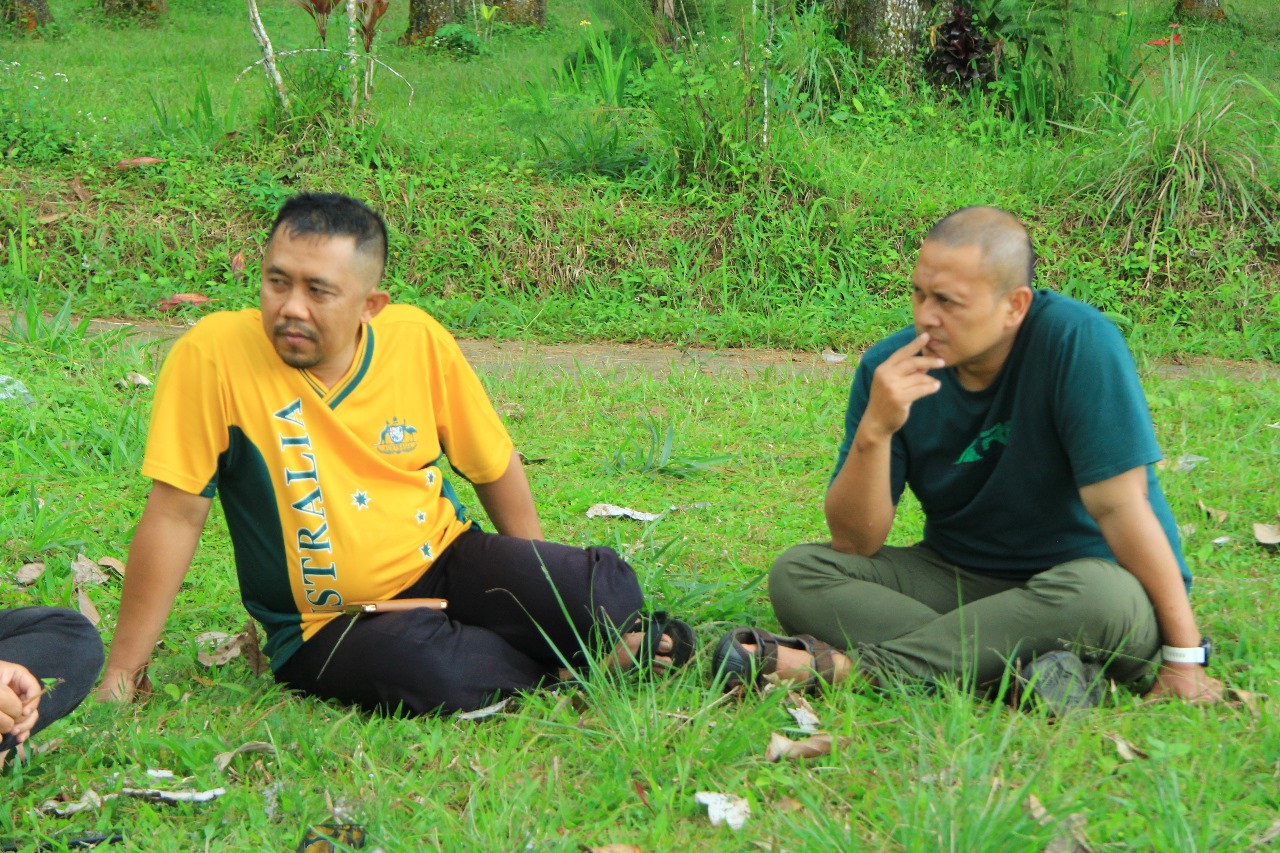
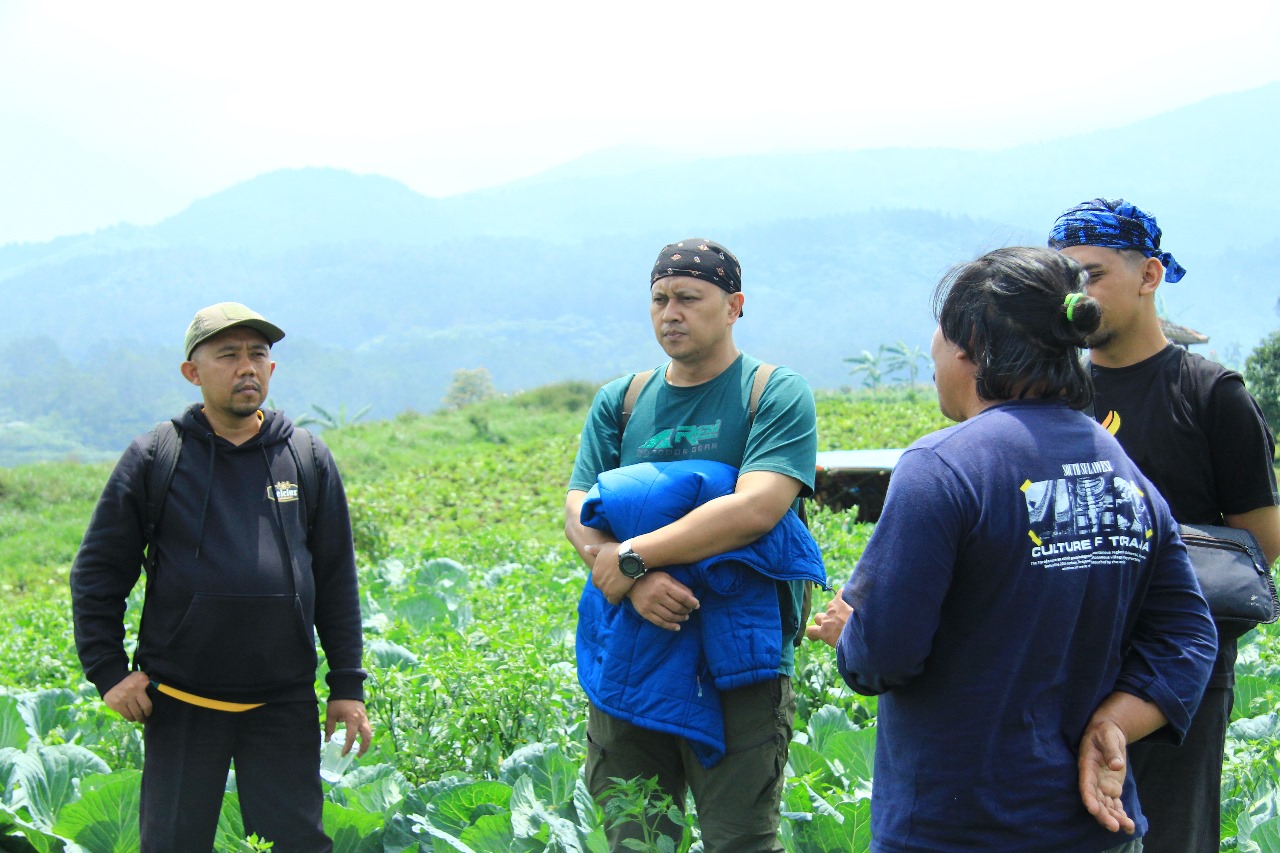
Kuningan, August 31, 2025 — A research team from UIN Siber Syekh Nurjati Cirebon, in collaboration with UIN Palangka Raya, conducted a field visit to Pasir Batang in Karangsari Village, Darma District, Kuningan Regency. The visit was led by Lala Bumela Sudimantara, Ph.D. and formed a crucial step in the development of an innovative approach to interactive English learning rooted in local cultural wisdom. The team included Luqman Baehaqi, Ph.D. along with young researchers Cyrila Zahra Tsania, Farah Syifa Mutiara R., Indah Fitri Nurhidayah, and Resa Diah Gayatri, engaged with two key local knowledge holders: Didin Mishbahuddin, S.Hum., a philology and archaeology expert from Niskala Institute, and Sukad, a respected elder from Sagarahiang Village. This visit was not merely an academic excursion but a deliberate effort to gather deep cultural insights that can enrich digital and interactive language education. The team emphasized the importance of experiential learning and direct engagement with cultural sites. Their goal is to ensure that technology-enhanced learning remains grounded in authentic local knowledge.
The central aim of the research is to transform traditional Sundanese pantun, particularly the Lutung Kasarung narrative, into a dynamic resource for interactive English learning. Unlike conventional approaches that treat folklore as static text, this project views pantun as a living, multisensory experience that can be adapted into immersive digital formats. The team observed that the rhythm, intonation, and symbolic landscape of pantun create a powerful emotional and cognitive engagement, qualities that are often missing in standard language classrooms. By analyzing how these elements work together, the researchers aim to design interactive modules where learners do not just read or listen, but experience stories through sound, movement, and visual storytelling. This approach moves beyond translation or grammar drills, offering instead a holistic way to learn language through cultural depth and emotional resonance. The team believes that such an approach can significantly enhance student motivation and long-term retention. Their vision is to make language learning both meaningful and transformative.
A key outcome of this research is the integration of the BIMA Framework—Bridging Intelligence, Mindfulness, and Awareness—into language learning design. BIMA is a transformative educational model originally proposed by Professor Rudolf Wirawan of the University of Adelaide, grounded in the principles of regenerative learning. Rather than treating education as a process of extraction or consumption, regenerative learning emphasizes renewal, interconnectedness, and the co-creation of knowledge within living systems.
In the context of English learning, BIMA encourages students to develop not only linguistic skills but also critical thinking (Intelligence), self-awareness and focus (Mindfulness), and cultural sensitivity (Awareness). For example, when learners engage with a digital version of Lutung Kasarung, they are not only exposed to vocabulary and grammar but also invited to reflect on themes such as leadership, ecological balance, and moral choice. This transforms language learning from a technical skill into a meaningful, values-based experience. The framework ensures that learning is not only cognitive but also ethical and emotional.
These localized narratives can serve as culturally responsive content that makes language learning more relevant and engaging for Indonesian students. The team is also studying how the recursive and mathematical structure of pantun can support pattern recognition and analytical thinking, essential skills in both language acquisition and 21st-century education. By embedding these elements into the BIMA Framework, the project offers a model that is not only pedagogically sound but also culturally grounded and technologically innovative. The use of local stories in English instruction helps students see their own culture as a valuable resource for global communication. This approach promotes both cultural pride and international competence.
This initiative represents a significant shift in how folklore can be used in education. Rather than treating cultural heritage as something to be preserved in museums, the UINSSC team is activating it as a living system of intelligence that can inform modern pedagogy. The integration of Sundanese wisdom into interactive English learning demonstrates that local knowledge is not a barrier to globalization, but a bridge.
As the team continues to develop digital prototypes and multimedia content, they aim to create scalable tools that can be used in classrooms, teacher training, and online learning platforms. In doing so, they are not only enriching language education but also asserting the value of indigenous knowledge in shaping the future of learning. The project exemplifies how technology can be used to honor and revitalize cultural heritage. It also highlights the role of universities in leading innovation that is both globally relevant and locally rooted.
Author: Resa Diah Gayatri