
Strengthening Global Relations: The Ministry of Religious Affairs and the British Embassy Discuss Strategic Cooperation in Higher Education
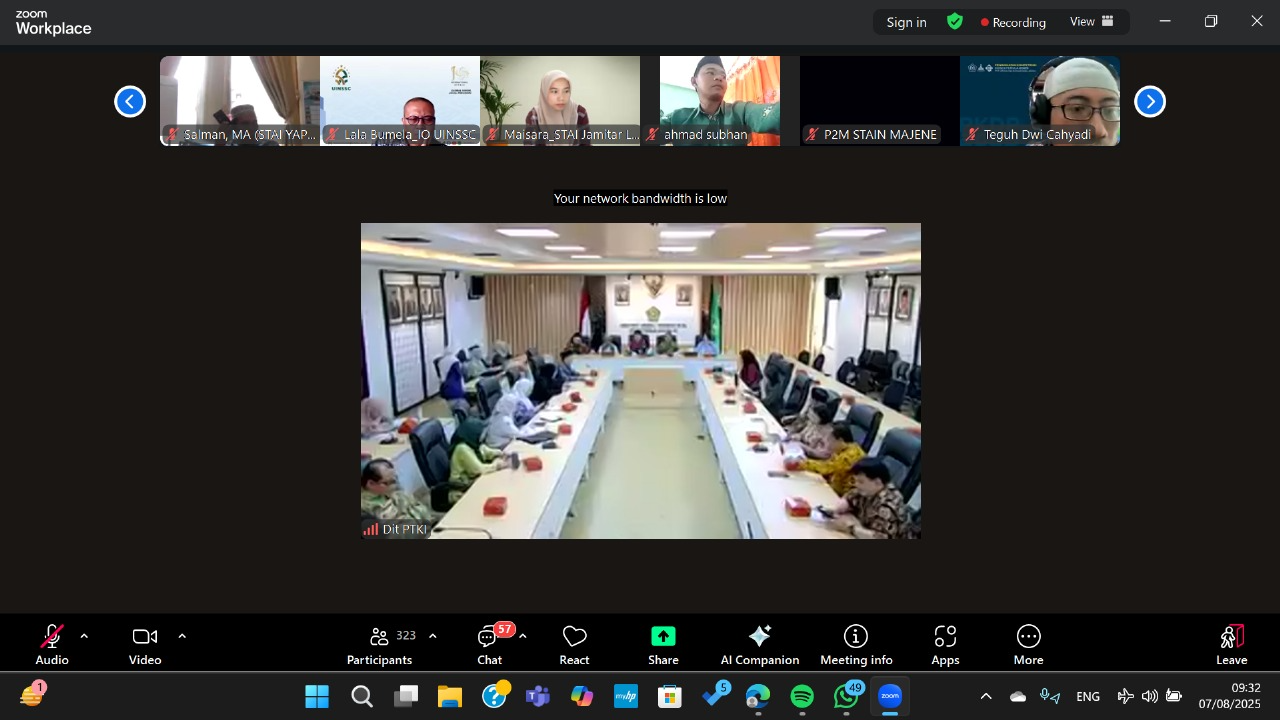
Cirebon, 07 August 2025 — Representatives from the International Office, along with senior officials from the Directorate of Islamic Higher Education (PTKI), attended a high-level forum led by the Minister of Religious Affairs of the Republic of Indonesia, also attended by delegates from the British Embassy in Jakarta. This forum marked a significant momentum in promoting strategic cooperation between the Ministry of Religious Affairs and the UK Government in the field of higher education. In his remarks, the Minister of Religious Affairs emphasized the government's commitment to strengthening the global network of Islamic higher education and welcomed international collaboration opportunities with institutional readiness and improved human resource quality.
On this occasion, International Offices from various universities reaffirmed their role as key drivers of higher education internationalization. Through various programs such as student mobility, visiting professor schemes, and cross-country research collaborations, the partnership with the UK aligns with the strategic direction of Islamic higher education development. The International Office also plays an active role in designing, following up, and supporting initiatives arising from this partnership.
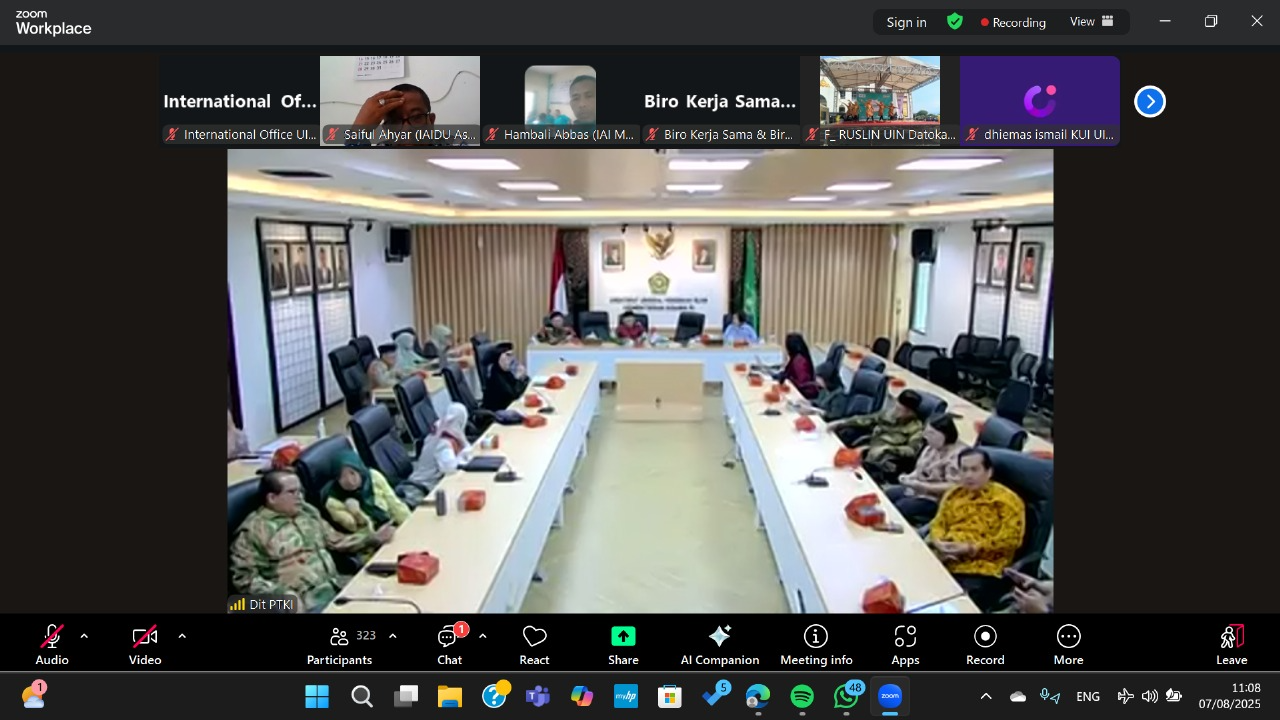
The planned collaboration between the Ministry of Religious Affairs and the UK Government covers a wide scope. In addition to scholarship programs from undergraduate to doctoral levels, the cooperation will also include academic exchange, research funding, and human resource development. The International Office has already begun mapping relevant and impactful collaboration programs in coordination with university leadership. This step demonstrates a serious commitment to ensuring that the designed programs are truly aligned with the needs and potential of Islamic higher education institutions.
One of the initial cooperation programs introduced is the Shifting Scholarship from the UK, targeting lecturers and education staff under the Ministry of Religious Affairs. Although a formal Memorandum of Understanding (MoU) has not yet been signed, the program is seen as a promising opportunity and is open to both state and private Islamic universities (PTKIN and PTKIS). The International Office warmly welcomes this initiative as a promising first step in strengthening the human resource capacity of Islamic higher education institutions.
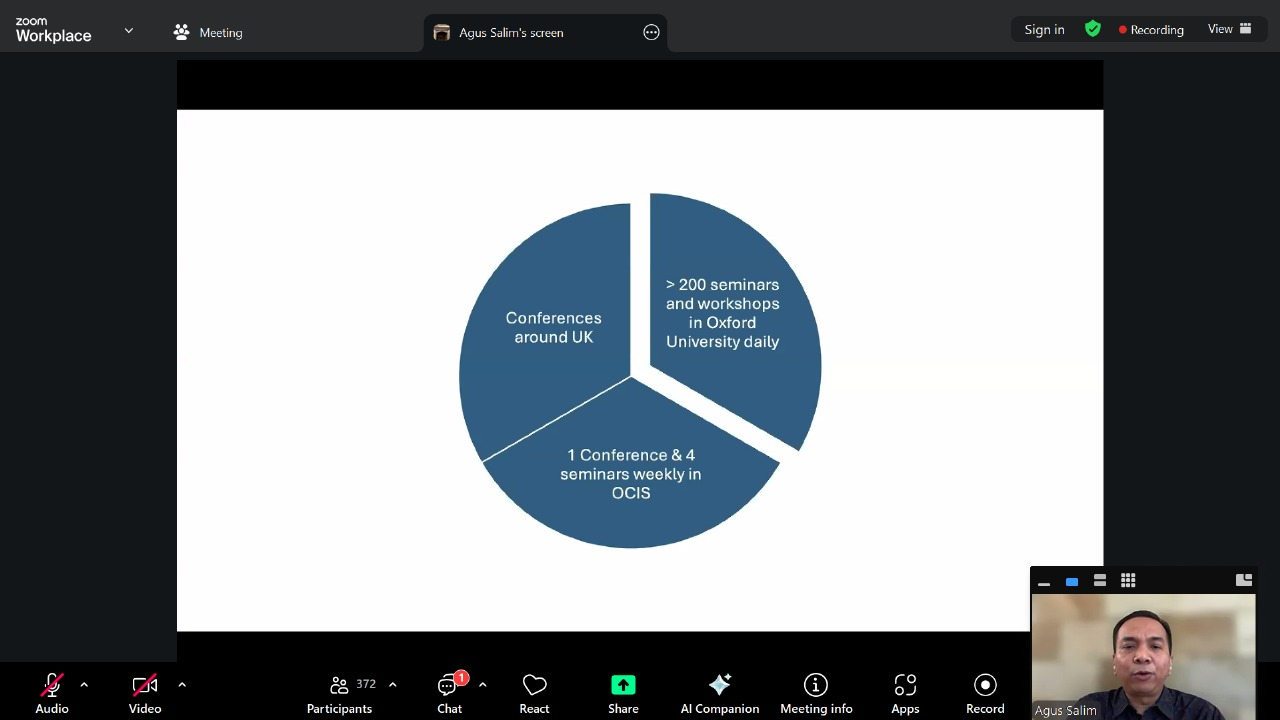
In addition, the cooperation includes the prestigious Chevening Scholarship program, co-funded by the UK Government and the Ministry of Religious Affairs. This program offers a one-year master’s study opportunity in the UK for bachelor's graduates with at least two years of work experience, including lecturers and academic staff. Another opportunity comes from OCIS (Oxford Centre for Islamic Studies), which provides a six-month research opportunity in the UK for lecturers holding doctoral degrees. The British Embassy explained that their two main teams—from the education policy sector and the Department for Business & Trade—are ready to facilitate these collaborative programs.
The International Office views this cooperation not only as a human resource exchange program but also as part of global education diplomacy. Indonesia is also expected to host international students and researchers who wish to study moderate and inclusive Islam. In the long term, these international alumni are expected to become influential figures in their respective countries—just as many Indonesian alumni now hold strategic positions in ministries, universities, and national institutions.
International collaboration has indeed become a cornerstone of the International Office’s mission. Dual degree programs previously implemented between state Islamic universities such as UIN Sunan Kalijaga Yogyakarta and UIN Makassar with UK universities such as the University of Edinburgh and SOAS, University of London, stand as clear evidence of the success of such partnerships. These programs demand not only high academic standards but also strong English proficiency, with minimum IELTS requirements ranging from 6.5 to 7.0.
As stated by the Minister of Religious Affairs, the collaboration with the UK is not merely ceremonial, but a serious investment in the future of Islamic higher education. The Directorate of PTKI, together with the International Office, is currently finalizing the cooperation draft to be submitted for approval by both parties. If agreed upon, this MoU will serve as a foundation for various impactful programs. With support from all stakeholders, the International Office is optimistic that this collaboration will become a major milestone in bringing Indonesia's Islamic higher education onto the global stage.
Authors: Cindi Aulia, Nok Dini Wulan Ramadani