
Strengthening Moderation, Environmental Ethics, and Regenerative Thinking: Insights from the Second Day of the International Seminar and Workshops 2025 at International Office of UIN SSC
Cirebon, December 3, 2025 — The International Office of UIN Siber Syekh Nurjati Cirebon successfully continued the International Seminar and Workshops 2025 under the theme “Returning to the Circle: A Regenerative Pathway Beyond Technocratic Sustainable Development Goals” on its second day. Held at the International Office on the 5th floor of the Cyber Building, the event welcomed the Director of the International Office, Lala Bumela Sudimantara, Ph.D., the keynote speakers Ivan Chabibillah, M.Li from the International Cultural Communication Center Malaysia (ICCCM), and Syarifuddin, S.S., a government servant of Cirebon City, also the Global Engagement Team. The day opened with a keynote session by Ivan Chabibillah, moderated by Tsamara Bahira Alzena. His presentation introduced the concept of Wasathiyah, a moderate religious perspective that promotes balance, tolerance, and dialogue. Ivan emphasized that moderation is essential in preventing extremism and fostering harmonious interfaith relations. His warm presence and dynamic approach set an engaging tone for the rest of the program.
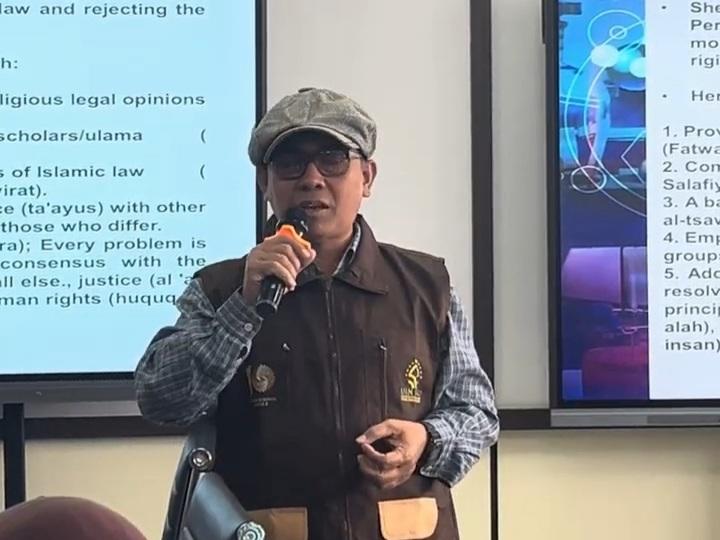
Ivan’s session centered on how moderation in religious practice becomes a foundation for peaceful coexistence and interfaith understanding. He explained that Wasathiyah encourages religious communities to avoid extreme tendencies and instead cultivate empathy and openness toward others. Throughout his delivery, Ivan frequently involved the audience in discussion, making the session interactive and lively. His playful approach and relatable explanations kept participants attentive and comfortable. Before transitioning to the Q&A session, Ivan divided the audience into three groups and assigned each group a video depicting different religious phenomena, asking them to analyze and share their perspectives. This activity allowed participants to connect theoretical concepts with real social contexts. The discussion culminated in thoughtful reflections and enthusiastic responses from the audience, setting the stage for a deeply meaningful exchange.
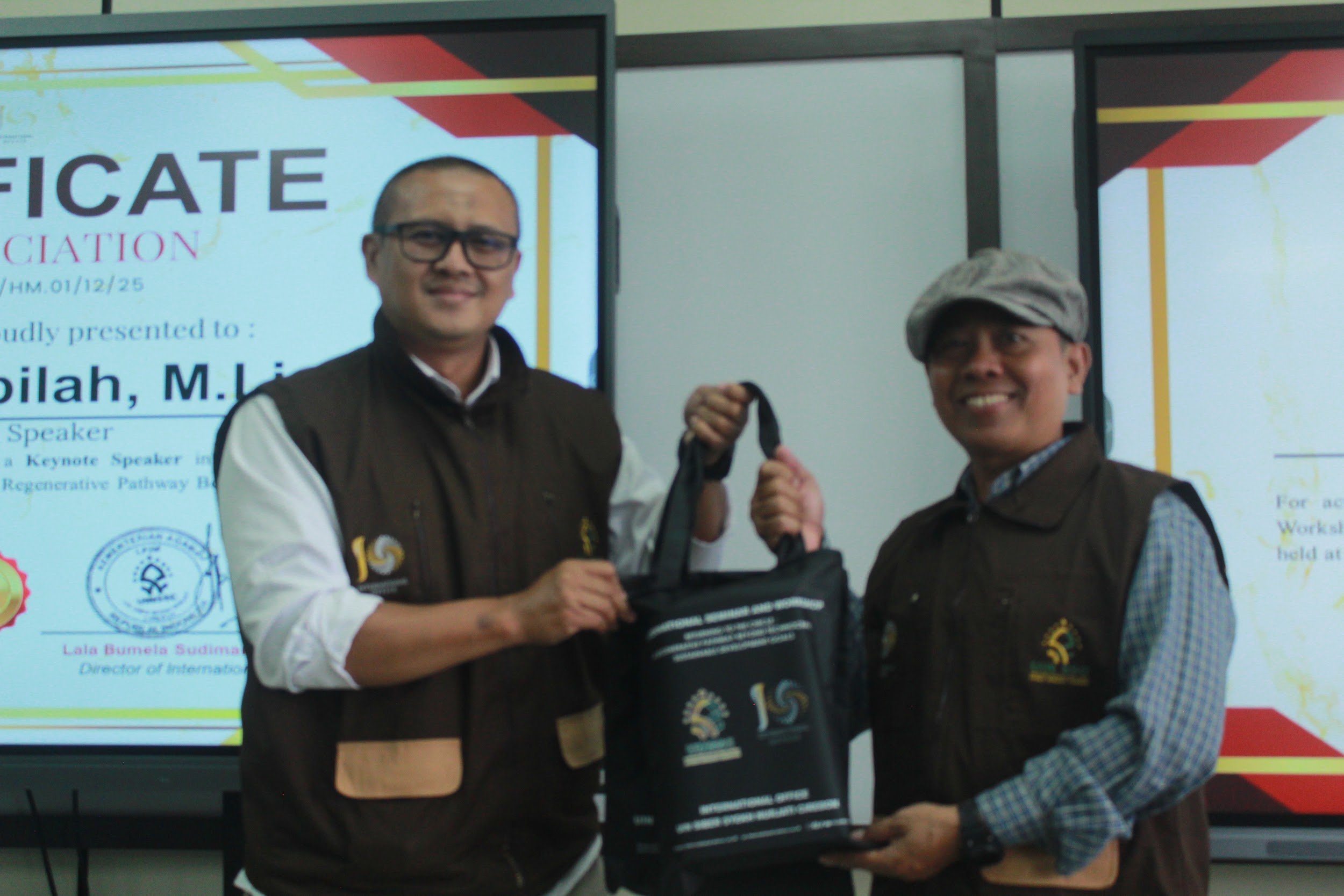
The Q&A session further demonstrated the audience’s strong engagement, with participants eager to pose questions and explore the concept of moderation more deeply. Ivan responded with clarity, offering real-world examples to illustrate how Wasathiyah can be practiced in daily life and multi-faith interactions. His insights emphasized how tolerance and appreciation are essential pillars in preventing prejudice and fostering interreligious harmony. At the end of the session, Ivan left the audience with a powerful message that encapsulated his entire presentation, “Be religious, don’t be extreme! The most beloved religion to Allah is one that is firm but tolerant.” This message resonated strongly with the participants, highlighting the urgency of adopting moderation in an era characterized by polarization. The session concluded with the presentation of an e-certificate and souvenir by the Director of the International Office, Lala Bumela Sudimantara, Ph.D. The keynote established a reflective and collaborative atmosphere that carried into the afternoon.
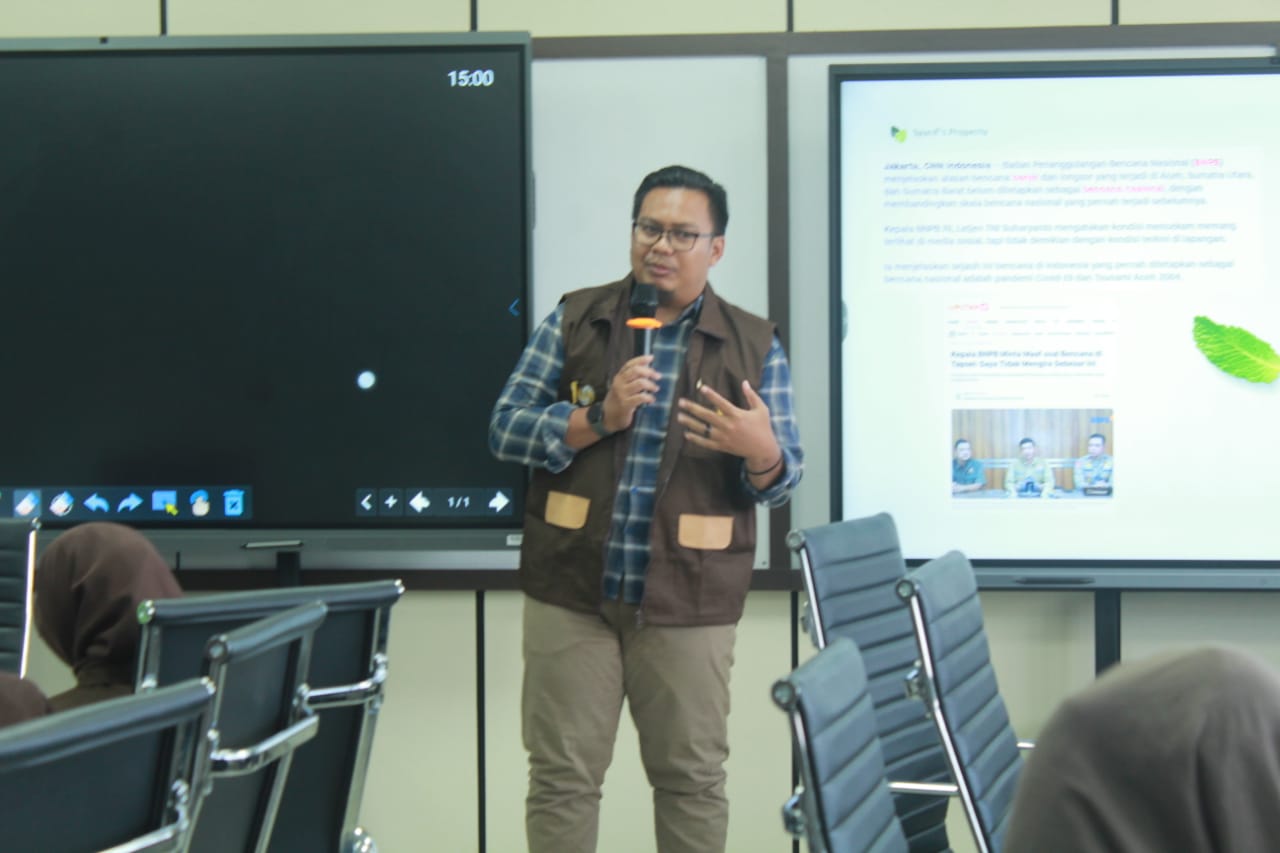
After the lunch break, the program resumed with the second keynote session delivered by Syarifuddin, S.S., moderated by Cahya Salsabilla. His presentation explored how environmental ethics can prevent the failure of the Sustainable Development Goals (SDGs). Highlighting the current ecological challenges in Indonesia—including disasters caused by human negligence—he emphasized the importance of cultivating environmental awareness among younger generations. Syarifuddin encouraged participants to reflect on their personal relationship with nature and how their actions contribute to environmental degradation or preservation. He connected three ethical theories—deontology (duty-based ethics), teleology (consequence-based ethics), and virtue ethics (moral character development)—with ecological responsibility. He concluded this section by inviting participants to question themselves critically, asking, “Where do you think we currently stand?” This question prompted participants to contemplate their moral positioning regarding environmental stewardship.
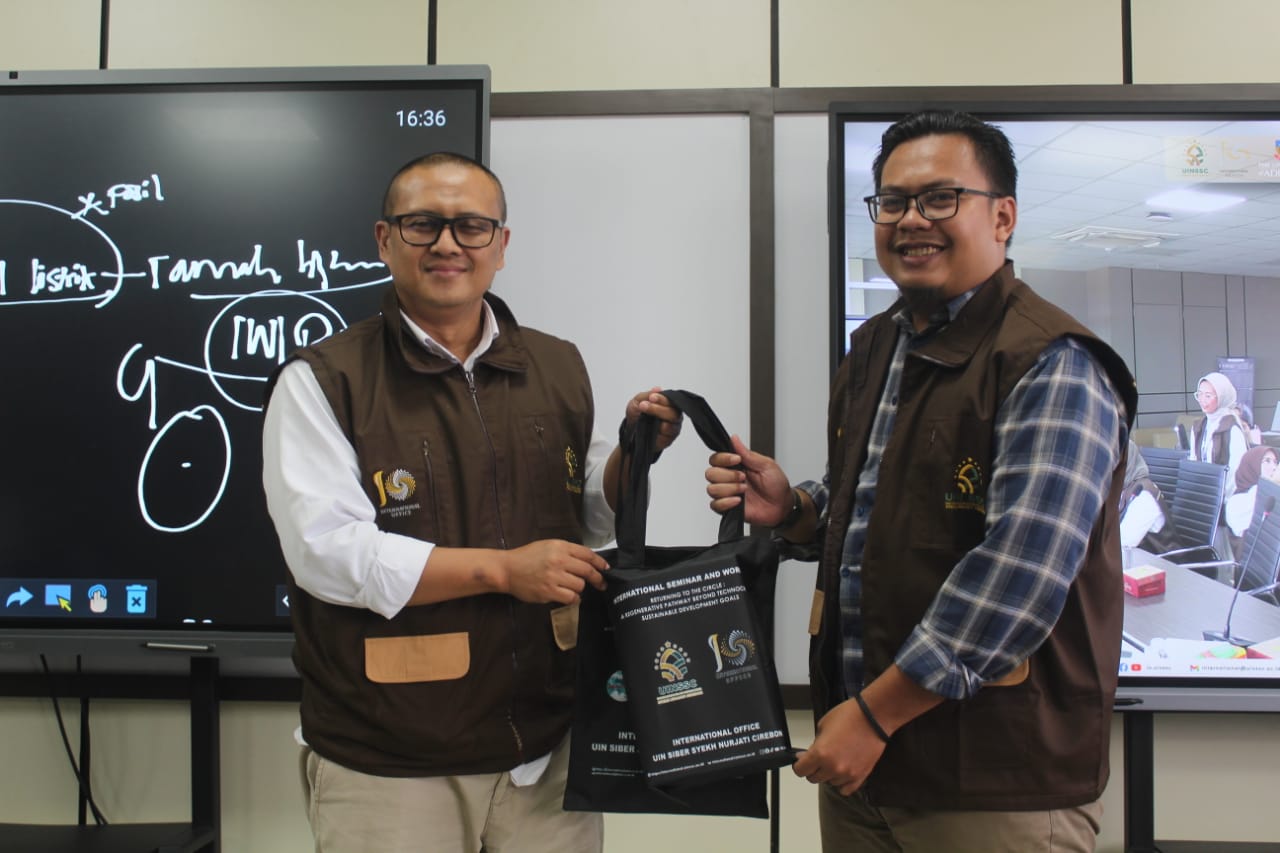
Before entering the Q&A session, Syarifuddin conducted a “book discussion” segment, which deepened the emotional and intellectual resonance of his presentation. He brought five books: three by Emha Ainun Nadjib—Gelandangan di Kampung Sendiri, Iblis Nusantara Dajjal Dunia, and Slilit sang Kiai; Why Nations Fail by Daron Acemoglu and James A. Robinson; and Reset Indonesia: Gagasan tentang Indonesia Baru by Farid Gaban and Dandhy Laksono. He read selected excerpts from each book, connecting their messages to themes of environmental ethics, national responsibility, and human behavior toward nature. These readings offered powerful reminders of the moral and structural challenges faced by contemporary society, especially in relation to ecological destruction. The audience became visibly moved, engaging with the material on a deeper personal level. During the Q&A session, participants actively asked questions, and Syarifuddin rewarded two questioners with books. The session closed with the presentation of an e-certificate and souvenir by the Director of the International Office, reinforcing the collaborative spirit of the event.
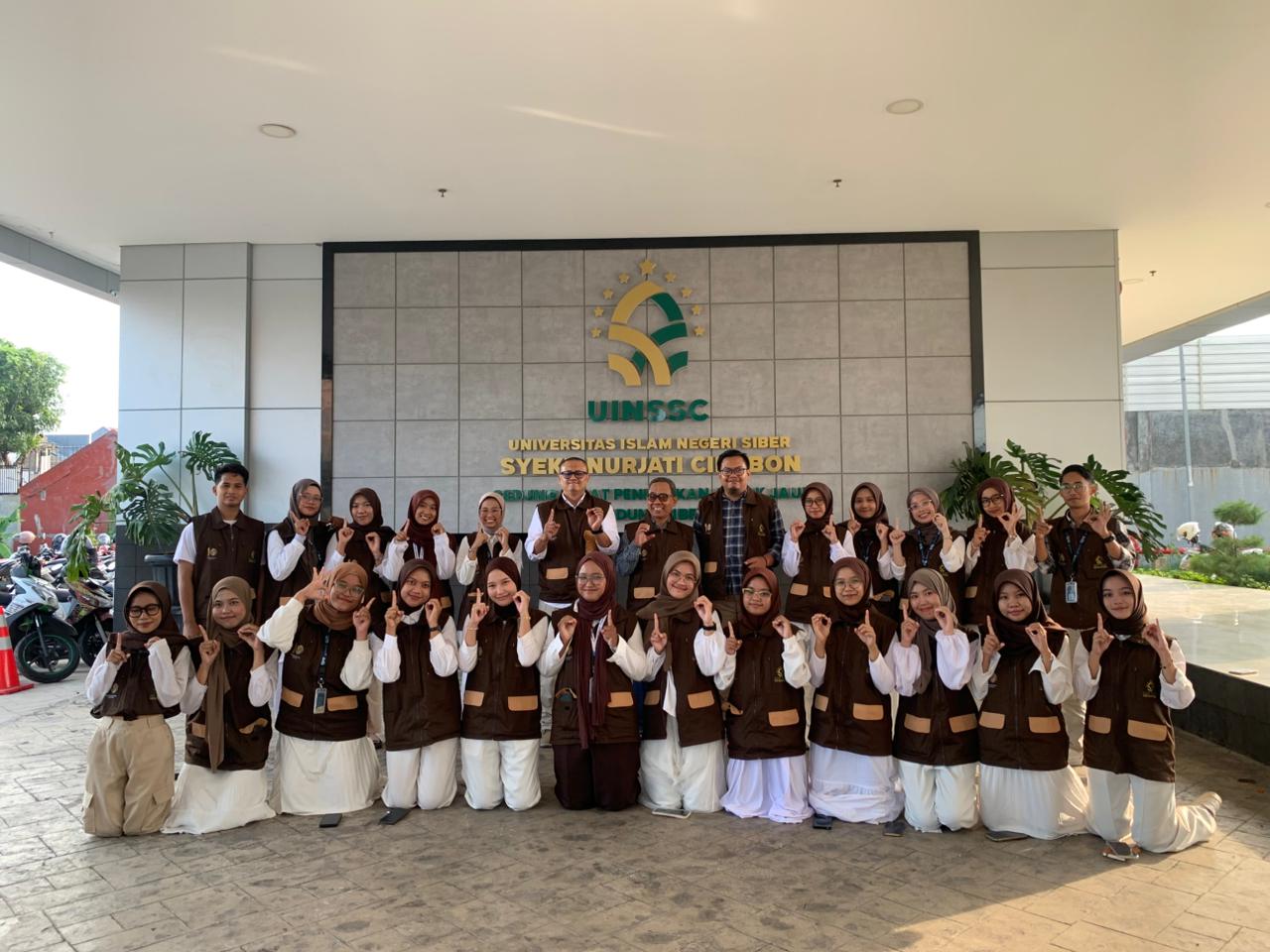
The second day of the International Seminar and Workshops ultimately provided significant learning opportunities that encouraged participants to reflect critically on moderation, environmental responsibility, and the interconnectedness of cultural and ecological systems. The subjects discussed remained closely aligned with the themes introduced during the first day—particularly the insights from Didin Misbahuddin, S.Hum., on Carita Pantun and from Sukad on the ecological guardianship of Mount Ciremai. Ivan’s emphasis on moderation and interfaith dialogue, combined with Syarifuddin’s exploration of environmental ethics, offered a holistic framework that enriched the participants’ understanding of regenerative thinking. These discussions also served as a conceptual bridge preparing participants for the third day of the program, which would feature keynote presentations from Prof. Rudolf Wirawan of Adelaide University, Australia, on regenerative pathways beyond technocratic SDGs, and from Luqman Baehaqi, Ph.D., of UIN Palangka Raya on Beyond Linear Teaching: A Circular, Multisensory Approach to ELT for a Regenerative Future. The continuity across days exemplified the event’s commitment to fostering sustainable, ethical, and culturally rooted approaches for a regenerative future.
Author: Salsabilla