
The International Office of UIN Siber Syekh Nurjati Cirebon Convenes “Returning to the Circle”: A Three-Day International Seminar and Workshop Synthesizing Sundanese Ancestral Knowledge, the BIMA Framework, and Regenerative Pedagogy as a Holistic Alternative to Technocratic Sustainable Development
Cirebon, December 5, 2025 – Building upon the momentum of the successful AsiaCALL International Conference 2025 that welcomed global experts in language education and technology, the International Office of UIN Siber Syekh Nurjati Cirebon hosted a transformative three-day International Seminar and Workshop titled “Returning to the Circle: A Regenerative Pathway Beyond Technocratic Sustainable Development Goals.” Held from December 2-4, 2025, in International Office on the 5th floor of Cyber Building, the event convened distinguished scholars including Lala Bumela Sudimantara, Ph.D. (Director of International Office), Prof. Dr. Rudolf Wirawan (University of Adelaide, Australia), Luqman Baehaqi, Ph.D. (UIN Palangkaraya), Didin Mishbahuddin (Sundanese cultural expert), Sukad (Spiritual Elder and Guardian of Saragahiang from Kuningan), Ivan Chabibillah, S.S., M.Li. (ICCCM Malaysia), Syarifuddin, S.S. (Cirebon Regional Secretariat), representatives from Hakim Ventura International including Aries Endri Susanto, S.T., M.E. and Nur’aeni, S.E., M.E. Members of the Global Engagement Team also attended and supported as an audience and committee.
This gathering transformed theoretical insights from AsiaCALL into concrete frameworks addressing Indonesia’s escalating ecological crisis, positioning UINSSC as a pioneer in bridging ancestral wisdom with contemporary sustainability science. The seminar underscored how language, technology, and ecological stewardship form interconnected pillars for regenerative futures. Reflecting on the ecological crisis facing Indonesia today, Lala Bumela, Ph.D. observed: "Given our current environmental challenges, all learning must return to nature itself. Our collaboration with Mr. Didin and Mr. Sukad has revealed how Carita Pantun encodes profound knowledge about agriculture, economics, legal systems, and even disaster mitigation, wisdom now formally recognized by UNESCO in their ancestral knowledge documentation."
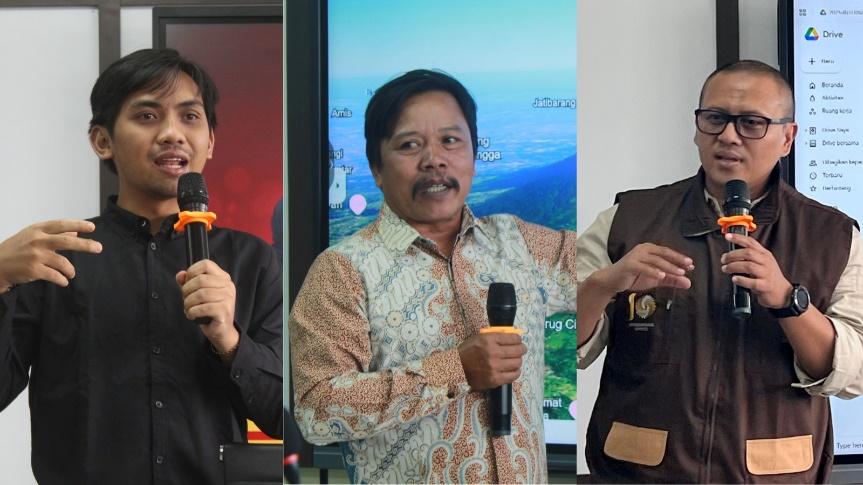
The inaugural day centered on Sundanese oral traditions as repositories of ecological intelligence, featuring profound presentations by Didin Mishbahuddin and Spiritual Elder, Mr. Sukad. Didin revealed how Carita Pantun functions as dynamic knowledge architecture encoding environmental monitoring systems through performative narratives. His analysis of the uga Kebon Awi prophecy—which predicted the 2019 Celedug floods through symbolic references to bayam trees and white snakes—demonstrated how ancestral communities encoded sophisticated early-warning systems within oral traditions. Sukad grounded these insights in tangible ecological wisdom tied to Mount Ciremai’s sacred geography, articulating its tripartite division (larangan, tutupan, and baladahan) as a sophisticated resource management system. His testimony connected spiritual stewardship with scientific validity: “Traditional calculations measure the mountain’s slope in degrees, divided by seven then multiplied by nine. From any water source upward approximately 100 meters is protected territory where nothing can be disturbed.” These presentations transformed abstract sustainability concepts into actionable frameworks rooted in place-based knowledge.
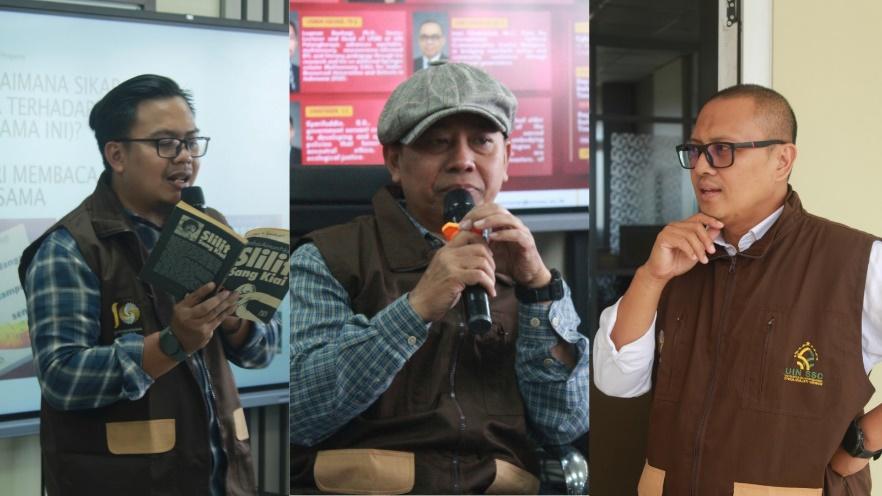
Day two deepened the ecological discourse through interfaith dialogue and environmental ethics, featuring keynote addresses by Ivan Chabibillah, M.Li and Syarifuddin, S.S. Ivan introduced Wasathiyah, a moderate religious perspective promoting balance and tolerance as essential for preventing extremism and fostering interfaith harmony in environmental stewardship. His interactive session divided participants into groups analyzing videos depicting religious phenomena, fostering practical application of moderation principles. Syarifuddin connected ethical theories with ecological responsibility, exploring how deontology, teleology, and virtue ethics could prevent SDG failures. His powerful “book discussion” segment featuring works by Emha Ainun Nadjib and Reset Indonesia moved participants to tears, highlighting the moral dimensions of ecological destruction. Aries Endri Susanto, S.T., M.E. reflected on how these sessions transformed his understanding: “Only after seeing barren landscapes in Cambodia could I finally feel the meaning of ‘Indonesia Raya’ in our national anthem. When I returned and sang it, I wept.” This emotional testimony underscored how ecological awareness transcends technical frameworks to become spiritual awakening.
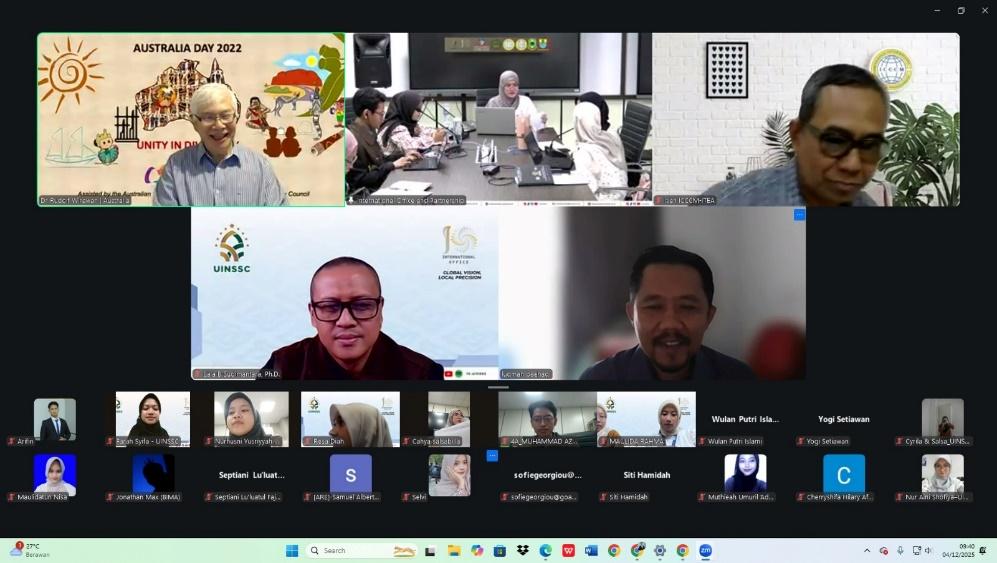
The final day synthesized ancestral wisdom with contemporary frameworks through keynote presentations by Prof. Dr. Rudolf Wirawan and Luqman Baehaqi, Ph.D. Prof. Wirawan critiqued technocratic approaches to SDGs, introducing the BIMA Framework (Bridging Intelligence, Mindfulness, and Awareness) as a holistic alternative rooted in Yin-Yang philosophy. He challenged linear paradigms: “Returning to the circle requires us to integrate the non-linear intelligence of our ancestors, the relational knowledge encoded in Carita Pantun and Lutung Kasarung, and contemporary spiral-thinking frameworks like BIMA.” Luqman Baehaqi extended this vision to education, proposing circular multisensory approaches to English Language Teaching that replace fragmented, target-based models with embodied learning cycles. His practical demonstrations of Sensory Story Circles and Walking Dialogues showcased how classrooms can become regenerative ecosystems.
The seminar’s urgency resonated through every session as speakers addressed Indonesia’s ecological crisis with unprecedented clarity. Prof. Rudolf Wirawan contextualized recent disasters, noting how technocratic approaches ignore the cyclical nature of ecosystems. Sukad demonstrated how protected watersheds in Kuningan prevent floods in Cirebon and Indramayu, warning that “When these systems are disrupted, communities downstream will face water crises.” Luqman Baehaqi, Ph.D. connected linguistic diversity with ecological resilience, arguing that standardization erases not just language but environmental knowledge embedded within it. These insights reframed sustainability not as technical optimization but as relational restoration, reconnecting humans with natural cycles, communities with ancestral wisdom, and education with embodied experience. The International Office documented concrete action points including curriculum integrations and community partnerships, transforming theoretical discourse into tangible pathways for regenerative action.
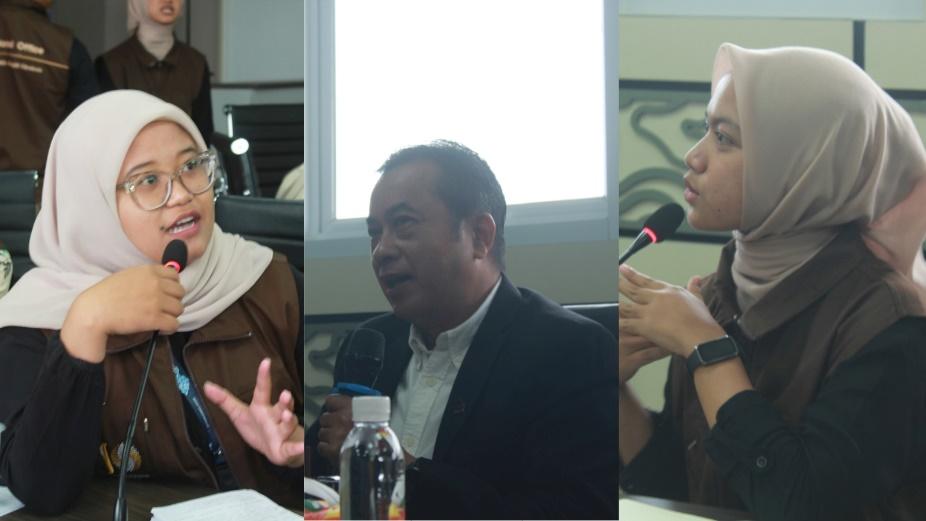
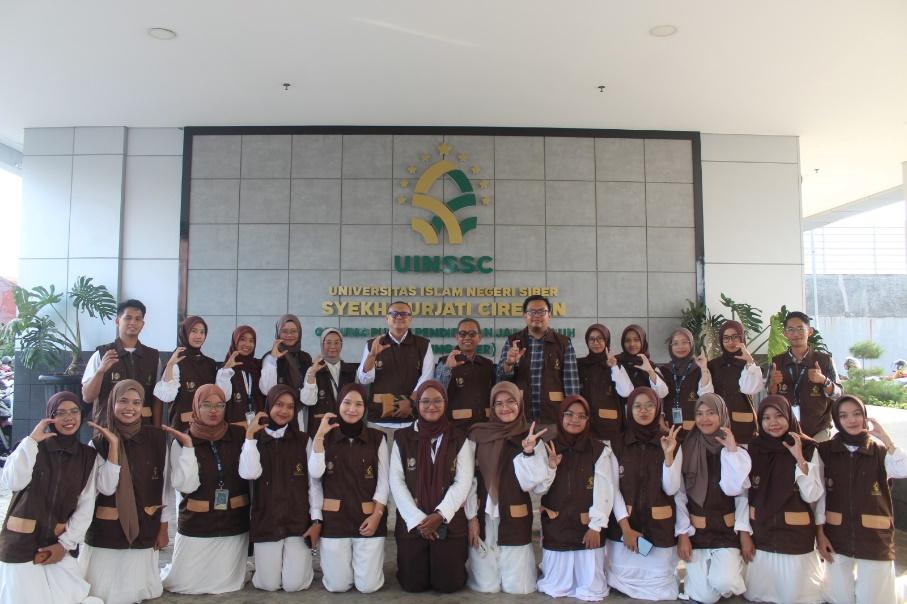
Lala Bumela Sudimantara, Ph.D. closed the seminar with a visionary call to action: “IO UINSSC manifests ancestral principles of spiral learning and ecological ethics through concrete programs that restore Cirebon as a knowledge hub, echoing our forebears’ vision now actualized through UIN Siber Syekh Nurjati Cirebon.” His leadership positioned the university not as a passive recipient of global knowledge but as an active contributor of Indonesian wisdom to worldwide sustainability discourse. Aries Endri Susanto, S.T., M.E. approached Lala Bumela Sudimantara, Ph.D. with renewed purpose: “Seminars like this must be conducted frequently across Indonesia. When traditional ecological knowledge meets corporate resources, we can address sustainability challenges neither could solve alone.” The seminar may have concluded, but its true impact will be measured in the coming months and years as these ideas take root and transform educational practices across Indonesia and beyond.
Author: Resa Diah Gayatri