
The Journey Beyond Borders: Nigerian SN-GES 2025 Scholars Receive Academic Consultation from International Office UIN SSC to Sustain Educational Excellence in Indonesia
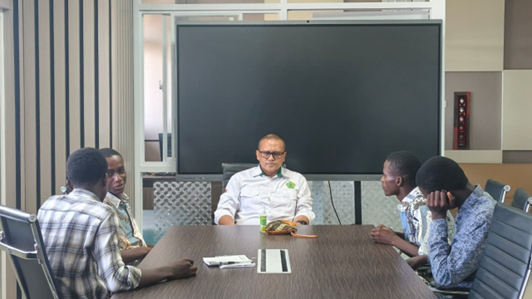
Cirebon, October, 13th 2025 — In a continuing effort to uphold academic excellence and inclusivity, Nigerian scholars under the Syekh Nurjati Global Excellent Scholarship (SN-GES) 2025 engaged in a consultation session with Lala Bumela, Ph.D., Director of the International Office, along with the Global Engagement Team of UIN Siber Syekh Nurjati Cirebon. The meeting addressed the academic challenges faced by the scholars as they navigate Indonesia’s higher education environment. The International Office reaffirmed its dedication to fostering an ecosystem of care, cultural understanding, and academic resilience. Lala Bumela, Ph.D. expressed, “Our role is not only to guide but to accompany — to ensure every international student feels seen, supported, and empowered to thrive.”
Adjusting to a new academic system has been both enlightening and challenging for the Nigerian students. From differences in learning methodologies and classroom dynamics to adapting to Indonesia’s curriculum and digital learning system, their journey is one of adaptation and perseverance. They have also had to balance academic performance with cultural integration and personal well-being — all while being far from home. Yet, they understood that these difficulties were integral to their growth process, serving as stepping stones toward becoming globally competent learners. The consultation allowed them to voice their concerns openly, with the assurance that their struggles were met with empathy and practical solutions.
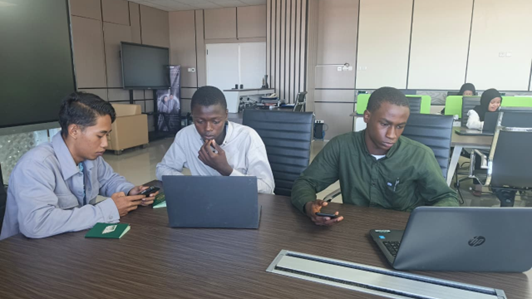
Reflecting on the dialogue with the students, Lala Bumela, Ph.D. emphasized the importance of building two-way communication between scholars and the institution. “Education is a shared journey — the more we listen, the more we grow together,” he said. His statement underlined the International Office’s commitment to active engagement, ensuring that international students are not only academically guided but emotionally supported throughout their studies. The open discussion encouraged mutual understanding, where both parties recognized the value of patience, adaptability, and continuous improvement.
During the session, the Global Engagement Team (GET) presented several academic and personal development strategies tailored for the Nigerian scholars. These included peer mentoring programs, academic writing clinics, and digital literacy workshops designed to bridge any gaps in research and communication skills. The IO also facilitated cultural exchange initiatives, encouraging collaboration with Indonesian students to strengthen intercultural competence. The team’s holistic approach ensured that academic excellence would not stand apart from emotional and social well-being, fostering an environment where diversity becomes a foundation for unity and innovation.
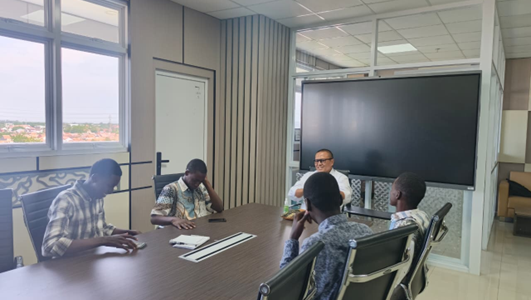
As a result of this collaborative effort, the Nigerian SN-GES scholars expressed renewed motivation and clarity in managing their studies. The consultation not only provided practical solutions to academic issues but also built a sense of belonging within the UIN SSC community. With the guidance of the International Office and the GET, they are now better equipped to navigate academic challenges with confidence, determination, and a deeper understanding of Indonesian educational values. This strengthened partnership also reflects UIN SSC’s growing commitment to global student welfare, ensuring that internationalization is anchored in empathy and inclusivity.
Summing up the spirit of the consultation, Lala Bumela, Ph.D. stated, “International education is not just about crossing borders — it’s about connecting hearts and expanding minds. When students feel supported, they don’t just succeed; they inspire others to do the same.” His reflection captured the essence of UIN SSC’s vision: to be a home for scholars from all nations, where knowledge, compassion, and resilience unite to shape a better, more inclusive world.
Author: Muhammad Azkiya Bahtsulkhoir