
Transformative Pedagogy: Lala Bumela at UIN SSC Designs a Creative Writing Course Embedding Sundanese Cosmology and Eco Poetry Values to Align with the BIMA Framework
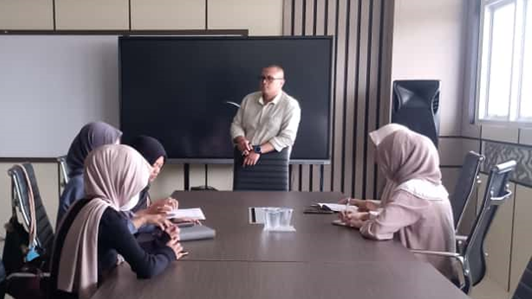
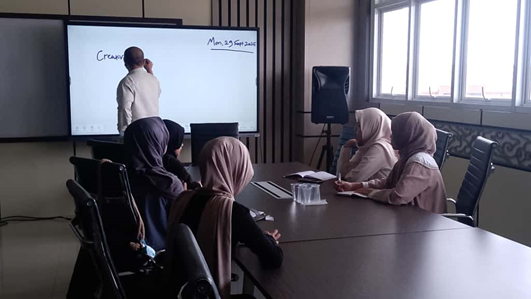
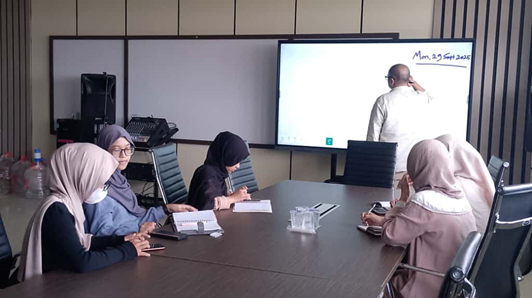
Cirebon, September, 29th 2025 — Lala Bumela, Ph.D., director of the International Office at UIN Siber Syekh Nurjati Cirebon, has initiated a groundbreaking approach to the Creative Writing course curriculum. By integrating Sundanese cosmology and eco-poetry, he aligns the course’s core values with the BIMA Framework (Bridging Intelligence, Mindfulness, and Awareness), originally introduced by Professor Rudolf Wirawan from the University of Adelaide, Australia. According to Lala Bumela, this curriculum is designed not merely as an academic exercise but as a life-oriented learning process, embodying the principles of life-long learning. “We aim to take students beyond the classroom walls,” he emphasizes. “This is about fostering a deep connection between self, community, and the environment through creative engagement.” The classes are planned to take place naturally, with students engaging directly with the environment at Sagarahiang, Kuningan. Here, they will reflect on past educational experiences encoded in nature itself, creating a bridge between the past, present, and future. Natural sites, including sacred lingga stones and surrounding flora, will serve as a living database, offering students tangible touchpoints for reflection and creativity. In recent planning meetings attended by the person-in-charge (PIC) from each class, Lala Bumela encouraged participants to “gather, immerse, and feel the atmosphere of deep transformation,” setting the tone for an experiential pedagogical approach.
The Creative Writing course under Lala Bumela’s guidance takes a distinctly immersive approach, emphasizing sensory and emotional engagement with the natural world. Students are encouraged to write not only with their minds but with their entire being, observing patterns in flora, listening to the flow of water, and noting the subtleties of wind across the hills. This hands-on method aims to connect cognitive development with reflective awareness, allowing learners to internalize lessons through lived experience. The Sundanese cosmological perspective provides a narrative framework for understanding human existence as part of a dynamic, interconnected environment, while eco-poetry exercises guide students to articulate their observations poetically, blending intellect with aesthetic sensibility.
During fieldwork, students often gather around natural sites considered sacred, such as lingga stones, which carry historical and spiritual significance. Lala Bumela notes, “We encourage students to see these sites not merely as objects, but as repositories of memory and wisdom. Each stone, each tree tells a story, and our task is to translate that story through reflective and creative writing.” In this course, eco-poetry is recognized as a key medium, connecting students with the environmental knowledge and cultural values preserved by previous generations. This approach allows learners to engage deeply with nature, fostering reflection, creativity, and a profound sense of interconnectedness with both the environment and the ancestral wisdom embedded within it.
The BIMA Framework serves as a guiding principle throughout the course, fostering intellectual engagement (Bridging Intelligence), attentive observation (Mindfulness), and reflective understanding (Awareness). By embedding these pillars into practical exercises, the curriculum seeks to transcend conventional lecture-based learning. Field exercises at Sagarahiang allow students to perceive environmental patterns, ecological interdependence, and historical context, cultivating analytical thinking alongside personal growth. The course design emphasizes sustainability, both of the environment and of knowledge, by integrating eco-conscious practices into everyday learning.
The experiential pedagogy also strengthens collaboration among students, fostering peer-to-peer learning through shared observations and creative output. Lala Bumela envisions the class as a microcosm of a larger societal model, where reflective practice, creativity, and environmental awareness converge. Students’ engagement extends beyond writing exercises to include community interaction, storytelling sessions, and dialogue with local custodians of cultural heritage, deepening the integration of traditional wisdom into contemporary academic frameworks.
By pioneering this integrative approach, Lala Bumela has positioned UIN SSC at the forefront of transformative pedagogy, merging traditional wisdom, ecological awareness, and creative expression. He concludes, “Our goal is not only to teach writing, but to nurture individuals who are attuned to the rhythms of nature, aware of cultural legacies, and capable of bridging intelligence with mindful action. This is the essence of a life-long learning journey, and through this course, students will carry these lessons into every aspect of their lives.” Through this initiative, the university demonstrates its commitment to innovation in higher education, creating an educational experience that is deeply reflective, culturally grounded, and ecologically conscious.
Author: Muhammad Azkiya Bahtsulkhoir