
UIN Siber Syekh Nurjati Cirebon Successfully Hosts the Prestigious 22nd AsiaCALL International Conference 2025, Marking a Major Leap Forward in Global Academic Collaboration and Digital Language-Learning Innovation
Cirebon, November 15, 2025 — UIN Siber Syekh Nurjati Cirebon successfully hosted the prestigious 22nd AsiaCALL International Conference 2025, marking a proud milestone in the university’s expanding global academic engagement. The event opened under the warm guidance of Yusi Selmi, S.H., and Diah Whyat Ayuningsih, S.Sos., proud alumni of UIN Siber Syekh Nurjati Cirebon who served as professional MCs throughout the ceremony. Their refined delivery, supported by the disciplined coordination of the Global Engagement Team and Korps Protokoler Mahasiswa (KPM), ensured a smooth and well-orchestrated flow of events. The program began with the opening speech from Lala Bumela Sudimantara, Ph.D., Conference President and Director of the International Office, who emphasized that, “AsiaCALL belongs to us, and as technology reshapes language education, human dignity, cultural rootedness, and pedagogical integrity must remain at the core.” His statement set an intellectually grounded and humanistic tone for the day. The welcoming remarks followed by Prof. Andrew Lian, Ph.D., President of AsiaCALL, who expressed deep appreciation to UIN SSC, the speakers, and all contributors supporting the event’s success. Representing the Rector, Prof. Dr. Hj. Ria Yulia Gloria, M.Pd., Head of Quality Assurance, reaffirmed UIN SSC’s commitment to global collaboration and high academic standards. A traditional dance performance by local artists concluded the opening segment, welcoming guests with Cirebon’s rich cultural heritage and blending artistry with academic purpose.
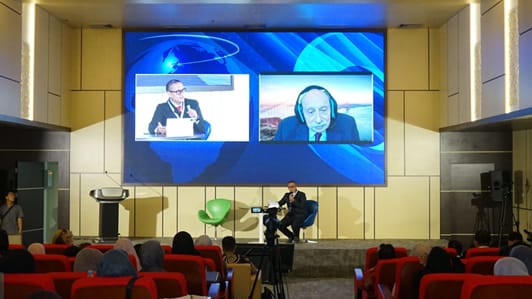
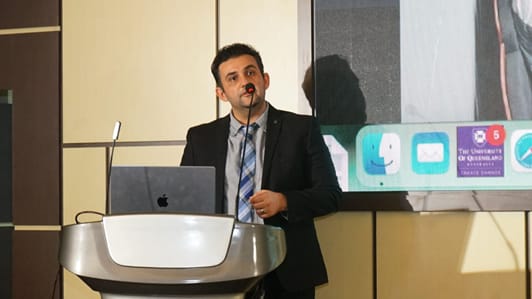
The main conference program progressed with the first keynote address delivered by Prof. Andrew Lian, Ph.D., titled “When Machine Understands: The Convergence of Human and Artificial Comprehension — Toward a Post-CALL Epistemology.” Moderated by Lala Bumela Sudimantara, Ph.D., the session offered a visionary look at the evolving relationship between human cognition and artificial intelligence in language education. Prof. Lian encouraged scholars to embrace new epistemological frameworks that integrate machine intelligence with reflective pedagogy. The momentum continued with a keynote by Assoc. Prof. Hassan Khosravi, Ph.D., Vice President for Administrative Affairs of AsiaCALL from The University of Queensland, who spoke on “The AI Disruption: What It Means for Work and Education.” Moderated by Ivo Dinasta Yanuar, M.Appling., Secretary of the International Office, the presentation examined the far-reaching implications of AI for institutional policy and the global workforce. Participants raised critical questions related to ethics, academic governance, and future-ready strategies, stimulating a lively academic dialogue. Together, these keynote sessions established a strong intellectual foundation for the rest of the conference and reflected AsiaCALL’s long-standing commitment to pioneering research in educational technology.
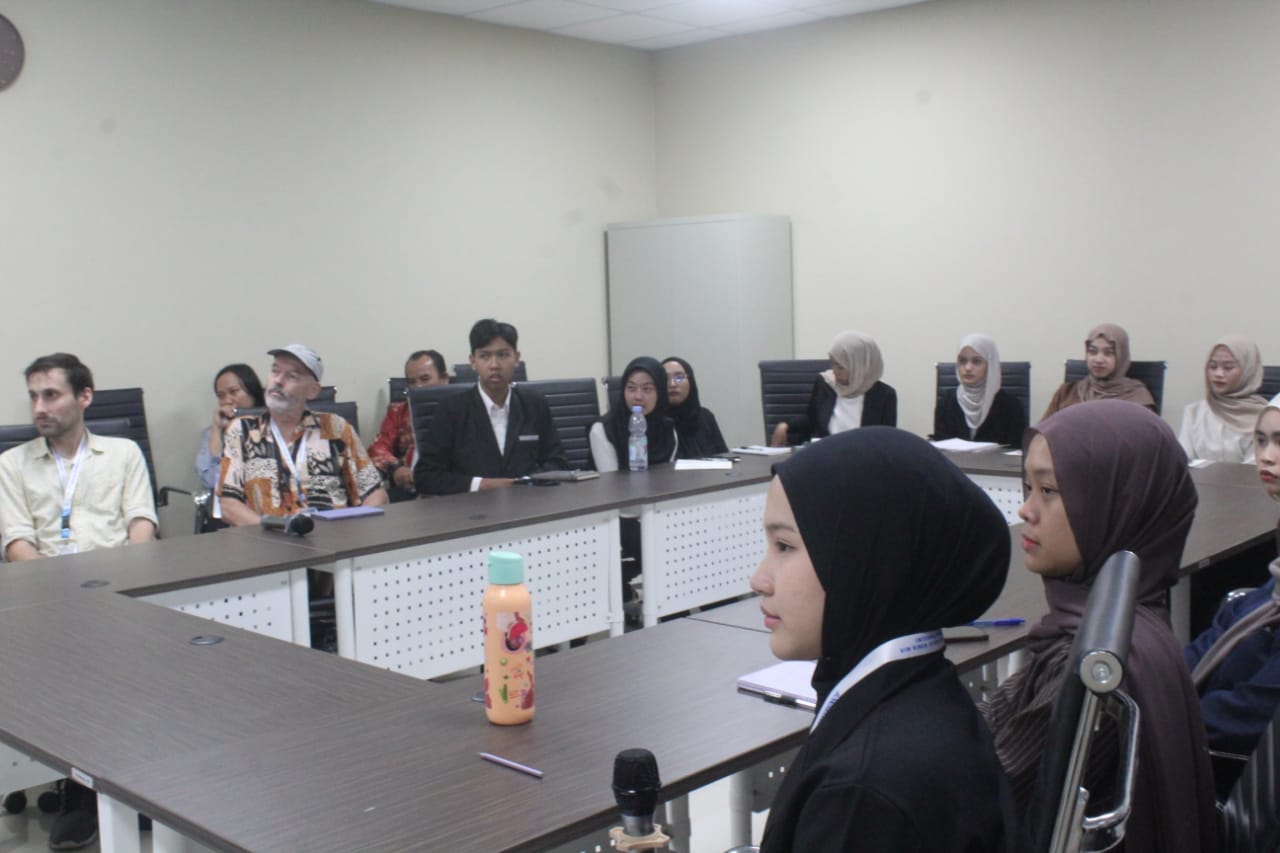
Building on the energy of the morning plenaries, the conference transitioned into hybrid parallel sessions featuring presenters from Indonesia, Japan, the Netherlands, Saudi Arabia, Vietnam, Malaysia, Bangladesh, the USA, and the Philippines. These sessions showcased a broad spectrum of research topics, including digital pedagogy, multimodal learning, corpus-based analysis, AI-assisted language instruction, and multilingual classroom practices. The hybrid format enabled seamless participation across time zones and minimized accessibility barriers, allowing both onsite and virtual presenters to share their findings with equal visibility. Interactive Q&A segments encouraged deeper academic engagement and fostered a spirit of collaborative inquiry among scholars. Participants praised the diversity of methodologies and perspectives presented, noting how the sessions reflected urgent and emerging issues in global digital education. The high quality of the research reaffirmed AsiaCALL’s reputation as a platform for rigorous and innovative scholarship. This segment demonstrated UIN Siber Syekh Nurjati Cirebon’s strong capacity to host inclusive, research-driven international academic events.
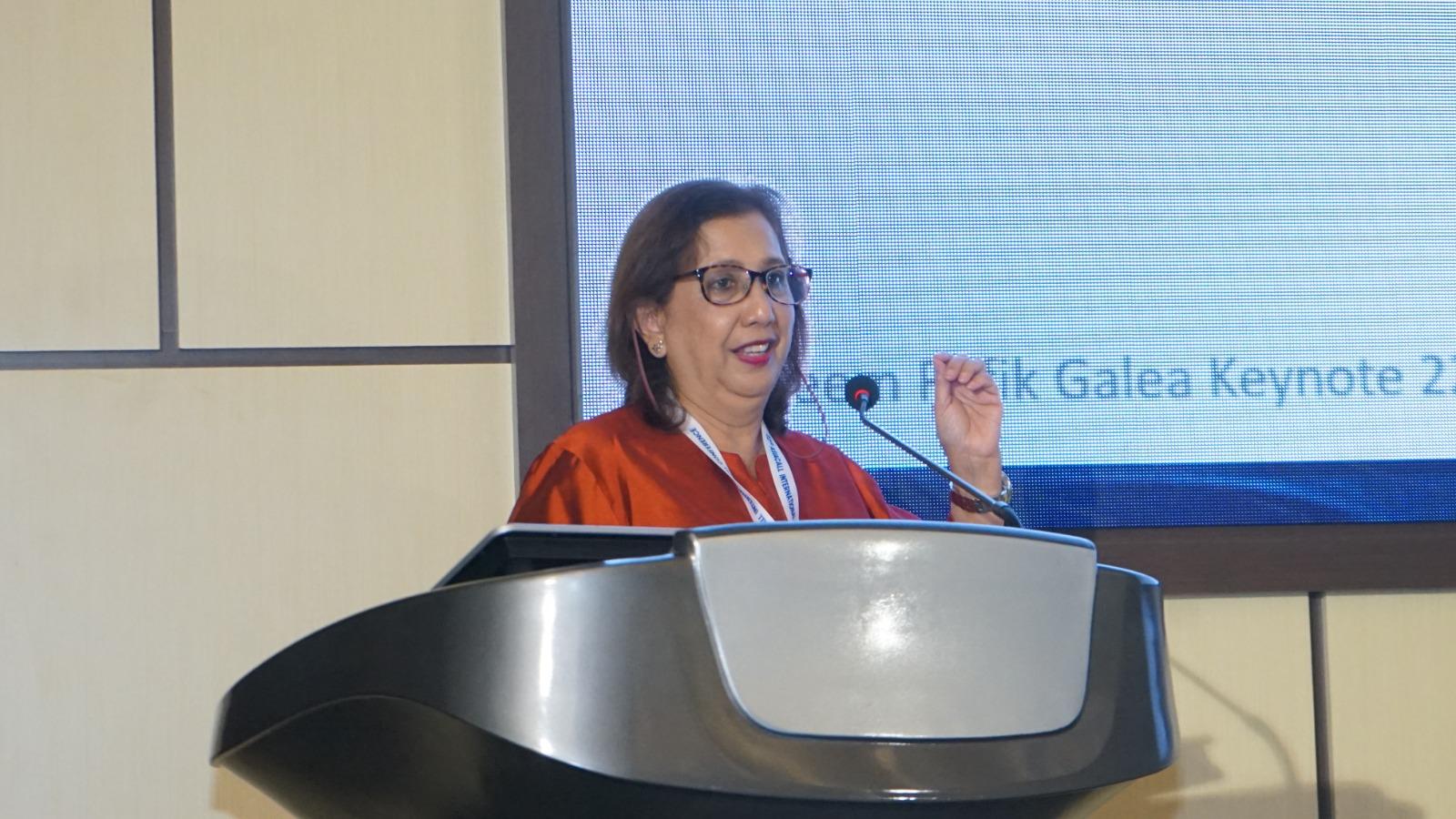
The keynote session continued with the presentation delivered by Professor Shameem Rafik-Galea, Ph.D., of SEGi University, Malaysia. Her presentation, “Ready or Not? English Language Instructors’ Readiness for AI-Enhanced Tasks and Materials Design,” critically examined teacher preparedness amid the rapid growth of AI-based educational tools. She argued for more comprehensive professional development initiatives to support instructors adapting to AI-supported learning environments. Her evidence-based insights resonated particularly with participants from institutions still developing digital infrastructures and pedagogical capacities. The session inspired further discussions on curriculum redesign, institutional policies, and long-term strategies for professional upskilling. Professor Rafik-Galea’s reminder that “instructors must evolve as quickly as the tools they use” emphasized the human dimension of technological progress. Her keynote contributed significantly to the conference’s broader conversation on sustaining quality education in an AI-driven world. The dialogue established a critical framework for educators navigating the balance between innovation and effective teaching practice.
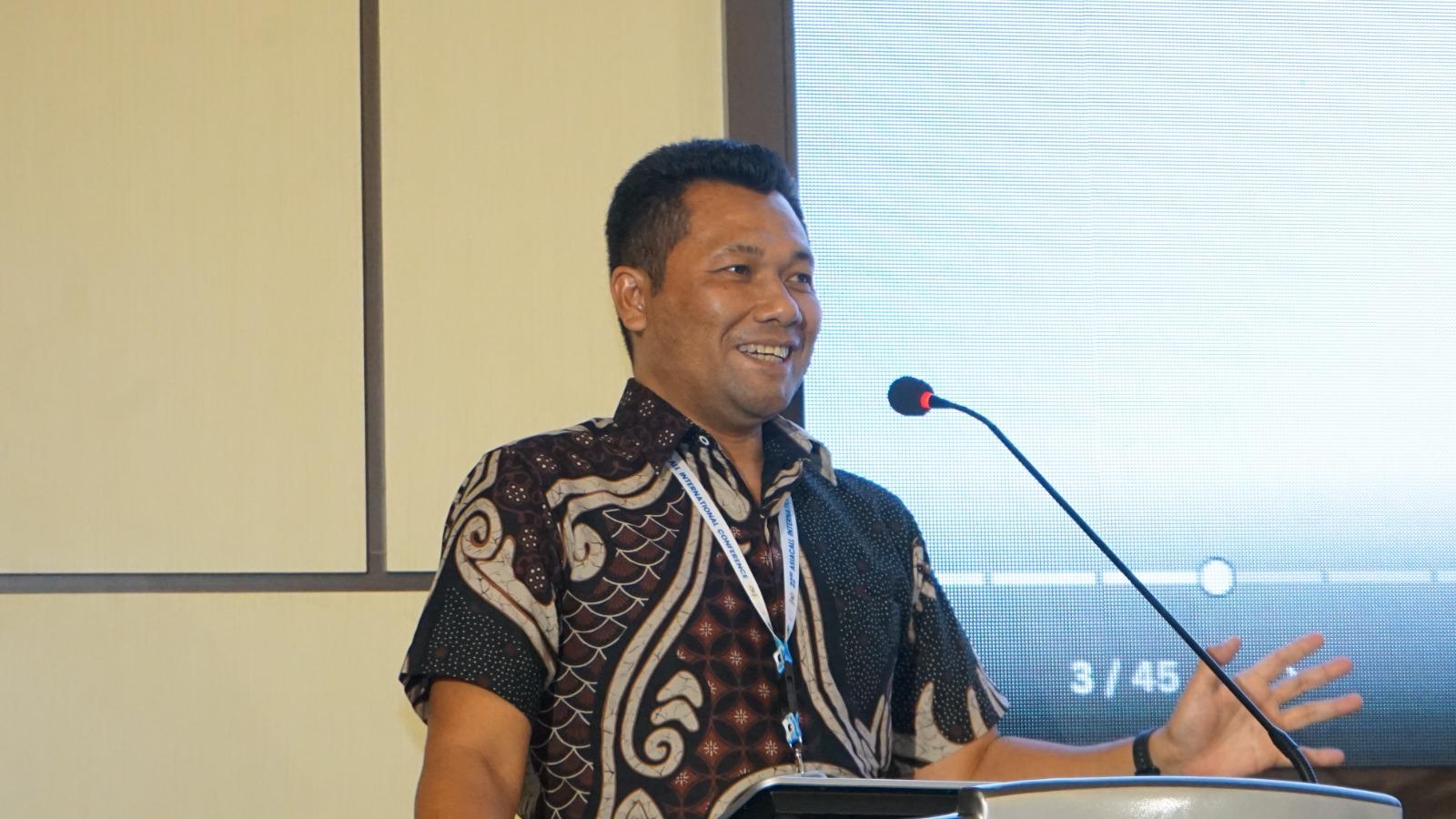
The momentum carried forward into the third keynote session delivered by Made Hery Santosa, Ph.D., from Universitas Pendidikan Ganesha, Indonesia. His presentation, “Human–AI Collaboration in English Language Education: From Algorithms to Meaningful Connections,” explored how artificial intelligence can complement, rather than replace, human creativity and empathy in language learning. He emphasized the importance of maintaining a human-centered approach even as digital tools grow more sophisticated. His balanced perspective invited attendees to reflect critically on how AI can enhance—not overshadow—authentic communication and student engagement. Participants responded enthusiastically, noting that his ideas offered concrete pathways for harmonizing technological innovation with pedagogical integrity. This session deepened discussions on the future of language education and reinforced AsiaCALL’s dedication to interdisciplinary exploration. Dr. Santosa’s insights added an essential dimension to the conference’s overarching theme of human–AI synergy in education.
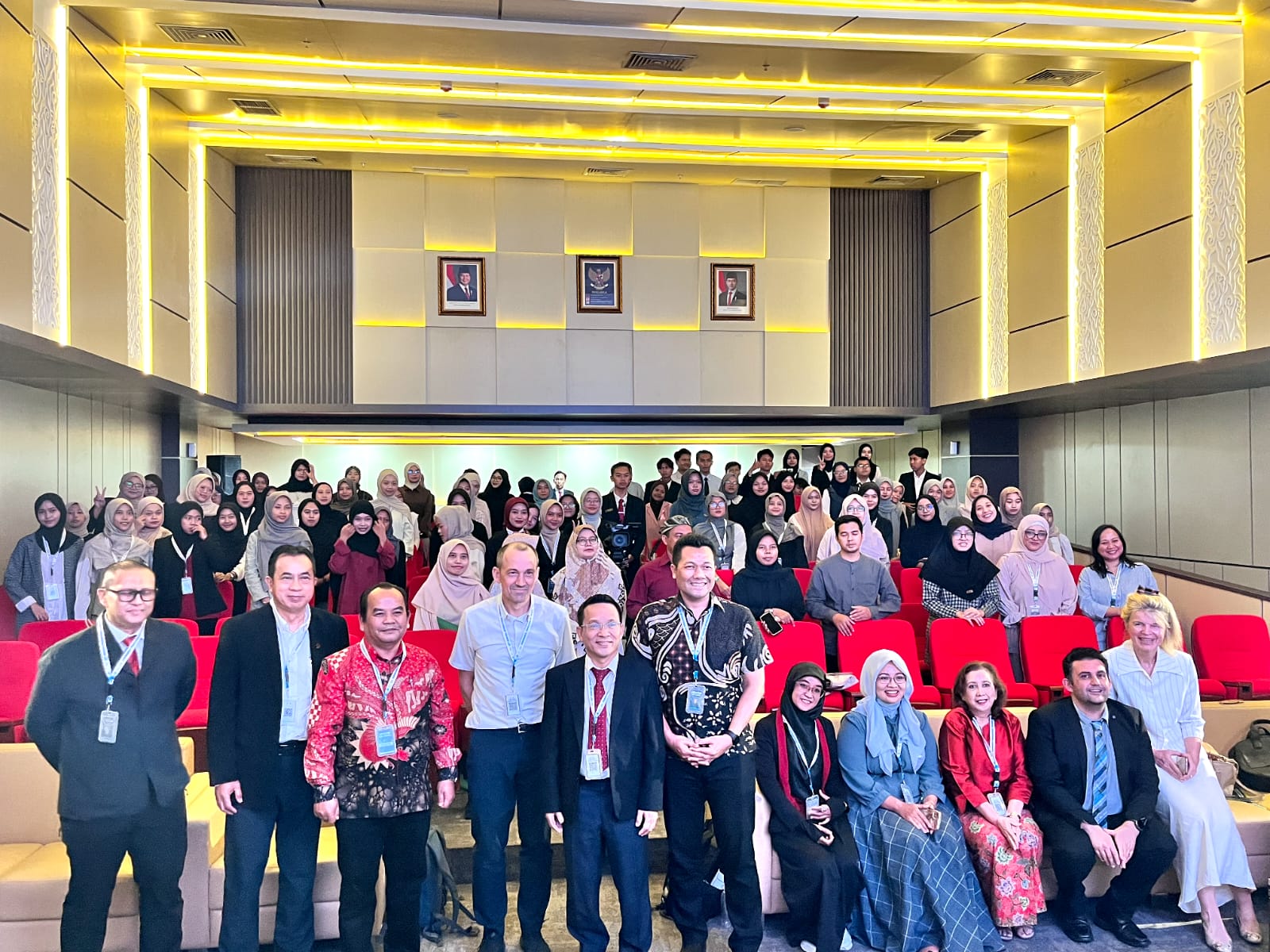
Ania Lian, Ph.D. (Vice President of AsiaCALL), Prof. Jeremy White, Ph.D., Vice President of International Relations of AsiaCALL, and Assoc. Prof. Pham Vu Phi Ho, Ph.D., Vice President for Administrative Affairs and Publication of AsiaCALL, were among the distinguished AsiaCALL representatives who attended the conference, further strengthening the international stature of the event. Their presence underscored the strong institutional partnership between AsiaCALL and UIN Siber Syekh Nurjati Cirebon, as well as the shared commitment to advancing research in technology-enhanced language learning. Alongside these international leaders, institutional participation from UIN Siber Syekh Nurjati Cirebon was strongly represented through the attendance of lecturers from the English Language Teaching Department (ELTD). Key academic leaders—including Dra. Hj. Amroh Umaemah, M.Pd. (Head of ELTD), Hendi Hidayat, M.Pd. (Secretary of ELTD), Wakhid Nashruddin, Ph.D., Listiana Ekawati, M.Hum., and Ema Wilianti Dewi, M.Pd.—actively supported and joined the academic sessions. The event was further strengthened by the contribution of Ghina Amaliyah Sholihah, S.Sos., staff of the International Office, who ensured smooth coordination across guest services and administrative processes. Additionally, Hakim Ventura Indonesia, together with teachers and university lecturers from various regions across Indonesia, enriched the conference with diverse professional insights. Hundreds of ELTD students also participated enthusiastically, bringing vibrant academic energy and demonstrating the university’s commitment to nurturing globally minded scholars.
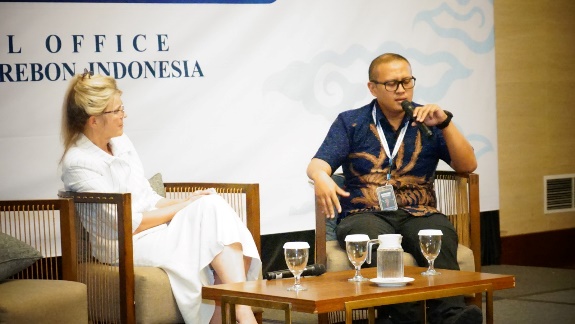
The conference concluded its first-day program at The Luxton Hotel, where participants joined a series of cultural and academic activities that enriched the overall experience. Traditional tari topeng and tari sintren performances celebrated Cirebon’s local arts and strengthened the cultural immersion of international attendees. The evening continued with the official launch of “Multisensory CALL for Under-Resourced Universities and Schools in Indonesia,” authored by Lala Bumela Sudimantara, Ph.D., Ania Lian, Ph.D., Prof. Andrew Lian, Ph.D., and Luqman Baehaqi, Ph.D. The book represents a significant contribution to accessible digital language-learning solutions for underserved communities. The AsiaCALL discussion session that followed provided space for participants to reflect on the day’s insights and explore potential collaborative research opportunities. As the conference extends into its second day on Sunday, 16 November 2025, enthusiasm for interdisciplinary engagement remains strong among scholars and practitioners. The closing moments of the first day underscored AsiaCALL’s mission to unify culture, scholarship, and innovation in a meaningful and forward-looking academic experience.
Author: Salsabilla