
UINSSC International Office Embarks on an Ambitious Post-AsiaCALL 2025 Global Capacity-Building Initiative, Bringing Together Seven Distinguished Scholars from Greece, Australia, Malaysia, and Indonesia to Elevate Academic Excellence, Advance Internationalization, and Shape Future-Ready Education in a Program Scheduled for Late November 2025
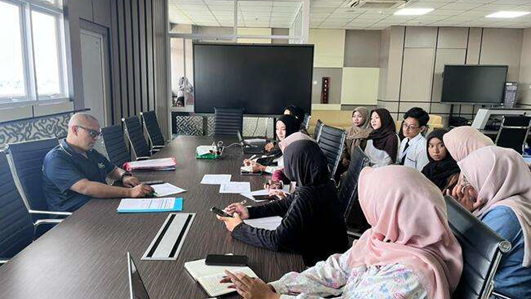
Cirebon, November, 21st 2025 — Under the leadership of Lala Bumela, Ph.D., Director of the International Office UIN Siber Syekh Nurjati Cirebon, the university is proudly embarking on a major Global Capacity-Building Program designed to strengthen the competencies, confidence, and global experience of the Global Engagement Team (GET) as the strategic force behind the institution’s internationalization. This post-AsiaCALL initiative was formally discussed in an internal coordination meeting, which reviewed and evaluated the comprehensive post-AsiaCALL conference report, alongside agenda updates on preparations for international student services—including AIA Assurance medical insurance support—and the structural development plan for the upcoming capacity-building program scheduled for late November 2025. The program will bring together seven influential speakers from four countries, including Alexander N. Christakis, Ph.D. (Greece), founder of the Institute for 21st Century Agoras and co-creator of Structured Dialogic Design (SDD); Rudolf Wirawan, Ph.D. (Australia), architect of the BIMA Framework; Ivan Chabibilah, M.A. (Malaysia), International Cultural Communication Centre; Bapak Sukad (Indonesia), cultural guardian of the Sagarahiang Sacred Landscape; Syarifuddin, S.S. (Indonesia), public servant in ecological and ethical policy innovation; Didin Misbahudin, S.Hum. (Niskala Institute, Bandung); and Luqman Baehaqi, Ph.D. (UIN Palangka Raya, Indonesia). In reflecting on the initiative, Lala Bumela, Ph.D. emphasized, “Capacity building is not merely an activity—it is an investment in people, and our Global Engagement Team deserves every opportunity to grow as internationally-minded institutional ambassadors who carry the vision of UINSSC toward global standing.”
The planning and execution of a program of this magnitude is no easy undertaking. The International Office is currently navigating tight schedules, multi-institutional coordination, and logistical challenges across four countries while simultaneously handling international student administration and post-conference obligations after the 22nd AsiaCALL 2025 event. The pressure is heightened by increasing expectations for transparent performance reporting and the growing demand to improve international services aligned with global university standards.
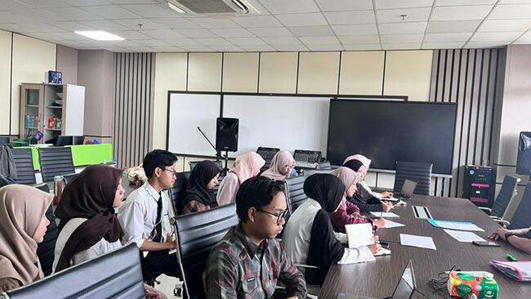
In response to these emerging complexities, Lala Bumela, Ph.D. emphasized that capacity building is not simply a formality or ceremonial training, but a strategic responsibility that shapes the future of the institution. “The Global Engagement Team is the heart of our internationalization movement, and this program is an investment in their ability to negotiate, serve, innovate, and represent UINSSC with global dignity. We are preparing leaders who will not only work in systems, but redesign systems for Indonesia Emas 2045,” stated Lala Bumela, Ph.D.
The November Capacity-Building agenda integrates interdisciplinary knowledge, experiential learning, and philosophical frameworks addressing real-world educational and cultural challenges. Participants will engage deeply with structured dialogic design methodologies, spiral ontology, indigenous wisdom frameworks, and relational governance practices designed to build sustainable and ethically grounded academic culture. The program also aligns with the university’s commitment to developing an inclusive service ecosystem for international students, where institutional readiness, cultural intelligence, and accountable public service are paramount.
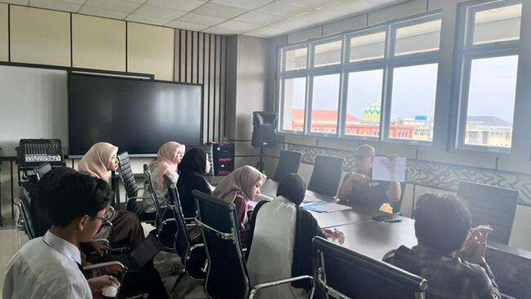
The International Office believes that this initiative will significantly strengthen cross-border partnership networks, academic diplomacy, transnational collaboration, and team-based strategic leadership. By equipping GET members with international competency frameworks and multidimensional perspectives, the university aims to accelerate its transformation into a globally recognized and future-ready higher education institution, providing a foundation for long-term institutional sustainability and impactful global engagement.
Ultimately, this program stands as a testament to the university’s commitment to cultivating meaningful academic transformation driven by integrity, collaboration, and vision. It reflects the belief that internationalization is not merely branding, but a transformative journey requiring courage, discipline, and intellectual humility. “We are not creating followers—we are shaping architects of the future. The world does not wait, and Indonesia must lead with wisdom, innovation, and courage,” concluded Lala Bumela, Ph.D.
Author: Muhammad Azkiya Bahtsulkhoir