
Virtual Coordination Meeting Between UIN SSC and ICCCM Malaysia Focuses on Preparing FDKI Students for Research and Internship Training in Kuala Lumpur
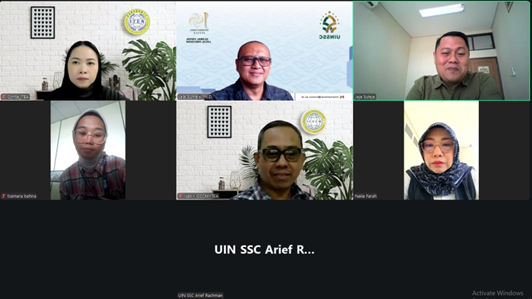
Cirebon, September 24th 2025 — Under the leadership of Lala Bumela (Director of the International Office and Partnership of Universitas Islam Negeri Siber Syekh Nurjati Cirebon), a high-level virtual coordination meeting was convened to comprehensively prepare students of the Faculty of Da’wah and Communication (FDKI) of UIN SSC for an upcoming research and internship training program at the International Cultural Communication Center Malaysia (ICCCM) in Kuala Lumpur. This online session not only served as a technical briefing but also as a platform for aligning academic objectives, internship expectations, and intercultural learning outcomes between the two institutions. Attending the meeting were Ivan Chabibilah, S.S., M.Li. and his team from ICCCM, as well as key representatives from FDKI UIN SSC including Dr. Naila Farah, M.Ag. (Dean of the Faculty of Da’wah and Communication), Dr. Jaja (Lecturer in Islamic Communication and Broadcasting), and Dr. Arief Rachman, M.Si. (Head of the Islamic Communication and Broadcasting Program). “This virtual coordination is a vital platform to ensure that every stage of preparation for our FDKI students heading to Malaysia runs smoothly and meets both academic and professional standards,” said Lala Bumela.
The meeting opened with a detailed presentation from ICCCM Malaysia outlining the full scope of the research modules, field projects, and internship training opportunities available to the students. The ICCCM team shared case studies of previous international cohorts, examples of intercultural communication initiatives in Malaysia, and logistical arrangements that would be offered to ensure students’ safety and learning effectiveness. By walking through the modules and timelines, ICCCM aimed to help UIN SSC calibrate its own academic requirements with the internship activities so that the students’ experiences abroad directly contribute to their coursework and eventual graduation.
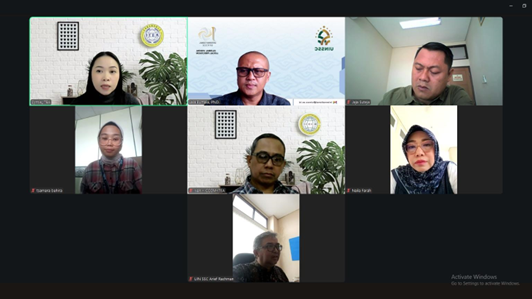
Lala Bumela used this opportunity to highlight the strategic importance of the program within UIN SSC’s internationalization agenda. He emphasized that research and internship training abroad are no longer optional but essential for preparing students to thrive in a rapidly globalizing academic and professional landscape. “We want our FDKI students to not only gain practical skills but also to develop a deeper understanding of how Islamic communication, broadcasting, and community engagement are implemented in different cultural contexts. This collaboration with ICCCM provides them with a unique, hands-on experience that they simply cannot get from textbooks alone,” he remarked.
The academic leaders from FDKI also contributed significantly to the discussion. Dr. Naila Farah elaborated on the faculty’s preparedness, noting that adjustments have been made to the academic calendar and credit load to ensure students can participate fully without delaying their progress toward graduation. Dr. Jaja and Dr. Arief Rachman added insights on how the students’ field research findings could be integrated into their thesis work or final projects, thereby reinforcing a strong link between classroom learning and field practice. Their input underscored FDKI’s commitment to providing institutional support before, during, and after the internship program.
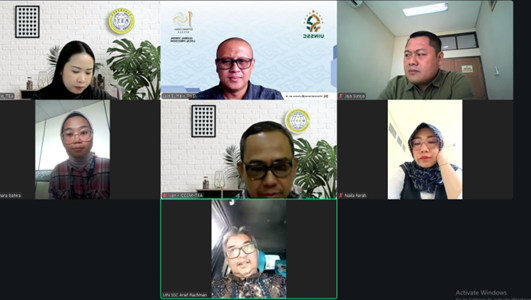
Another major focus of the meeting was the administrative and logistical preparation required for sending students abroad. Both UIN SSC and ICCCM Malaysia agreed on a joint timeline for finalizing student dossiers, arranging visa documentation, and scheduling pre-departure orientation sessions. ICCCM confirmed that once the students arrive in Kuala Lumpur, they will have access to on-site mentors, cultural immersion activities, and regular check-ins to monitor their progress. These measures are designed not only to minimize potential challenges but also to ensure that students feel supported and engaged throughout the entire program.
Concluding the session, Lala Bumela reaffirmed UIN SSC’s dedication to forging and sustaining meaningful international partnerships. He stressed that collaborations like this are central to UIN SSC’s vision of becoming a globally connected cyber university with a strong multicultural ethos. “This collaboration with ICCCM Malaysia is not a one-time program but part of a broader, long-term strategy to elevate our students’ global competencies, enhance UIN SSC’s international reputation, and establish enduring academic linkages between our institutions. By aligning our efforts now, we are laying the groundwork for many more successful exchanges in the years to come,” he concluded.
Author: Muhammad Azkiya Bahtsulkhoir