
WoW Malaysia Presents Strategic MoU Proposal and Platform Procedures to UIN SSC to Build a Global Digital Talent and Gig Economy Ecosystem
Cirebon, March 9, 2026 — The Memorandum of Understanding (MoU) ceremony between UIN Siber Syekh Nurjati Cirebon (UIN SSC) and We One Work (WoW), Malaysia, entered its central session with the presentation of the MoU proposal and an introduction to the operational procedures of the WoW platform. The presentation was delivered by Amir Haziq Hafiz, BSc (Hons) Content (Chief Technology Co-Founder/Director), who provided a comprehensive explanation of the platform’s vision and its practical implementation within the university environment. This session served as the highlight of the event, where participants gained a deeper understanding of how WoW could be integrated into academic and professional development for students. Amir Haziq Hafiz began his presentation by addressing a common challenge faced by many university graduates today. He noted that a significant number of graduates still struggle to secure employment or meaningful internships after completing their studies. In many cases, graduates experience skill mismatch, where their academic background does not align with the jobs they eventually pursue.
During the presentation, Amir Haziq Hafiz illustrated how the WoW platform seeks to respond to these challenges by offering freelance opportunities that allow students to gain practical experience while they are still studying. According to him, the gig economy has opened new pathways for students to develop relevant skills and build professional portfolios earlier in their academic journey. He emphasized that many graduates often feel uncertain about their career direction after finishing university. WoW therefore aims to bridge the gap between academic learning and real-world professional demands. By connecting students with remote freelance opportunities, the platform helps them gain exposure to actual work environments. In doing so, WoW also contributes to reducing the problem of skill mismatch that frequently occurs in the labor market.
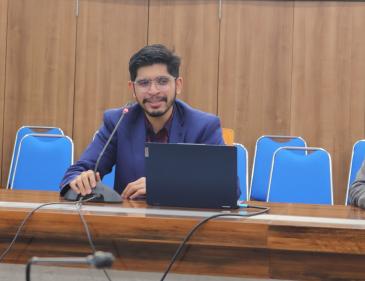
To further illustrate the opportunities within the global digital workforce, Amir Haziq Hafiz shared examples of international trends in remote employment. He explained that many global institutions and organizations are increasingly outsourcing digital tasks and offering remote-based internship programs. As an example, he mentioned that organizations such as UNICEF have introduced home-based internship programs that can offer substantial financial incentives, reaching approximately IDR 28 million. Such opportunities demonstrate the growing demand for digitally skilled talents who can work remotely from anywhere in the world. For university students, these opportunities represent a promising pathway to gain international exposure. According to him, platforms such as WoW are designed to connect students with similar opportunities in the global gig economy.
A significant part of the presentation also emphasized the crucial role of lecturers in the WoW ecosystem. Amir Haziq Hafiz explained that lecturers are considered key facilitators who will guide students in understanding and participating in the platform. For that reason, WoW prioritizes ensuring that lecturers first gain a comprehensive understanding of how the platform operates. Once lecturers become familiar with the system, they can then introduce it to their students and encourage them to participate. Lecturers are also expected to help build students’ confidence in completing digital tasks and remote projects. To avoid misunderstanding or misinformation about the platform, WoW plans to provide a dedicated session specifically for lecturers.
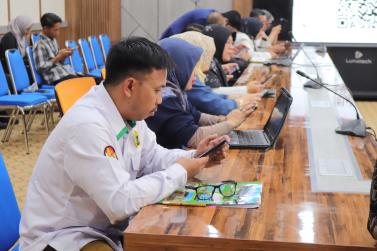
During the practical demonstration, Amir Haziq Hafiz guided the lecturers who attended the MoU ceremony through the registration process on the WoW platform. He explained that registration requires a referral code provided by the WoW administrators. This referral system is designed to maintain a structured mentoring network between lecturers and students within the platform. After completing the registration process, lecturers will receive their referral codes, which they can then distribute to their students. Students will not be able to register on the platform without this code, ensuring that their participation remains connected to their academic mentors. “In order for this plan to run sustainably, lecturers must actively participate in the process,” he emphasized during the session.
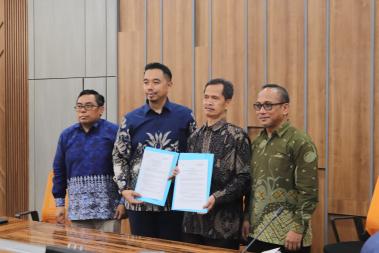
In addition, Amir Haziq Hafiz explained the pricing structure and products available within the WoW platform. The first service is Digital Services, which offers free registration and allows students to gain valuable work experience that can strengthen their resumes before graduation. The platform also provides an optional AI Skill Test costing US$1.00 per test, consisting of ten questions with a minimum passing score of five out of ten. The assessment includes three levels (Beginner, Intermediate, and Advanced) with a cumulative passing score of fifty out of one hundred, and high-performing participants may be selected for the International Remote Internship Program. WoW also introduces two main products within its ecosystem: WoW Job, where lecturers can act as mentors and receive a five percent profit share, and WoW Test, where lecturers receive fifteen percent of the revenue generated through the testing program. At the conclusion of the presentation, representatives of UIN SSC expressed their positive response to the initiative, and the session concluded with the official signing of the MoU by both parties followed by a documentation session to commemorate the partnership.
Author: Salsabilla